Why Castro Valley Appeals To East Bay Quiet Seekers
Looking for an East Bay community that feels connected without feeling crowded? Castro Valley often stands out for exactly that reason. If you want a quieter home base with everyday conveniences, outdoor access, and regional transit, this guide will show you why Castro Valley continues to appeal to East Bay quiet seekers. Let’s dive in.
One reason Castro Valley appeals to buyers is that it feels established and substantial without reading like a dense, downtown-centered city. According to the U.S. Census Bureau, the Castro Valley CDP had a population of 66,441 in 2020, and Alameda County notes that USPS now recognizes Castro Valley as the official place name for unincorporated addresses there. You can see that county update on Alameda County's address change page.
That matters because Castro Valley has a clear local identity. It is not a major urban core, and it does not try to be one. Instead, it offers a residential East Bay setting with its own rhythm, which can be a strong fit if you want more calm in your day-to-day routine.
Castro Valley's physical layout helps explain its quieter appeal. Alameda County housing planning materials describe sloping hills, flatter residential areas, undeveloped hillsides, canyons, and some remaining agricultural sites. That mix creates a landscape that feels more varied and less uniform than many suburban communities.
The county's general plan also explains that the flatter bowl area was largely built out by the mid-1980s, while hillside subdivisions and planned communities expanded the housing mix over time. If you want to explore that planning context, the details are in the Castro Valley General Plan and the county's housing element materials.
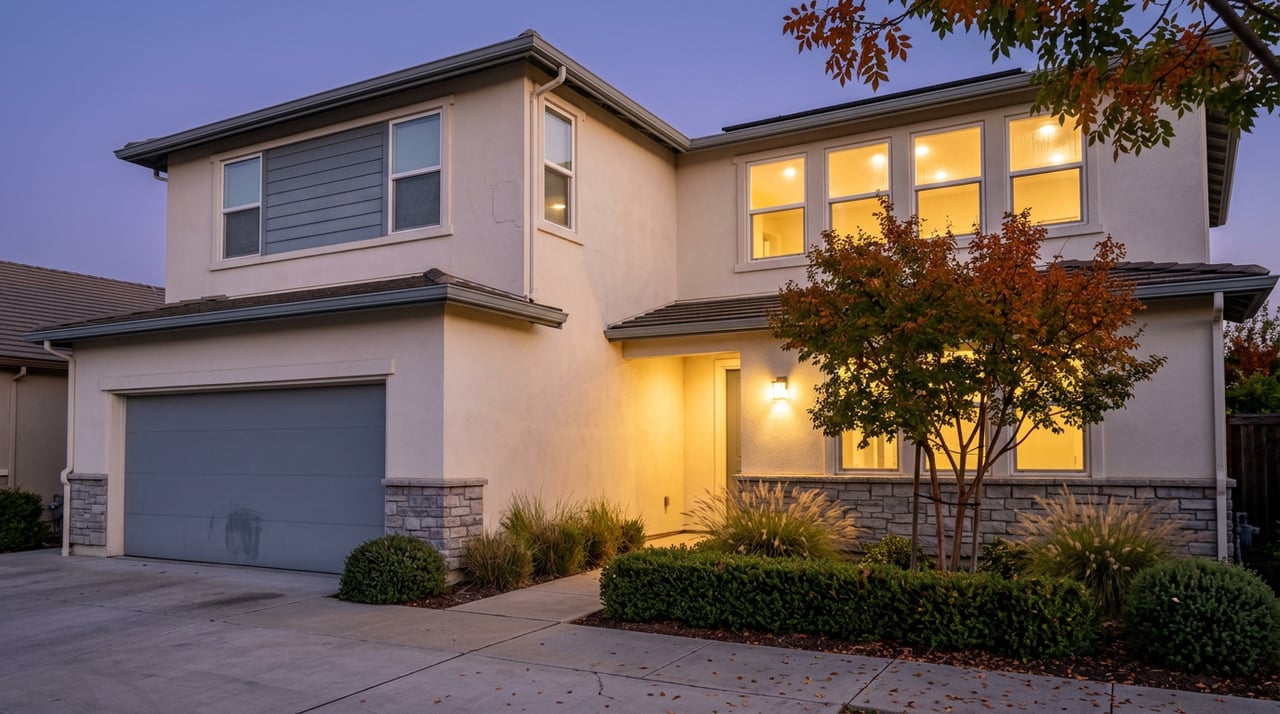
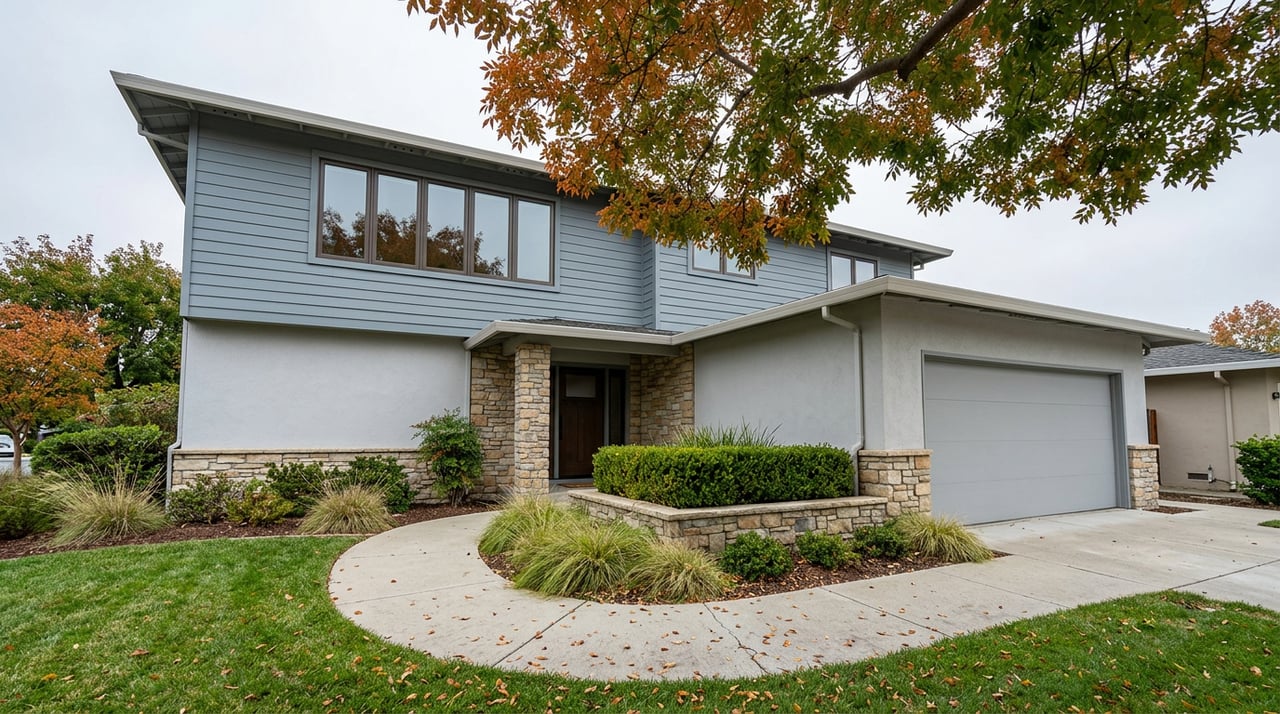
If you picture one consistent tract-home pattern, Castro Valley may surprise you. County planning documents point to a mix of detached homes, hillside properties, planned communities like Palomares Hills and Five Canyons, and some townhome or small-lot infill near the core.
That variety can be helpful if your idea of "quiet" is personal. For some buyers, it means a hillside setting or a home with a more tucked-away feel. For others, it means staying near everyday errands while still living in a community that is primarily residential.
For many people, the real draw of Castro Valley is how easy it is to spend time outdoors without driving far. Lake Chabot Regional Park includes a 315-acre lake, more than 20 miles of hiking trails, and links to additional trails in neighboring Anthony Chabot Regional Park.
That is not a small amenity. It gives residents access to lake views, walking routes, and trail time that can become part of a normal weekend, or even a weekday routine.
Quiet seekers often want more than just a peaceful street. They also want places nearby where they can reset. Lake Chabot delivers that kind of practical lifestyle value with its combination of water, trails, and open space.
Rather than depending on one busy entertainment district, Castro Valley offers an outdoor anchor that supports a lower-key pace. For many buyers, that is a major part of the appeal.
Castro Valley's outdoor access is broader than one signature destination. Anthony Chabot Regional Park includes the East Bay Skyline National Trail, which runs 31 miles through the East Bay hills from Richmond to Castro Valley.
Nearby recreation options expand that network even more. Don Castro Regional Recreation Area is described by East Bay Parks as a 101-acre urban oasis on the Hayward and Castro Valley boundary, with access to the Bay Area Ridge Trail, the Chabot-to-Garin trail, and more than five miles of trails in Five Canyons Open Space.
Taken together, these resources support a lifestyle built around walks, hikes, picnic areas, and open space close to home. If your ideal week includes more trail time and less constant activity, Castro Valley checks that box well.
Another reason Castro Valley appeals to people who prefer a calmer pace is its town center pattern. Alameda County's Castro Valley Central Business District Specific Plan focuses on creating a pedestrian-friendly shopping and restaurant area along portions of Castro Valley Boulevard and nearby side streets, including Castro Village Shopping Center.
That planning goal tells you a lot about the community. Castro Valley has a compact commercial core for dining, errands, and gathering, but it is not defined by a large nightlife district. For many buyers, that balance is a plus.
A good example is Castro Valley Marketplace, which BARTable described as a fresh food hub and community space with restaurants and shops. County planning feedback also noted that the Marketplace offers human-scale shops, restaurants, and unique local destinations.
In practical terms, that means you can enjoy neighborhood-serving businesses and casual meet-up spots without the pressure of a high-intensity urban scene. It supports a lifestyle that feels social and convenient, but still grounded.
A quieter home base can work even better when it still offers regional access. Castro Valley Station sits on BART's Dublin/Pleasanton to Daly City line and is also served by AC Transit. BART notes station parking, bike parking, and BikeLink lockers as well.
That setup makes Castro Valley appealing if you want options. You can enjoy a more residential setting while staying connected to the wider East Bay and San Francisco job market. For many buyers, that combination is hard to find in one place.
When you put the pieces together, Castro Valley's appeal becomes easier to see. It offers a clear local identity, a primarily residential setting, varied home types, broad outdoor access, a compact commercial center, and practical transit connections.
Just as important, those features work together. The parks reinforce the calmer setting. The low-key business district supports everyday convenience. The transit access helps you stay connected without giving up the quieter routine you want at home.
If you are comparing East Bay communities and want help thinking through lifestyle fit, home options, and local market context, Refined Real Estate can help you take the next step with clarity and confidence.

Refined Real Estate intends to make your next home purchase or sale successful and stress-free. Regardless of your goals, our team is committed to guiding you through the home buying and selling processes with honesty, integrity, and clarity.
We’re expert communicators, negotiators, and marketers, but above all, we’re down-to-earth professionals. As Bay Area natives and Central Valley residents, we know the ins and outs of every neighborhood, county, and district as only locals can. Leveraging our expert knowledge, expansive network, and the latest industry technology, we get desirable results for you every time. With many of our new clients coming from referrals and our past clients continuing to utilize our services, our results speak for themselves.
Our Tri-Valley and Mountain House Realtors work to cultivate a lifelong business relationship with you, so we ensure you know that our service goes beyond the transaction. Your calls and emails will never go unanswered, and we’ll never overpromise or underdeliver.
Stay up to date on the latest real estate trends.

Discover where local families go for trick-or-treating, Halloween decorations, full-size candy bars and community events in Mountain House.
The Refined Real Estate team offers unparalleled expertise to the Mountain House market, with 58 years of combined experience and over $250 million in sales. As true Mountain House real estate experts, we pride ourselves on a deep understanding of the local community and market trends. Our proven track record reflects our dedication to helping clients find not just a house, but a home. When you work with us, you’re choosing a team committed to your success and satisfaction every step of the way.