Planning A Move-Up Purchase In Mountain House
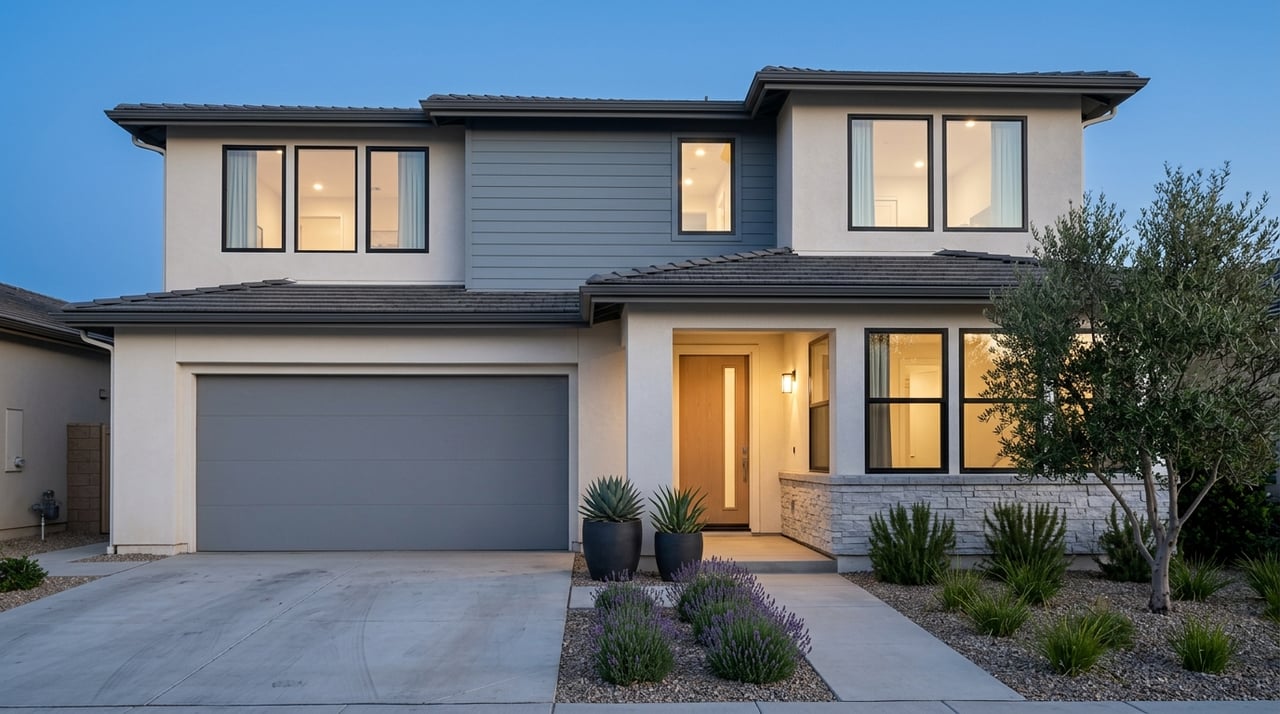
If your current home no longer fits the way you live, you are not alone. Many Mountain House owners reach a point where they want more space, a different layout, or a better long-term fit, but the idea of buying and selling at the same time can feel complicated fast. The good news is that a smart move-up plan usually comes down to timing, budget clarity, and local coordination. Let’s dive in.
Mountain House is not just another suburb with a few resale options. The city describes itself as a long-range master-planned community with about 12 neighborhoods, roughly 44,000 residents, 16,000 dwelling units, and about 21,000 jobs at full buildout. That structure shapes how you plan a move because schools, parks, and community rules are part of daily life here.
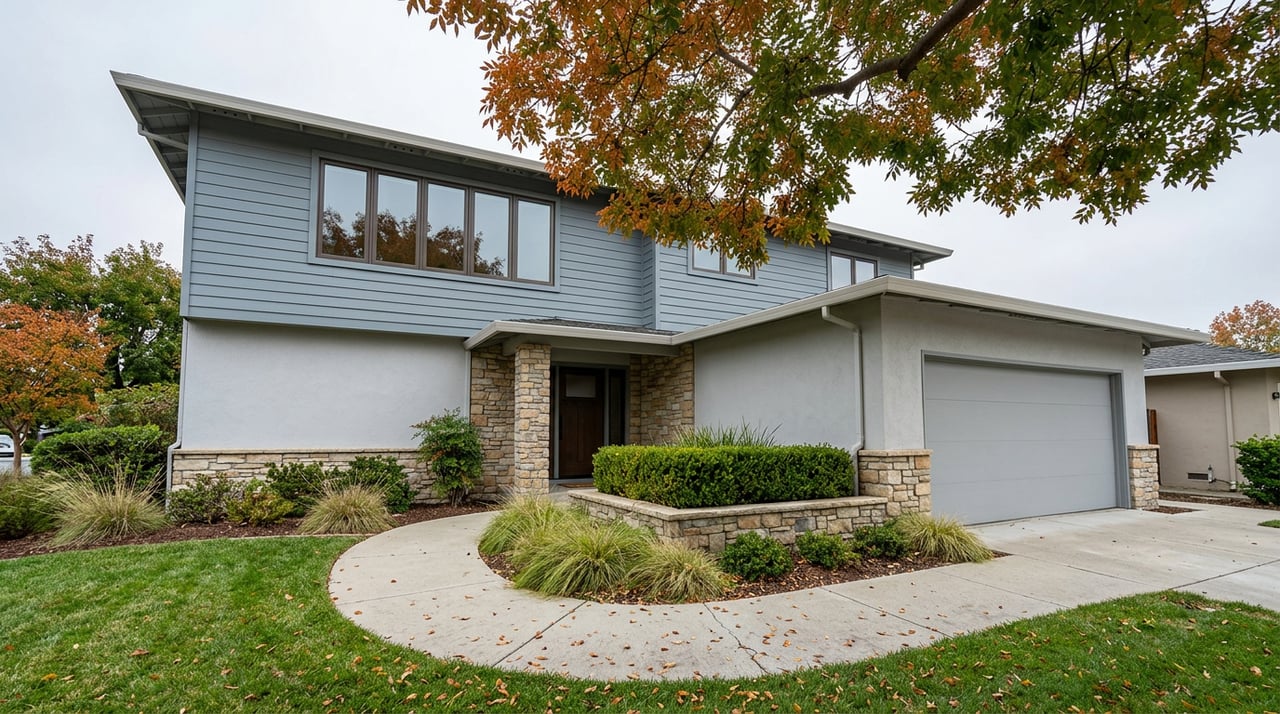
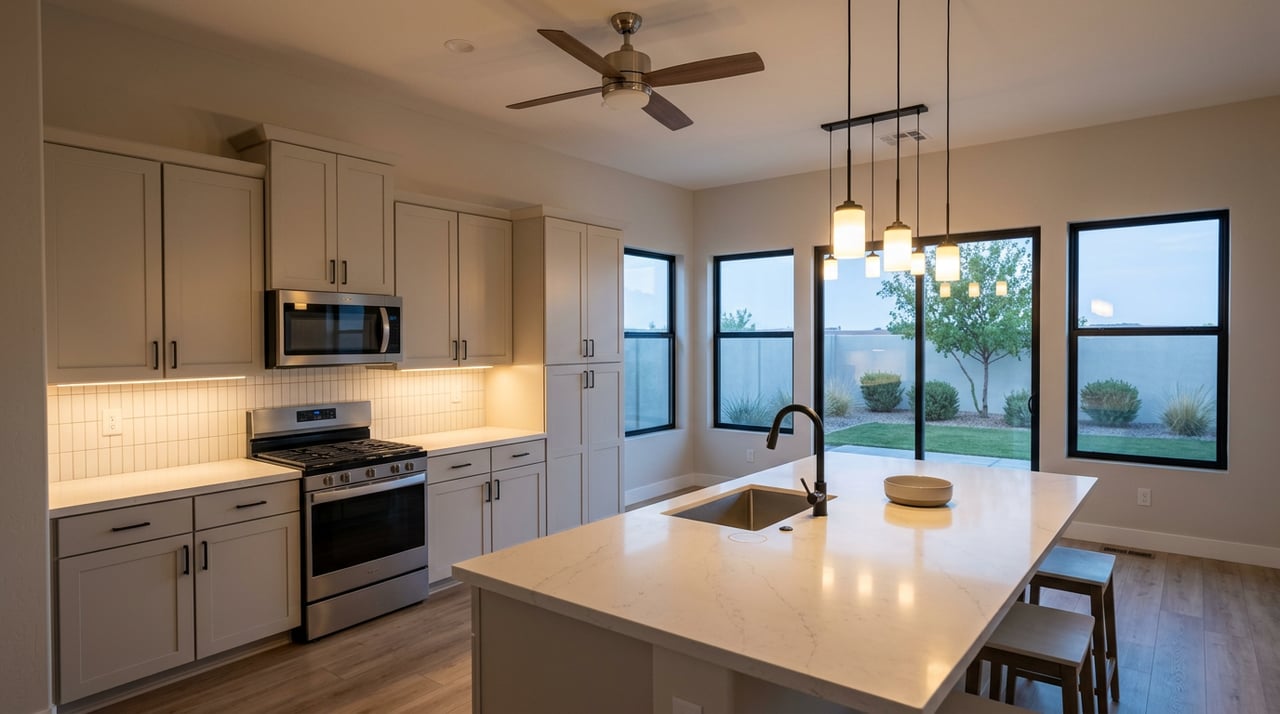
For many local households, a move-up purchase is less about making a dramatic leap and more about making a better fit. You may want an extra bedroom, a larger yard, a more functional floor plan, or a newer home with less immediate maintenance. In Mountain House, those goals often connect directly to school attendance, village preferences, and the timing of available inventory.
A move-up purchase starts with one simple truth: you are both a seller and a buyer. That means you need to look at Mountain House through two lenses at once instead of focusing on one headline number.
Redfin reported a March 2026 median sale price of $735,000 with 22 days on market. Realtor.com’s current listing snapshot shows a median list price of $819,000, 47 days on market, and 219 active listings. These numbers are not conflicting. They are measuring different parts of the market at different times, which is why sold data and active-listing data both matter.
For you, that means your current home’s likely sale price is only half the equation. You also need to know what your next-home options look like right now, how long they may sit, and whether your target price range has enough inventory to support your plan.
Equity can help you move up, but it does not automatically make the next home comfortable. You still need to test the full monthly payment and the total cash needed to close.
A practical starting point is to estimate how much equity you may unlock from your current home after selling costs. Then compare that number to the down payment you want to make, your closing costs, and the cash cushion you want left over. Sale proceeds should not be treated as down-payment money only. You may also need funds for moving, repairs, insurance, taxes, HOA dues, and home updates.
Mortgage rates also matter here. As of April 30, 2026, Freddie Mac’s average for a 30-year fixed mortgage was 6.30%. Even if you have solid equity, a higher rate can reduce buying power and change what feels affordable from month to month.
For most move-up buyers, selling first is the cleaner path. The CFPB’s general guidance says that if you want to move, you normally try to sell your home before buying another one.
That approach can reduce financial stress because you know how much cash you actually have to work with. It also helps you avoid carrying two housing payments at once, which can get expensive quickly if your timeline shifts.
Still, sell-first does not mean stress-free. If your current home closes before your next home is ready, you may need temporary housing. That possibility is especially important to plan for if your home is expected to sell quickly or if your next purchase is a new build with a later completion date.
Sometimes a sell-first plan is not workable. You may find the right home before your current home goes on the market, or your timing may not line up with your family’s schedule.
In that situation, bridge financing is the main formal option to discuss with your lender. CFPB regulation commentary recognizes a temporary or bridge loan with a term of 12 months or less, including a loan used to buy a new dwelling while the borrower plans to sell the current home within 12 months.
This is not a strategy to enter casually. If you are considering it, your lender should help you understand qualification, payment overlap, and how much risk you are comfortable carrying if your current home takes longer to sell than expected.
If you are staying local, school planning often becomes one of the biggest move-up factors. Mountain House is served by Lammersville Joint Unified School District, and the city notes that each village has a K-8 school, along with Mountain House High School and the Mountain House Delta Community College campus.
That setup is one reason school boundaries remain a common planning issue for local families. If your move is tied to a specific attendance area or school path, verify district and attendance information directly before you buy. It is much easier to confirm early than to make assumptions during escrow.
One of the biggest mistakes move-up buyers make is assuming a newer or larger home will automatically be simpler. In Mountain House, that is not always true.
Homes here are governed by Master Restrictions and CC&Rs that can affect property maintenance, parking, home improvements, and architectural changes. If you are buying a home because you plan to add features, update the exterior, or change fencing, review those rules before you commit.
You should also build city utility and assessment items into your payment estimate. The city has noted that the pledged facilities component for water, wastewater, and stormwater may be collected on the property tax roll rather than only on the monthly utility bill. In plain terms, your true ownership cost may be higher than principal, interest, taxes, and insurance alone.
For many move-up families, this is the fork in the road. Do you buy a resale home that is available now, or do you wait for a new-construction opportunity?
New construction can be appealing if you want more square footage, a modern layout, or a home that may need less immediate updating. In Mountain House, Shea Homes’ Opal community is planned for 158 single-family homes ranging from about 2,409 to 3,219 square feet, and Emerald is planned for 108 single-family homes ranging from about 3,336 to 3,793 square feet. Both currently show as coming soon with no quick move-ins, which suggests you should expect lead time rather than an immediate move.
Resale homes offer a different advantage: access now. Realtor.com’s current snapshot shows 219 active listings in Mountain House, which gives buyers more immediate choices and a wider spread of pricing and home types.
Here is a simple comparison:
| Option | Main advantage | Main challenge |
|---|---|---|
| New construction | Larger or newer home options | Longer timeline and limited immediate availability |
| Resale | Immediate inventory and faster move potential | May need updates or more compromise on layout |
Some move-up buyers assume the next step has to stay in Mountain House. Others assume they must leave to get enough house for the money. In reality, it helps to compare all three paths: stay local, move to a nearby Central Valley city, or stretch toward the Tri-Valley.
Realtor.com’s current listing medians show Mountain House at $819,000, Tracy at $739,400, Lathrop at $715,999, Livermore at $1,099,000, and Pleasanton at $1,467,500. That price ladder can help you decide whether your next move is about more space, a different commute pattern, or a different budget ceiling.
If your main goal is square footage and value, nearby Central Valley options may deserve a look. If your goal is a different location profile and you are comfortable with a higher price point, Tri-Valley homes may enter the conversation. If your priority is staying rooted in Mountain House, local resale and future new construction may both be worth tracking closely.
The most successful move-up plans usually follow a clear order. In Mountain House, coordination matters as much as price.
Use this checklist to get started:
A larger down payment may improve approval odds and may reduce the interest rate, which is especially relevant when your current equity is doing most of the heavy lifting. That is one more reason to know your numbers before you start touring homes.
In Mountain House, move-up buying is rarely just about finding a bigger house. It is about matching your sale timing, financing plan, school considerations, ownership costs, and inventory options in the right order.
That is why local guidance matters. You need a plan that reflects how Mountain House actually works today, from active resale inventory to coming-soon builder communities to community rules that can affect everyday ownership. When your steps are sequenced well, the process feels more manageable and your decisions get clearer.
If you are thinking about moving up in Mountain House, Refined Real Estate can help you map out your sale, buying power, and next-home options with a strategy built around your timeline.
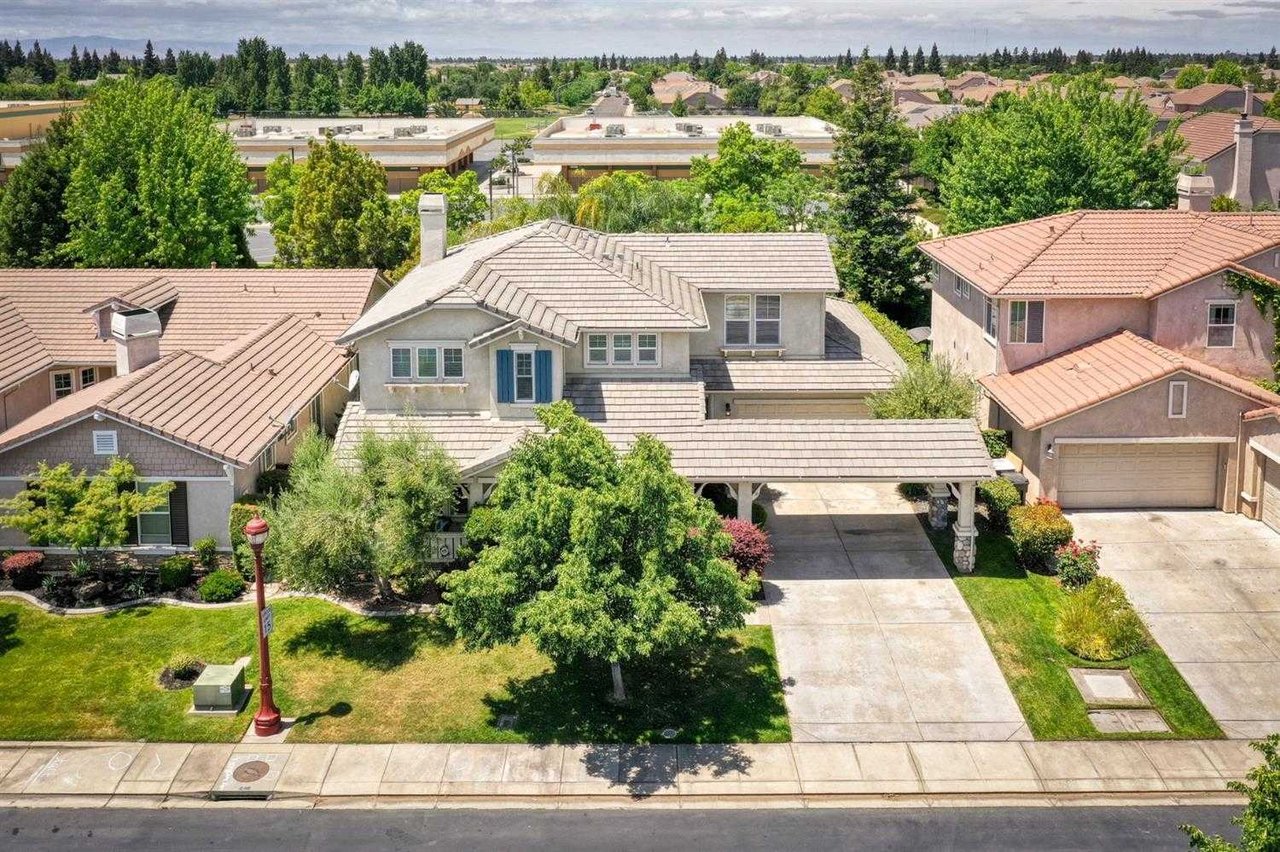

Refined Real Estate intends to make your next home purchase or sale successful and stress-free. Regardless of your goals, our team is committed to guiding you through the home buying and selling processes with honesty, integrity, and clarity.
We’re expert communicators, negotiators, and marketers, but above all, we’re down-to-earth professionals. As Bay Area natives and Central Valley residents, we know the ins and outs of every neighborhood, county, and district as only locals can. Leveraging our expert knowledge, expansive network, and the latest industry technology, we get desirable results for you every time. With many of our new clients coming from referrals and our past clients continuing to utilize our services, our results speak for themselves.
Our Tri-Valley and Mountain House Realtors work to cultivate a lifelong business relationship with you, so we ensure you know that our service goes beyond the transaction. Your calls and emails will never go unanswered, and we’ll never overpromise or underdeliver.
Stay up to date on the latest real estate trends.

Discover where local families go for trick-or-treating, Halloween decorations, full-size candy bars and community events in Mountain House.
The Refined Real Estate team offers unparalleled expertise to the Mountain House market, with 58 years of combined experience and over $250 million in sales. As true Mountain House real estate experts, we pride ourselves on a deep understanding of the local community and market trends. Our proven track record reflects our dedication to helping clients find not just a house, but a home. When you work with us, you’re choosing a team committed to your success and satisfaction every step of the way.