Move-Up Buying In Livermore Without Losing Your Mind

Juggling a sale and a purchase at the same time can feel like spinning plates. You want more space, a different layout, or a new neighborhood in Livermore, but you do not want chaos. The good news is there is a clear path if you choose the right sequence and line up your lender and logistics early. In this guide, you will learn the three core strategies to move up, how rent-backs really work, the taxes and costs to expect in Alameda County, and the timeline to keep you sane. Let’s dive in.
Livermore sits in a higher-priced pocket of the East Bay, with single-family medians in the low to mid $1 million range in early 2026. Local trends shift with seasons and inventory, which can change how competitive your offer needs to be. Regional data from the Tri‑Valley shows how small inventory changes can speed up or slow down sales. You can scan monthly trends in the Bay East Association’s reports to set realistic expectations for timing and pricing in your price band (Bay East market report).
Your sequence shapes your stress level, budget, and leverage. Here is how each path works in the Livermore area and what to watch.
Selling first removes the pressure of two mortgages and gives you a confirmed down payment. Many sellers pair this with a short post-closing occupancy, often called a rent-back, so you can move on your timeline. A written post-closing occupancy agreement should spell out rent, security deposit, insurance, and penalties for staying beyond the agreed date. Typical rent-backs are brief, often several days to about 30 days, since many loan programs require the buyer to occupy within about 60 days (Fannie Mae occupancy rules).
What to plan: book short-term storage, confirm a temporary place to stay if needed, and talk with the buyer’s lender early if you need a longer stay. If the buyer’s lender cannot allow it, you may need to adjust your timing or consider a different strategy.
Buying first lets you move once and stage your old home for a stronger sale. To access your equity, you may use a bridge loan or a home equity line of credit (HELOC). A bridge loan is short term and often higher cost, which can be worth it for speed and flexibility if you have strong equity. A HELOC is a revolving line on your current home; review how draws, variable rates, and repayment work with the CFPB’s HELOC guide.
Who it fits: you have solid credit, strong equity, and enough reserves to carry two mortgages for a short period. Ask your lender to model your debt-to-income ratio, reserves, and the effect of any bridge or HELOC on your new loan approval.
You can write an offer that is contingent on selling your current home. California contracts include standard forms for a sale-of-buyer’s-property contingency and “kick-out” or bump clauses, which let the seller accept your offer but continue to market the home. If the seller receives another acceptable offer, you get a defined period to remove your contingency or step aside. See a plain-language overview of these contingency and kick-out concepts.
When to use it: in balanced or slower segments, a well-presented contingent offer with short timelines can work. In hotter segments, non-contingent offers or offers with very short contingency windows tend to win.
Before you list or write offers, have a targeted conversation with your loan officer. A 20-minute strategy call can save you weeks of stress.
Key questions to cover:
Pro tip: get your full preapproval updated and ready before you list. If you plan to buy first, ask your lender for a clear-to-close checklist so you know every condition you must satisfy.
Understanding closing costs and taxes up front helps you price, budget, and avoid surprises.
Alameda County collects the base California documentary transfer tax, typically quoted as $1.10 per $1,000 of the sale price. Livermore does not add a separate city transfer tax the way Oakland or Berkeley do. Your escrow or title officer will calculate, collect, and remit this tax at recording. Review the current Alameda County Clerk-Recorder fee schedule for confirmation.
If you sell a primary residence and meet the ownership and use tests, you can generally exclude up to $250,000 of gain if single or $500,000 if married filing jointly. See the IRS summary of the Section 121 exclusion rules and exceptions for job change, health, or unforeseen events in the IRS guidance on the primary residence exclusion. California taxes capital gains as ordinary income, so plan for state tax if your federal exclusion does not cover the full gain. Review filing details with the California Franchise Tax Board and consult a tax professional for complex situations.
If you are over 55, have a qualifying disability, or are a wildfire victim, Proposition 19 may let you transfer your base-year property tax value to a replacement home, subject to rules and timelines. The Alameda County Assessor’s Proposition 19 page explains eligibility, applications, and deadlines. Because the details are technical, confirm your scenario with the Assessor or a tax advisor before you commit to pricing and timing.
In our region, sellers typically pay most transfer taxes and a negotiated commission. Commission structures vary and are negotiable. Ask your agent and escrow for a detailed net sheet early, and remember to keep receipts for capital improvements, which can increase your tax basis and reduce taxable gain.
The best move-up plans are simple and repeatable. Use this checklist to stay in control.
If you have ample equity and want to move once, buying first with a bridge loan or HELOC can be efficient. If you prefer financial certainty, selling first with a short rent-back usually feels calmer. If your target segment is balanced and your home will show well, a tight, well-presented contingent offer can work. Match your plan to your equity, appetite for carrying two mortgages, and the competitiveness of the neighborhood you want.
Ready to map your move-up with local guidance and polished marketing that attracts qualified buyers? Connect with Refined Real Estate for a clear strategy session or request your free home valuation.
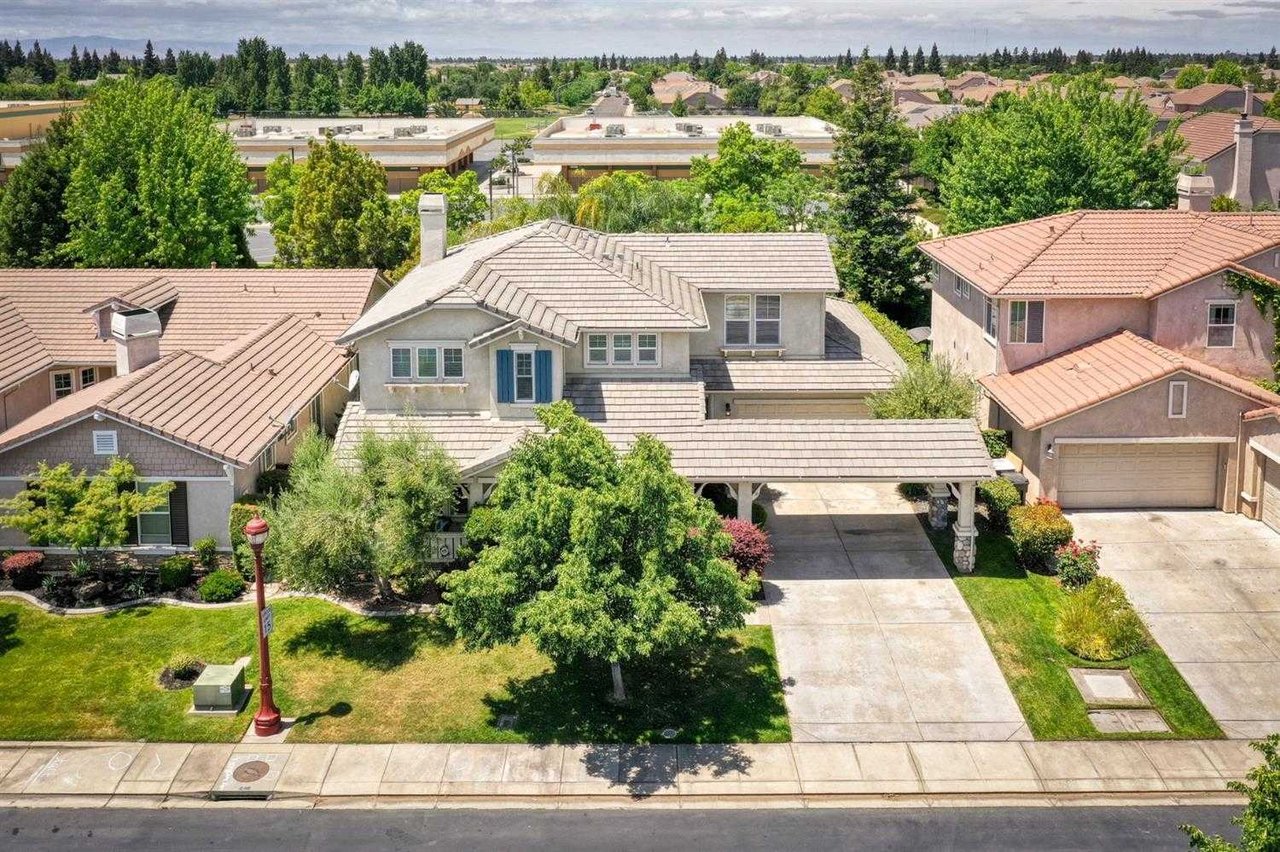

Refined Real Estate intends to make your next home purchase or sale successful and stress-free. Regardless of your goals, our team is committed to guiding you through the home buying and selling processes with honesty, integrity, and clarity.
We’re expert communicators, negotiators, and marketers, but above all, we’re down-to-earth professionals. As Bay Area natives and Central Valley residents, we know the ins and outs of every neighborhood, county, and district as only locals can. Leveraging our expert knowledge, expansive network, and the latest industry technology, we get desirable results for you every time. With many of our new clients coming from referrals and our past clients continuing to utilize our services, our results speak for themselves.
Our Tri-Valley and Mountain House Realtors work to cultivate a lifelong business relationship with you, so we ensure you know that our service goes beyond the transaction. Your calls and emails will never go unanswered, and we’ll never overpromise or underdeliver.
Stay up to date on the latest real estate trends.

Discover where local families go for trick-or-treating, Halloween decorations, full-size candy bars and community events in Mountain House.


The Refined Real Estate team offers unparalleled expertise to the Mountain House market, with 58 years of combined experience and over $250 million in sales. As true Mountain House real estate experts, we pride ourselves on a deep understanding of the local community and market trends. Our proven track record reflects our dedication to helping clients find not just a house, but a home. When you work with us, you’re choosing a team committed to your success and satisfaction every step of the way.