Creating An Entertaining-Ready Backyard In Pleasanton
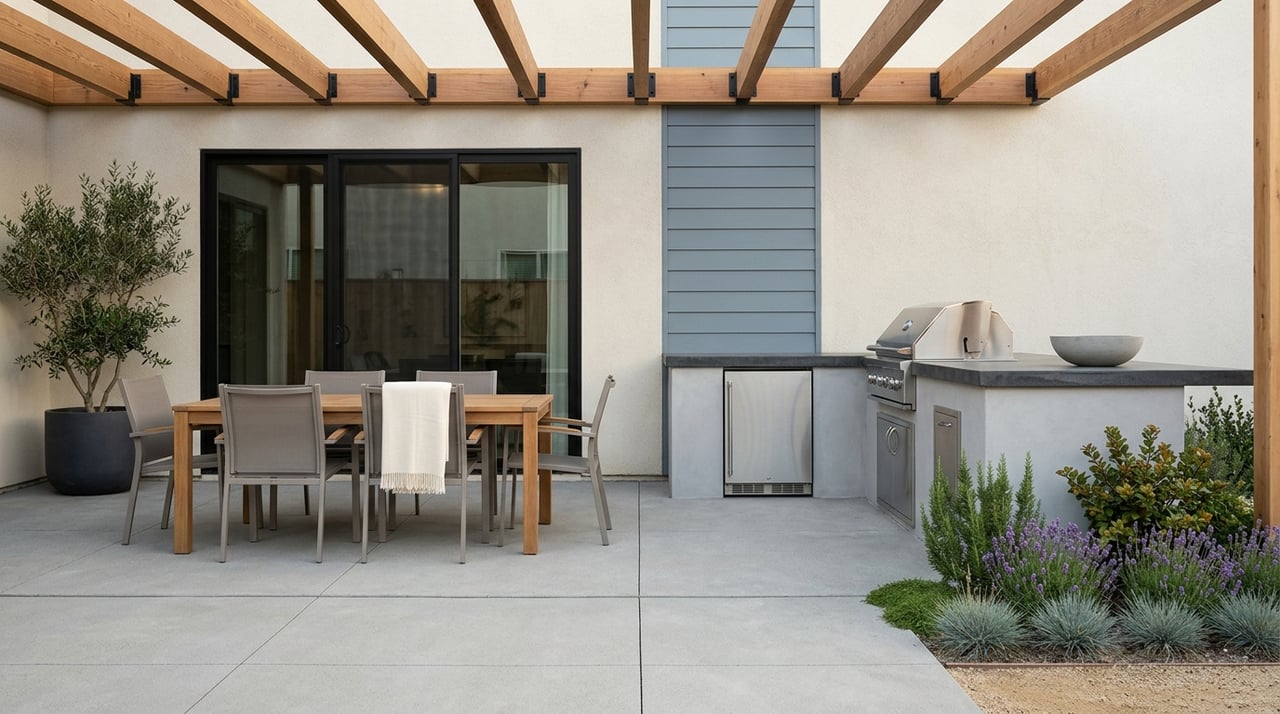
Wondering what actually makes a backyard in Pleasanton feel party-ready instead of just nice to look at? In this area, the answer usually starts with comfort. With dry summers, about 15 inches of annual rainfall, and July average highs near 89°F, your outdoor space needs more than a patio and a grill to work well day to day. If you are planning updates for your own enjoyment or thinking ahead to resale, this guide will walk you through the backyard features that make the most sense in Pleasanton. Let’s dive in.
Pleasanton gives you a long outdoor season, which is a big advantage for entertaining. But local climate data also shows why exposed backyards can sit unused during the hottest parts of summer, especially when temperatures hover near 100°F in warmer stretches. According to City of Pleasanton materials and nearby NOAA climate normals for Livermore, shade, cooling, and water-wise design are practical priorities.
That means the best entertaining-ready backyards in Pleasanton are not always the biggest or most expensive. They are the ones designed to stay comfortable, easy to maintain, and flexible enough for everyday living.
If you only invest in one major backyard upgrade, shade is often the smartest place to start. A dining table or lounge area gets much more use when it is protected from direct afternoon sun.
A covered patio, pergola, or mature tree canopy can turn the yard into an everyday extension of your home. In Pleasanton, that matters because comfort is often the factor that determines whether you actually use the space during summer.
Before adding a new structure, it is smart to verify local requirements. The city notes that development work on property requires permits, so planning should include approvals early in the process.
An entertaining-ready backyard usually needs one clear anchor space. In many Pleasanton homes, that anchor is an outdoor dining area sized for weeknight dinners and casual get-togethers.
This does not have to be oversized. On smaller lots, a compact dining setup can work better than trying to fit too many separate features. On larger lots, a defined dining space helps organize the yard into useful outdoor rooms without making it feel scattered.
City planning materials show that Pleasanton lot sizes vary widely, from modest residential parcels to much larger lots. That spread means your ideal layout depends on the footprint you have to work with, not a one-size-fits-all design approach, as reflected in city planning documents.
Outdoor kitchens can be a great addition, but in Pleasanton, they tend to work best when they are efficient rather than oversized. A grill station, prep counter, and durable patio surface often deliver more real-world value than a full buildout that consumes most of the yard.
Keeping the outdoor kitchen close to the indoor kitchen also makes hosting easier. You reduce steps, simplify serving, and preserve more open space for seating or play.
This is also where local project requirements matter. The city’s Development Services page notes that all development requires a permit before work begins, and projects creating or replacing 2,500 square feet or more of impervious surface may require stormwater documentation.
A beautiful Pleasanton backyard does not need a large lawn to feel inviting. In fact, local conservation programs strongly support lawn conversion, mulch, climate-suited planting, and efficient irrigation.
The city currently offers residential lawn conversion rebates, weather-based irrigation controller rebates, free irrigation controller consultations, and a recommended plant list. That creates a strong case for designing with lower-water planting from the start.
A balanced backyard often works best here. Think shade trees, planting beds, mulch, drip irrigation, and a smaller area of functional turf only where it serves a purpose.
Not every Pleasanton property has room for a full outdoor kitchen, lounge area, play zone, and garden. If your lot is on the smaller side, the goal is to make each square foot work harder.
Start by choosing one main entertaining zone and one support zone. For example, you might pair a shaded dining patio with perimeter planting, or a lounge space with a small patch of turf. This approach creates a cleaner layout and avoids the cramped feeling that can come from adding too many features.
Because Pleasanton includes homes on a wide range of lot sizes, a simpler plan is often the better one on compact parcels. Flexible spaces usually age better and appeal to more future buyers than highly customized designs.
For many households, the best backyard is not built only for entertaining. It also needs to support daily life.
A visible play space, shaded seating, and low-maintenance planting around the edges can make the yard more useful without making it feel busy. In Pleasanton’s hot, dry summer climate, this kind of flexible layout can help the space serve different needs across the week.
The key is adaptability. A small turf area for play today can later become a lounge space, garden bed, or expanded dining area.
Pleasanton’s water context should be part of the design conversation from the beginning. The city purchases water from Zone 7 Water Agency and actively promotes conservation tools and lower-water landscaping practices through its local programs, as outlined on the Pleasanton water utility page.
That is why irrigation choices matter just as much as materials and furniture. Drip systems, smart controllers, and planting plans built around lower water demand can help your backyard stay attractive while reducing waste and upkeep.
Backyard design is about more than style. In Pleasanton, permits and drainage can directly affect project scope, timeline, and cost.
The city states that all development requires a permit before work begins. For larger hardscape projects, especially those involving extensive paving, retaining walls, or outdoor kitchens, stormwater requirements may also come into play if the project creates or replaces 2,500 square feet or more of impervious surface.
If you are in the planning stage, it helps to confirm requirements before finalizing your layout. That can save time and avoid expensive redesigns later.
If resale is part of your thinking, the safest upgrades are usually the most usable ones. In Pleasanton, that often means shade, a defined dining area, flexible seating, low-water landscaping, and space that can shift over time.
These features tend to appeal across a wide range of lot sizes and household needs. By contrast, oversized or highly specialized backyard elements can limit flexibility, especially on smaller parcels.
A well-planned backyard should feel easy to enjoy now and easy for a future buyer to imagine as their own. That is usually where the strongest long-term value comes from.
If you are preparing to sell or want advice on which outdoor upgrades make the most sense for your property, Refined Real Estate can help you think through what buyers in the Tri-Valley are likely to notice and value.

Refined Real Estate intends to make your next home purchase or sale successful and stress-free. Regardless of your goals, our team is committed to guiding you through the home buying and selling processes with honesty, integrity, and clarity.
We’re expert communicators, negotiators, and marketers, but above all, we’re down-to-earth professionals. As Bay Area natives and Central Valley residents, we know the ins and outs of every neighborhood, county, and district as only locals can. Leveraging our expert knowledge, expansive network, and the latest industry technology, we get desirable results for you every time. With many of our new clients coming from referrals and our past clients continuing to utilize our services, our results speak for themselves.
Our Tri-Valley and Mountain House Realtors work to cultivate a lifelong business relationship with you, so we ensure you know that our service goes beyond the transaction. Your calls and emails will never go unanswered, and we’ll never overpromise or underdeliver.
Stay up to date on the latest real estate trends.

Discover where local families go for trick-or-treating, Halloween decorations, full-size candy bars and community events in Mountain House.
The Refined Real Estate team offers unparalleled expertise to the Mountain House market, with 58 years of combined experience and over $250 million in sales. As true Mountain House real estate experts, we pride ourselves on a deep understanding of the local community and market trends. Our proven track record reflects our dedication to helping clients find not just a house, but a home. When you work with us, you’re choosing a team committed to your success and satisfaction every step of the way.