Buying A Fremont Home As A Bay Area Commuter
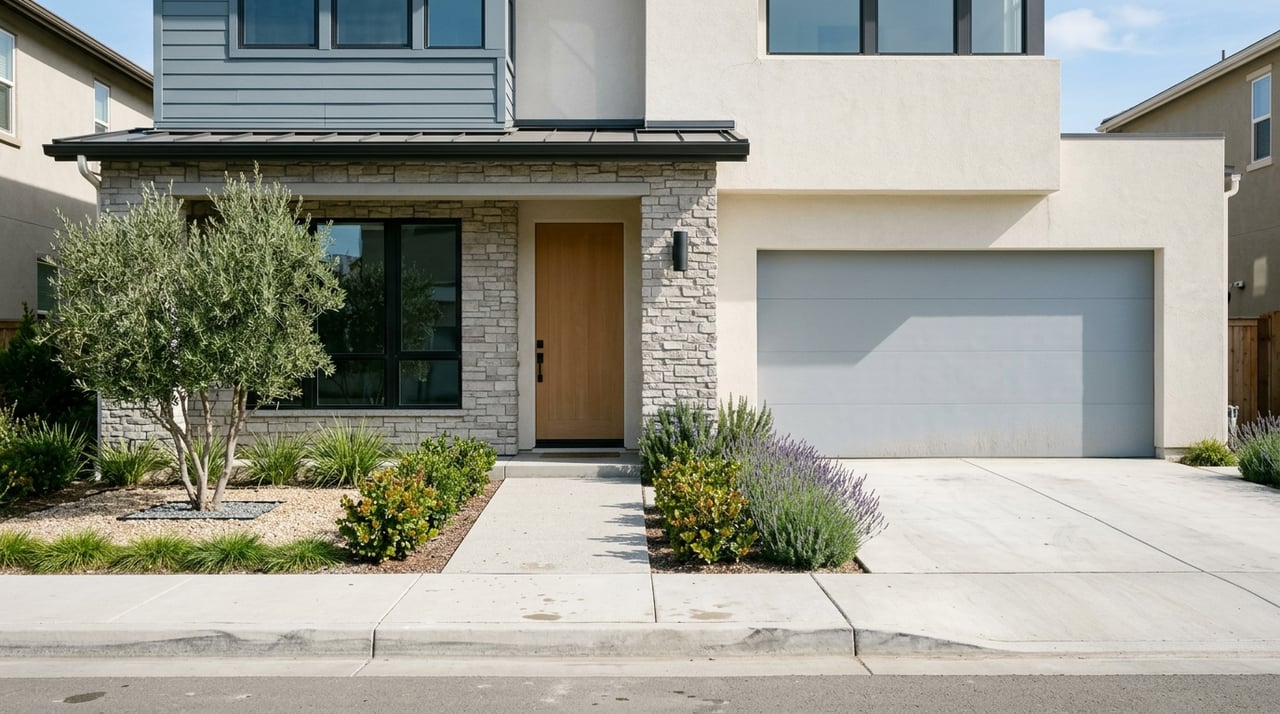
If you work in the Bay Area, your home search can feel like a constant trade-off between commute time, home type, and budget. Fremont stands out because it gives you multiple ways to get around, from BART and ACE access to major freeway connections, while still offering a mix of condos, townhomes, and detached houses. If you are thinking about buying in Fremont as a commuter, this guide will help you understand where to look, what to expect, and how to match your purchase to your daily routine. Let’s dive in.
Fremont is one of the Bay Area’s larger and more established commuter cities, with a population of 228,192 and a mean travel time to work of 30.3 minutes, according to the U.S. Census QuickFacts for Fremont. It also has a high median household income of $181,506 and a median owner-occupied home value of $1,403,800, which helps frame the local buying landscape.
For buyers, Fremont’s appeal comes down to flexibility. You can choose a location that is closer to rail transit, target a home with easier freeway access, or focus on a neighborhood pocket that offers more detached housing. That range is important if your work schedule, office location, or hybrid routine changes from week to week.
Fremont is also planning for growth. The city’s housing planning calls for nearly 13,000 new homes through 2031, including more than 7,000 affordable units, which suggests you should expect continued infill and housing activity near transit and job corridors over time, based on the city housing data summarized with Census context.
Fremont has two current BART stations that matter most for commuter buyers. Fremont Station sits in central Fremont and serves the Richmond to Berryessa/North San Jose and Berryessa/North San Jose to Daly City lines. It also offers AC Transit connections, parking, and on-demand BikeLink lockers.
Warm Springs/South Fremont Station is the southernmost BART station in Alameda County. It includes AC Transit and VTA connections, about 2,000 parking spaces, and BikeLink lockers, making it an important option if your commute points south or if you want access near the Warm Springs area.
A future Irvington BART station is worth watching, but it is not a current commute benefit. BART notes that the station is still in final design, so buyers should treat it as a future improvement rather than something to rely on today.
BART is not the only option. AC Transit routes add useful local connections for Fremont commuters.
Centerville also adds another layer of flexibility. The city notes that the area is close to the Centerville ACE/Amtrak station and bus lines, which can be useful if your job or travel pattern points toward San Jose or the South Bay.
If you drive more often than you take transit, Fremont still offers strong regional connections. The city’s commuter network includes I-880, I-680, SR 84/Decoto, Mission Boulevard, SR 262, and Fremont Boulevard.
The SR 262 Cross Connector fact sheet describes SR 262 as a major east-west route between I-880 and I-680, with improvements aimed at reducing congestion, improving safety, and improving travel-time reliability to Warm Springs BART and nearby destinations. The city also lists modernized freeway interchange work at I-680/Mission and I-880/Decoto as part of its capital improvements.
If your top priority is being near rail transit, Downtown Fremont and the broader City Center area deserve a close look. The city describes this district as a place to live, work, and play near Fremont BART, with a strong focus on walkable, mixed-use, and transit-oriented development.
Within one mile of this area, the city says there are 15,000 residents and 50,000 employees, with more than 1,500 new homes and 27,000 square feet of commercial space planned along Capitol Avenue, according to the Downtown and City Center overview. For you as a buyer, that usually means stronger access to transit and services, along with a greater chance of attached or multifamily housing.
This area may fit you well if you want to shorten the station leg of your commute and do not need a large lot.
Warm Springs/South Fremont is the city’s clearest transit-oriented growth area. The community plan covers 879 acres bounded by I-880, I-680, Auto Mall Parkway, and Mission Boulevard, with the BART station as a central anchor.
The city’s planning documents describe expected residential development at roughly 30 to 70 units per acre, along with mixed-use retail and employment uses near BART. A city fact sheet also says the broader plan could support 4,000 housing units and 10,000 to 20,000 jobs, based on the community plans and design guidelines page.
For commuter buyers, this is one of the strongest places to consider if you want newer housing, proximity to rail, and access to major freeway corridors. The trade-off is that you will typically see less yard space and more higher-density housing than in older single-family parts of Fremont.
Centerville and Irvington often sit in the middle for commuter buyers. They are not always as station-adjacent as Downtown or Warm Springs, but they offer meaningful connections to transit and major corridors.
The city’s land-use snapshot says Centerville, Irvington, and Central have the largest concentration of medium- to high-density housing. The Fremont land use document and the city’s Fremont Boulevard corridor planning also show how these districts connect to Downtown, the ACE station, and other transit hubs.
If you want a balance between commute flexibility and a wider mix of housing options, these areas may be worth adding to your search.
If your priority is more house and yard space, North Fremont, Mission San Jose, and similar older suburban pockets may align better with your goals. The city says these areas are predominantly single-family, which generally makes them more appealing to buyers seeking detached homes.
The trade-off is simple. In many cases, you will drive more often to reach BART stations or freeway access points. If your schedule is hybrid or your commute is less frequent, that may be an acceptable compromise.
One of the smartest ways to search Fremont is to start with your commute habits, then work backward to the home type that fits. Fremont’s housing stock includes 57.8% detached single-family homes, 13.2% attached single-family homes, 24.7% larger multifamily buildings, 3.3% smaller multifamily properties, and 0.9% mobile homes, according to the Census housing breakdown for Fremont.
Here is the practical takeaway:
This is not a strict rule, but it is a useful framework. In Fremont, convenience and housing product are often directly connected.
Commuter buyers should pay attention to how Fremont is evolving. The city continues to invest in major transportation improvements, including work tied to I-680/Mission, I-880/Decoto, and SR 262. The future Irvington BART station is also worth tracking because it could reshape how some central neighborhoods connect to transit in the years ahead.
Fremont also continues to plan for more housing near major corridors. That can create opportunity if you want newer construction or a more transit-oriented location, but it also means some neighborhoods may keep changing over time as projects move forward.
If flexibility matters to you, there is another angle to consider. BART notes that Fremont allows ADUs on single-family and multifamily parcels, and SB 9 may also allow additional units on single-family-zoned property, subject to local rules. For some buyers, that can support long-term planning, multigenerational living, or future use options.
Before you choose a neighborhood, think about how you actually travel each week, not just your ideal routine. A location that looks great on a map may feel very different if you need parking at BART, regular freeway access, or a backup route on busy days.
A few smart steps can help:
The right Fremont purchase is usually the one that matches your daily rhythm, not just your wish list.
If you are weighing Fremont against your commute, your budget, and the kind of home you want long term, working with a local team can make the process much clearer. Refined Real Estate can help you narrow the right area, compare housing options, and move forward with a smart, well-informed buying strategy.
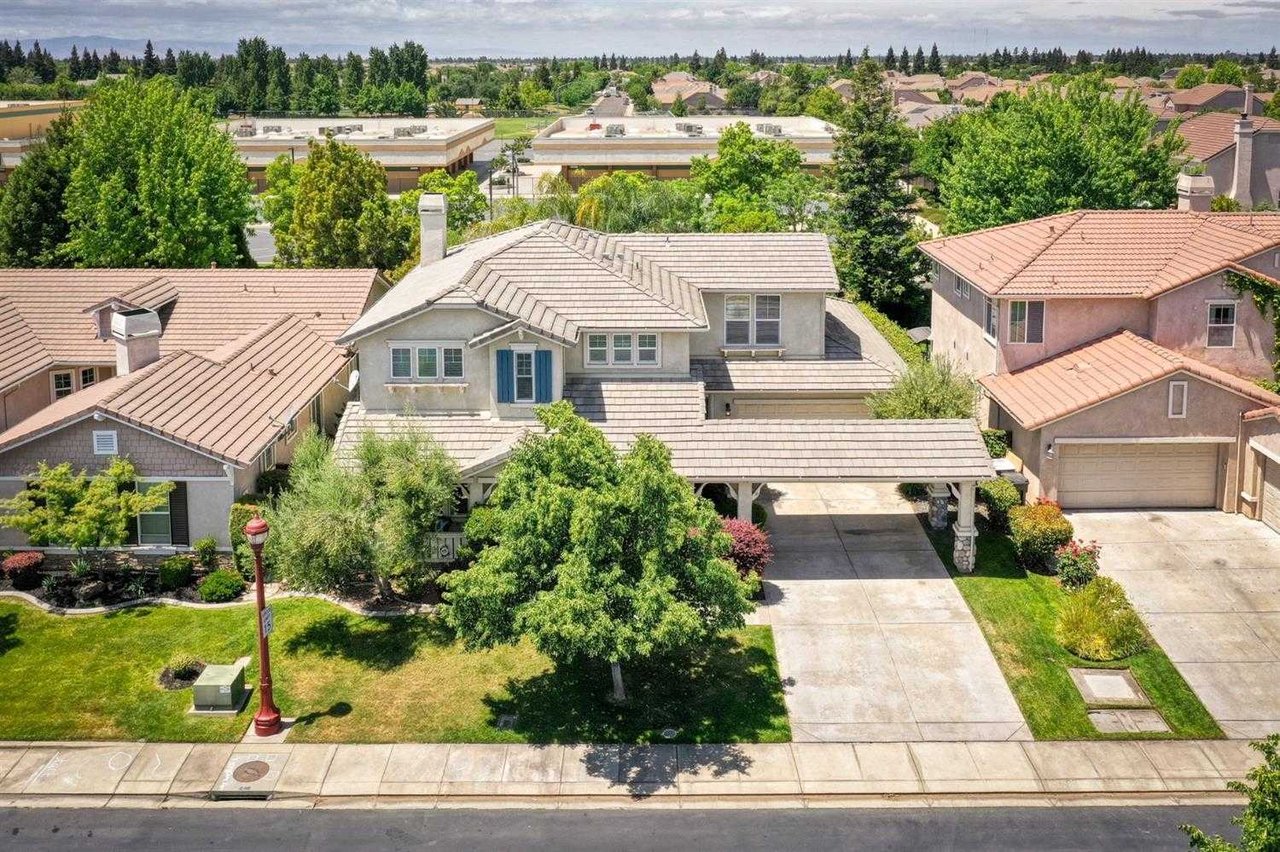

Refined Real Estate intends to make your next home purchase or sale successful and stress-free. Regardless of your goals, our team is committed to guiding you through the home buying and selling processes with honesty, integrity, and clarity.
We’re expert communicators, negotiators, and marketers, but above all, we’re down-to-earth professionals. As Bay Area natives and Central Valley residents, we know the ins and outs of every neighborhood, county, and district as only locals can. Leveraging our expert knowledge, expansive network, and the latest industry technology, we get desirable results for you every time. With many of our new clients coming from referrals and our past clients continuing to utilize our services, our results speak for themselves.
Our Tri-Valley and Mountain House Realtors work to cultivate a lifelong business relationship with you, so we ensure you know that our service goes beyond the transaction. Your calls and emails will never go unanswered, and we’ll never overpromise or underdeliver.
Stay up to date on the latest real estate trends.
The Refined Real Estate team offers unparalleled expertise to the Mountain House market, with 58 years of combined experience and over $250 million in sales. As true Mountain House real estate experts, we pride ourselves on a deep understanding of the local community and market trends. Our proven track record reflects our dedication to helping clients find not just a house, but a home. When you work with us, you’re choosing a team committed to your success and satisfaction every step of the way.