New Construction In Lathrop: What Buyers Should Know
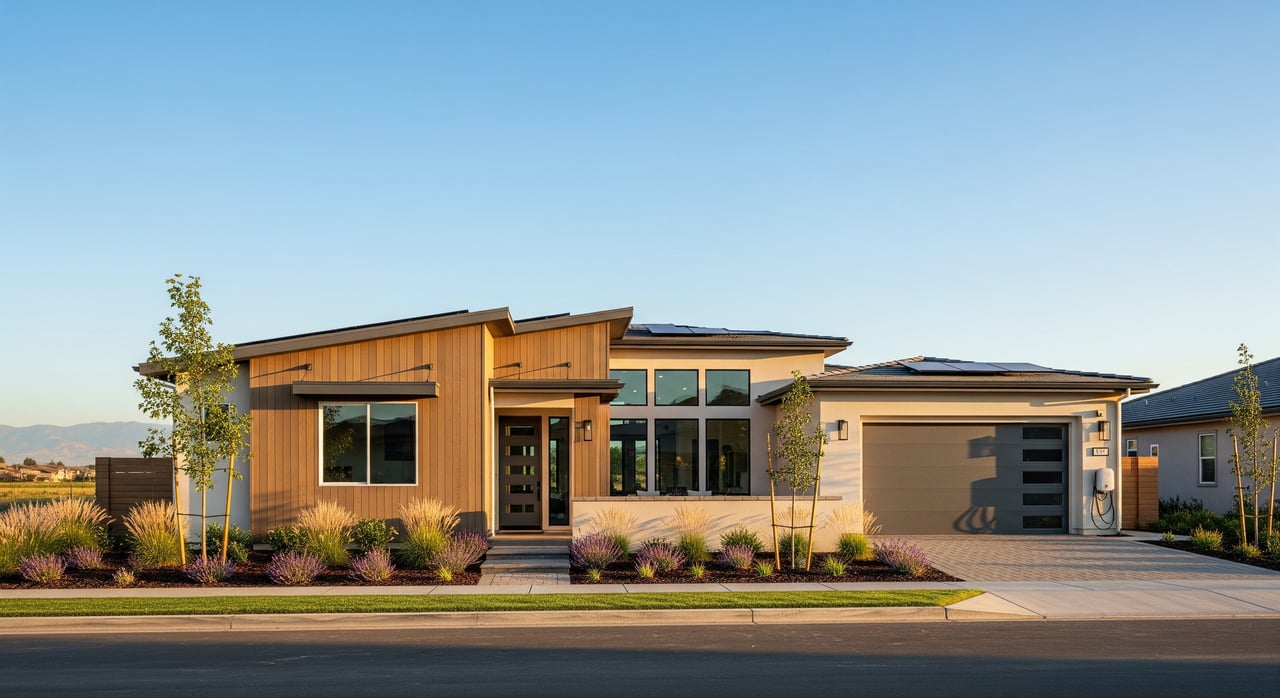
Thinking about a new home in Lathrop for more space, value, or a fresh start? You are not alone. Many buyers look here for modern floor plans, energy efficiency, and relative affordability within the Bay Area–Central Valley commute shed. In this guide, you will learn how pricing works, what to watch for with Mello-Roos and HOAs, how to handle inspections and warranties, and which local risks to check before you buy. Let’s dive in.
Lathrop sits in San Joaquin County along the Central Valley and Delta corridor. Its position near major highways makes it appealing to buyers who work in the Bay Area, Tri-Valley, Stockton, and Tracy but want newer homes at more accessible price points.
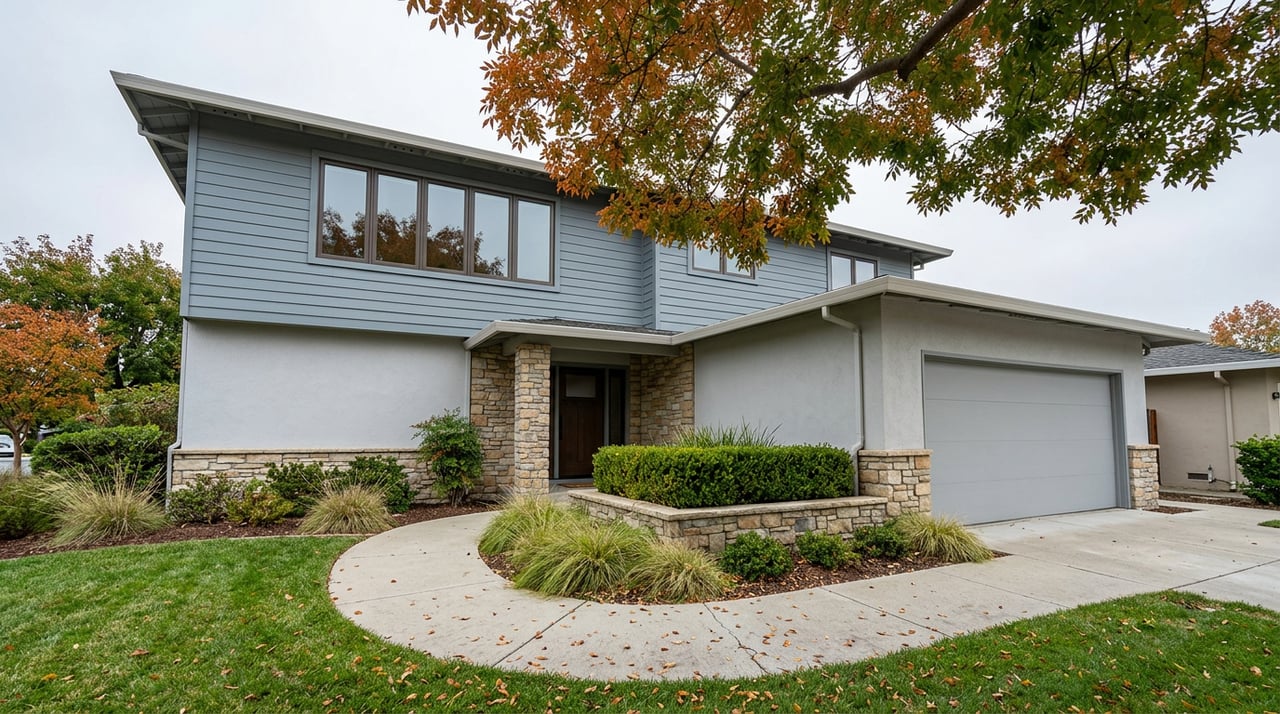
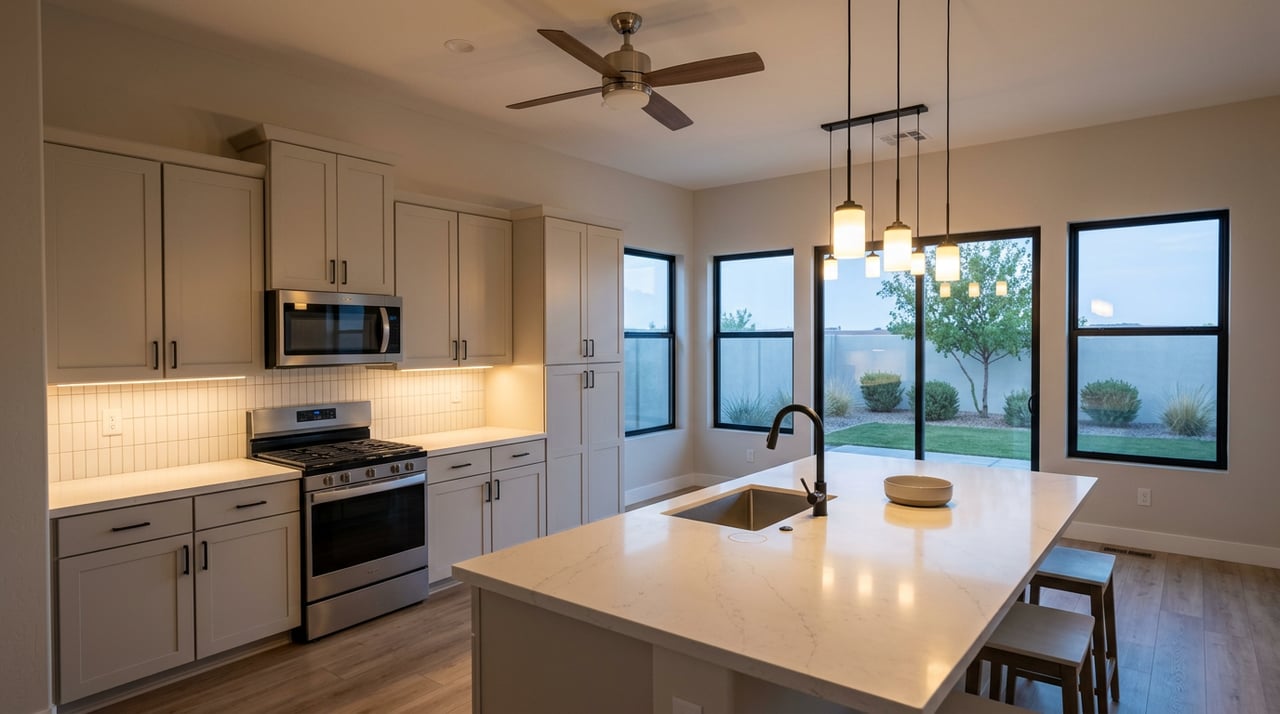
Developers are building master-planned communities and infill projects to meet regional demand. New homes also benefit from California’s strict energy standards, which often include high-performance insulation, efficient HVAC, and rooftop solar. The state’s Building Energy Efficiency Standards require solar on most new single-family homes, so confirm system size and ownership details with the builder. You can learn more from the California Energy Commission’s overview of Title 24 building energy standards.
New construction pricing typically includes three parts: the base price, any lot premium, and your selected options or upgrades. Lot position, like a corner or cul-de-sac, can change the premium and final price. Rear yard orientation and nearby amenities may also affect demand and cost.
Builders often offer incentives such as rate buydowns, closing-cost credits, or design-center upgrades. These can change with market conditions and sales pace, so ask what is available and what is negotiable. You will have a defined selection window to choose finishes; late changes usually become change orders with added cost.
You can use conventional, FHA, or VA financing, and some buyers consider construction-to-permanent loans for early-phase purchases. Many builders have preferred lenders with promotional rates or credits. Compare those packages with offers from independent lenders, and look at the full cost, not just the headline rate.
Appraisals can be tricky if the tract is new or your plan has many upgrades that lack comparable resales. Keep a realistic appraisal contingency and be prepared to negotiate if the value comes in below contract price. If incentives are tied to a preferred lender or title company, federal truth-in-lending rules require disclosure, so review all details in writing before you commit.
In California, your property is typically assessed at your purchase price, and Proposition 13 limits annual assessment increases. Ask the San Joaquin County Assessor for tax questions specific to your parcel and closing date. You can find county-level information through the California Department of Real Estate consumer resources and your escrow officer’s tax breakdown at closing.
Many newer Lathrop subdivisions use Mello-Roos Community Facilities Districts to fund infrastructure like roads, parks, and utilities. That adds a special tax to your annual bill, and amounts vary by tract. Review the Mello-Roos notice and annual schedule in your disclosures, and ask your lender to include it in your payment estimate.
You may also see other local assessments for lighting, landscaping, storm drains, or similar services. Confirm every recurring charge in writing so you are not surprised later.
HOAs are common in master-planned communities. Dues fund common area maintenance, amenities, and reserves, while CC&Rs may limit exterior changes, landscaping choices, or parking. Review these documents closely so the rules fit your lifestyle.
In the early years, the developer often controls the HOA board. Ask for the transition timeline, the latest budget, and the reserve study to gauge future dues and the risk of special assessments. Also check for pending litigation or projects the developer still funds that may shift to the HOA later.
Most builders offer a limited warranty that commonly follows a 1-2-10 structure: about 1 year for workmanship and materials, 2 years for major systems like electrical, plumbing, and HVAC, and up to 10 years for structural elements. Get the exact warranty in writing and learn the claims process, timelines, and dispute resolution rules.
Even with new homes, independent inspections are smart. Schedule a pre-drywall inspection if access is allowed and a final inspection before closing. Plan follow-up inspections near the end of the 11-month and 23-month marks to catch items before warranty periods end. Do a detailed walkthrough with a punch list, and confirm the builder’s repair timeline in writing.
Parts of the Central Valley and Delta corridor are in FEMA floodplains or have local drainage considerations. Lenders generally require flood insurance if a property is in a mapped flood zone. Review FEMA’s official Flood Map Service Center for the parcel and ask your insurer and lender to verify requirements.
San Joaquin County is in a seismically active region. While Lathrop is not on a major fault trace, you should check for any mapped Alquist-Priolo fault zones and other local geologic hazards. The California Geological Survey provides public information on fault zones and geologic risks; start with the Alquist-Priolo program page and request the builder’s soils or geotechnical report for your tract.
The Central Valley can experience poor air quality days, especially for ozone and particulate matter. Consider proximity to busy roadways and active agricultural operations, which may bring seasonal dust, odors, or pesticide drift. Ask for any required disclosures and review them before you finalize your selections.
Lathrop’s location provides access to major highways that serve Bay Area and Tri-Valley commuters. Regional rail improvements and commuter projects can affect future options and demand. For updates, review project pages from regional agencies like the San Joaquin Council of Governments and local rail operators.
New construction in Lathrop can give you modern efficiency, builder warranties, and a planned community setting. The key is to verify the numbers, understand the HOA and Mello-Roos, and protect yourself with inspections and smart contract terms. With the right plan, you can secure a home that fits your life today and supports resale down the road.
If you want help comparing builders, lots, and incentives, or you need to sell first, our team is ready to guide you. Reach out to Refined Real Estate for new-construction search support, clear market advice, and a smooth path from contract to keys.
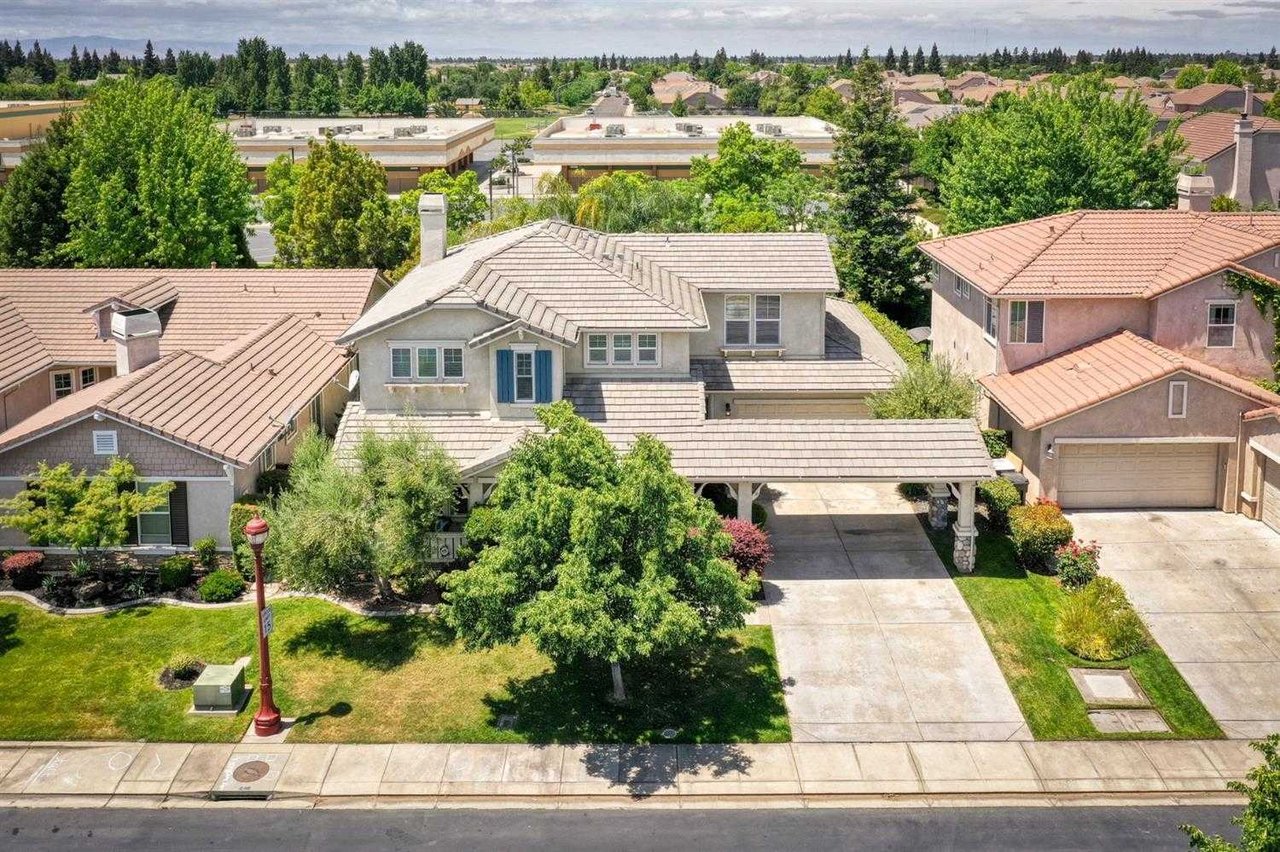

Refined Real Estate intends to make your next home purchase or sale successful and stress-free. Regardless of your goals, our team is committed to guiding you through the home buying and selling processes with honesty, integrity, and clarity.
We’re expert communicators, negotiators, and marketers, but above all, we’re down-to-earth professionals. As Bay Area natives and Central Valley residents, we know the ins and outs of every neighborhood, county, and district as only locals can. Leveraging our expert knowledge, expansive network, and the latest industry technology, we get desirable results for you every time. With many of our new clients coming from referrals and our past clients continuing to utilize our services, our results speak for themselves.
Our Tri-Valley and Mountain House Realtors work to cultivate a lifelong business relationship with you, so we ensure you know that our service goes beyond the transaction. Your calls and emails will never go unanswered, and we’ll never overpromise or underdeliver.
Stay up to date on the latest real estate trends.

Discover where local families go for trick-or-treating, Halloween decorations, full-size candy bars and community events in Mountain House.
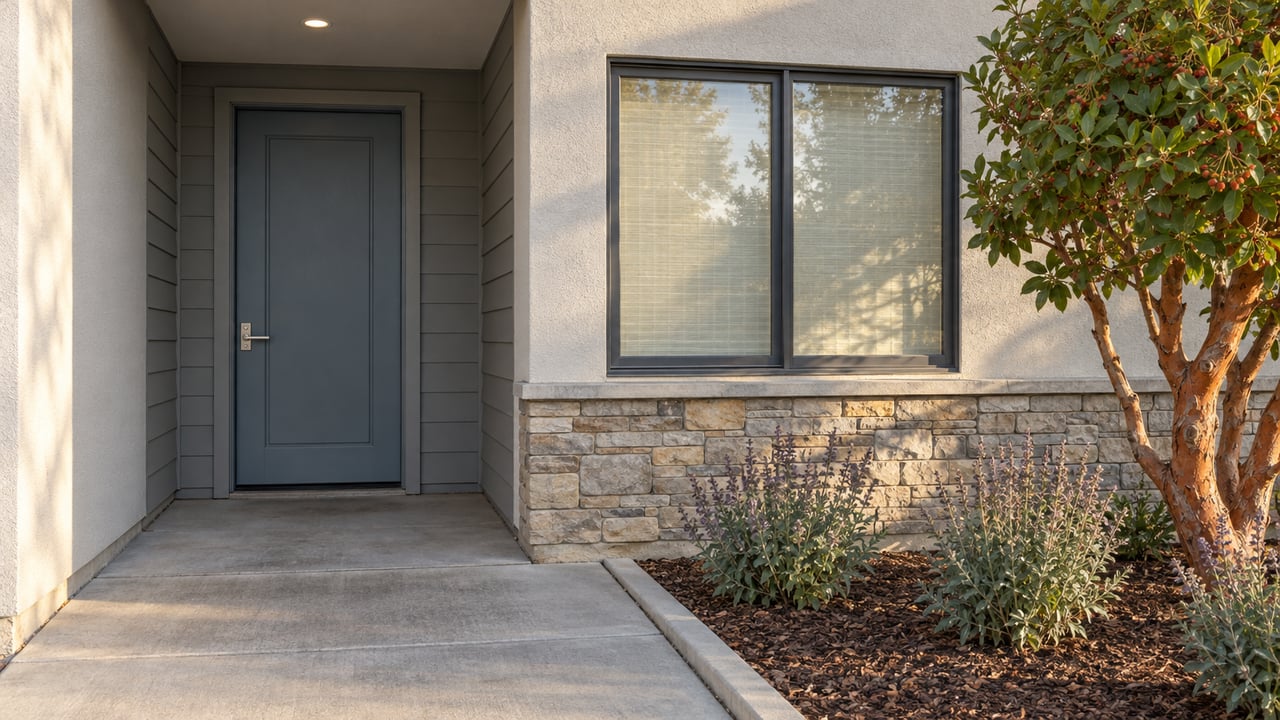
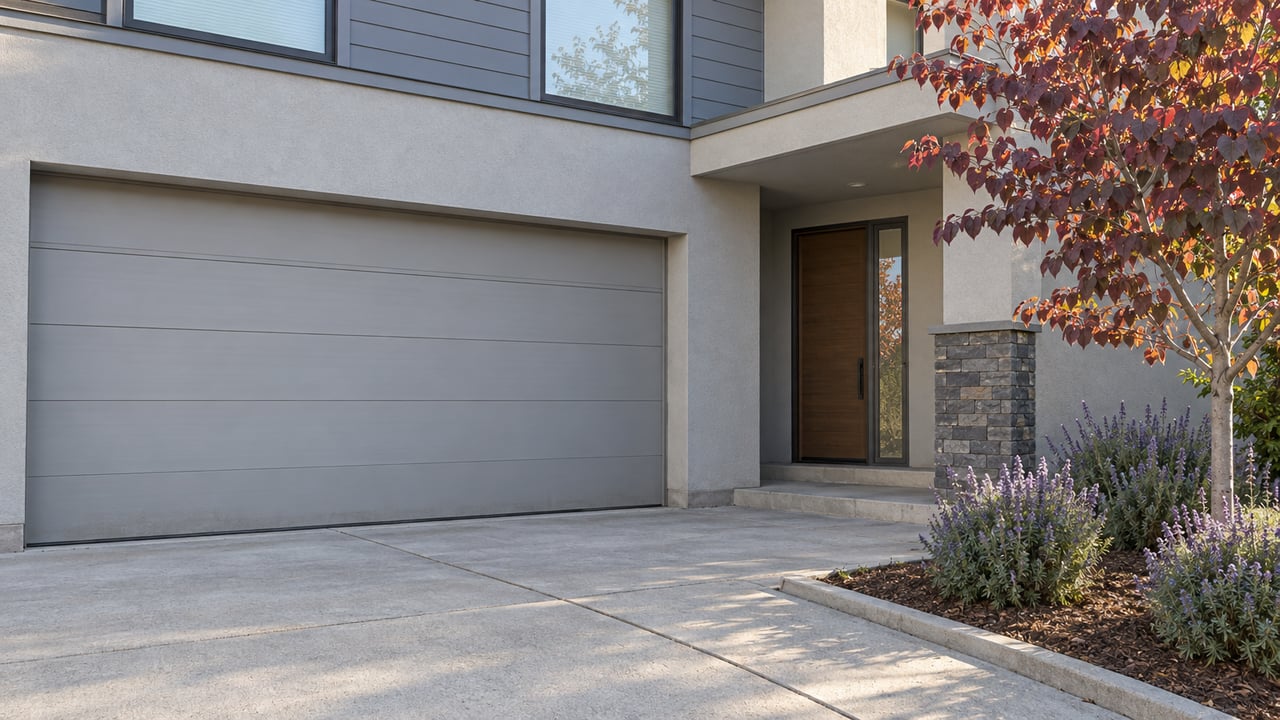
The Refined Real Estate team offers unparalleled expertise to the Mountain House market, with 58 years of combined experience and over $250 million in sales. As true Mountain House real estate experts, we pride ourselves on a deep understanding of the local community and market trends. Our proven track record reflects our dedication to helping clients find not just a house, but a home. When you work with us, you’re choosing a team committed to your success and satisfaction every step of the way.