Months Of Inventory In Pleasanton: How To Read It

Is the Pleasanton market moving fast or slowing down? When you hear multiple offers one week and price cuts the next, it can be hard to tell where you stand. Months of inventory gives you a simple way to read supply versus demand so you can plan with confidence. In this guide, you will learn what months of inventory means, how to calculate it, and how to use it in Pleasanton and the broader Alameda County and Oakland–Hayward–Berkeley area. Let’s dive in.
Months of inventory, also called months’ supply, estimates how long it would take to sell the current active listings at the current sales pace if no new homes came on the market. It is a quick snapshot of market speed and negotiating leverage based on standard definitions used by major MLSs and real estate associations.
Two common methods are used:
The 30-day method reacts faster to changes, but it can be noisy from month to month. The 12-month rolling approach is smoother and helpful for planning through seasonal ups and downs.
Follow these steps to compute a local figure you can trust:
Examples:
Use these practical ranges as guidelines, not hard rules:
Pleasanton often sees seasonal swings. MOI tends to dip in spring and early summer, then rise in late fall and winter. A rolling average helps you separate seasonal patterns from real shifts in demand.
Pleasanton’s city-level MOI can look very different from Alameda County as a whole or the Oakland–Hayward–Berkeley metro. The broader area blends a wide range of neighborhoods, price tiers, and property types that can mask Pleasanton’s specific pace. Use Pleasanton MOI to set expectations for your search or sale, then compare it to county or metro MOI for context on the bigger picture.
Single-family homes and townhomes often move at different speeds. Townhomes can show a different months-of-inventory level because of affordability, HOA rules, and buyer demand patterns. In Pleasanton, single-family homes may concentrate in higher price tiers, while townhomes can attract buyers looking for a lower monthly payment.
Lower price ranges often show lower MOI because more buyers compete there. Higher price ranges can show higher MOI because the buyer pool is smaller. This is why one city average can hide very different conditions inside each price bracket.
New construction, even small infill projects, can add a burst of supply in a specific segment and increase MOI temporarily. Micro-markets within Pleasanton, such as different neighborhoods or areas near certain amenities, can also show distinct MOI compared to the city average. Always check the segment that matches your plan.
If Pleasanton single-family MOI is very low, plan for faster timelines and more competition. Get a strong pre-approval, be ready to schedule inspections quickly, and work with your agent to craft competitive terms. Expect fewer concessions from sellers and a focus on clean, well-timed offers.
If townhome MOI is higher, you may have more leverage. You can ask for seller credits, rate buydowns, or longer contingency periods. You can also compare more homes at once and move deliberately without losing the best options.
Low MOI gives you an advantage, but you still need a smart plan. Price with the comps in mind, prepare for appraisal considerations, and present your home well. Strong photos, staging, and clear disclosures help you capture top interest early when buyer activity is highest.
Prepare for a longer market time and more negotiation. Consider strategic pricing, professional staging, and targeted improvements that improve first impressions. Stay flexible on terms like credits or closing dates to widen your buyer pool.
If you are ready to get a personalized Pleasanton market snapshot or a free valuation, reach out to Refined Real Estate today.
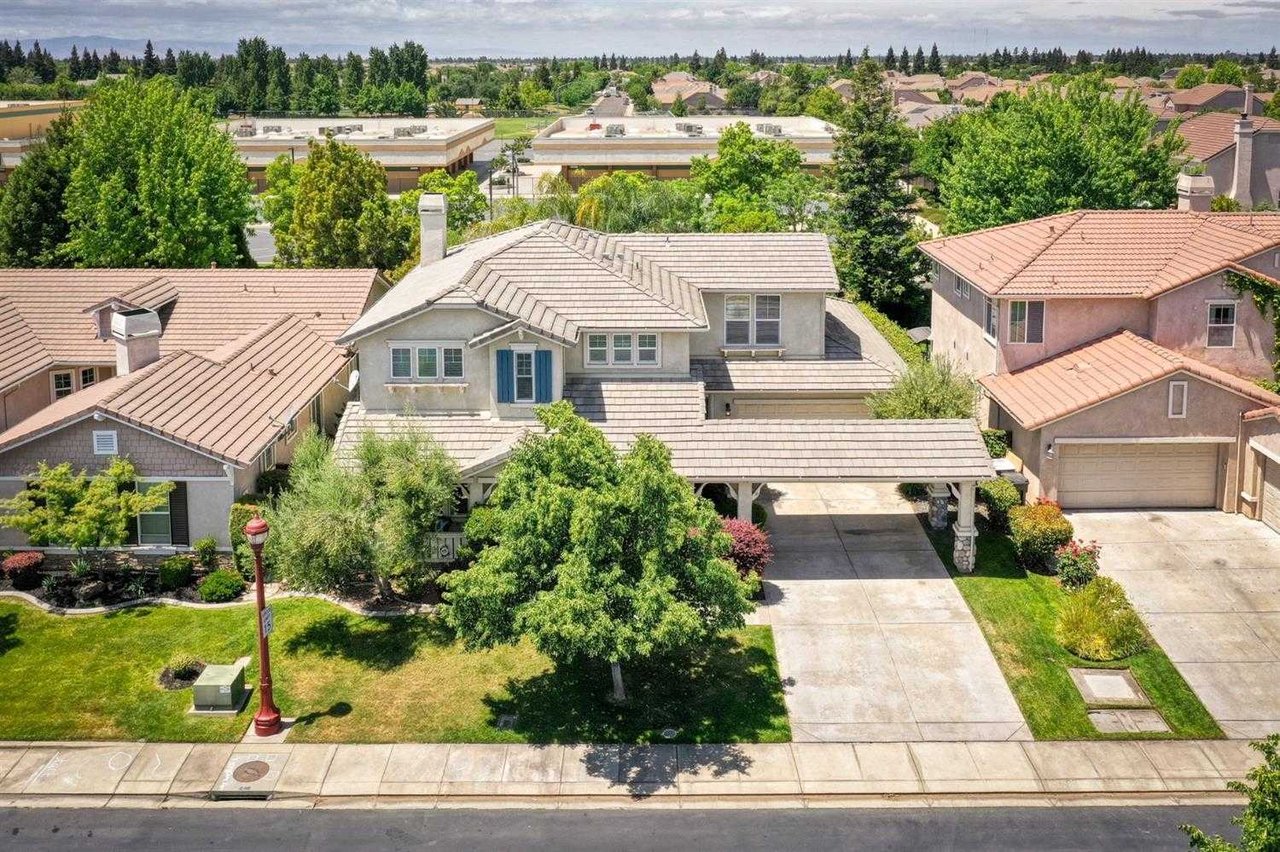

Refined Real Estate intends to make your next home purchase or sale successful and stress-free. Regardless of your goals, our team is committed to guiding you through the home buying and selling processes with honesty, integrity, and clarity.
We’re expert communicators, negotiators, and marketers, but above all, we’re down-to-earth professionals. As Bay Area natives and Central Valley residents, we know the ins and outs of every neighborhood, county, and district as only locals can. Leveraging our expert knowledge, expansive network, and the latest industry technology, we get desirable results for you every time. With many of our new clients coming from referrals and our past clients continuing to utilize our services, our results speak for themselves.
Our Tri-Valley and Mountain House Realtors work to cultivate a lifelong business relationship with you, so we ensure you know that our service goes beyond the transaction. Your calls and emails will never go unanswered, and we’ll never overpromise or underdeliver.
Stay up to date on the latest real estate trends.

Discover where local families go for trick-or-treating, Halloween decorations, full-size candy bars and community events in Mountain House.



The Refined Real Estate team offers unparalleled expertise to the Mountain House market, with 58 years of combined experience and over $250 million in sales. As true Mountain House real estate experts, we pride ourselves on a deep understanding of the local community and market trends. Our proven track record reflects our dedication to helping clients find not just a house, but a home. When you work with us, you’re choosing a team committed to your success and satisfaction every step of the way.