New Construction vs Resale In Mountain House Homes
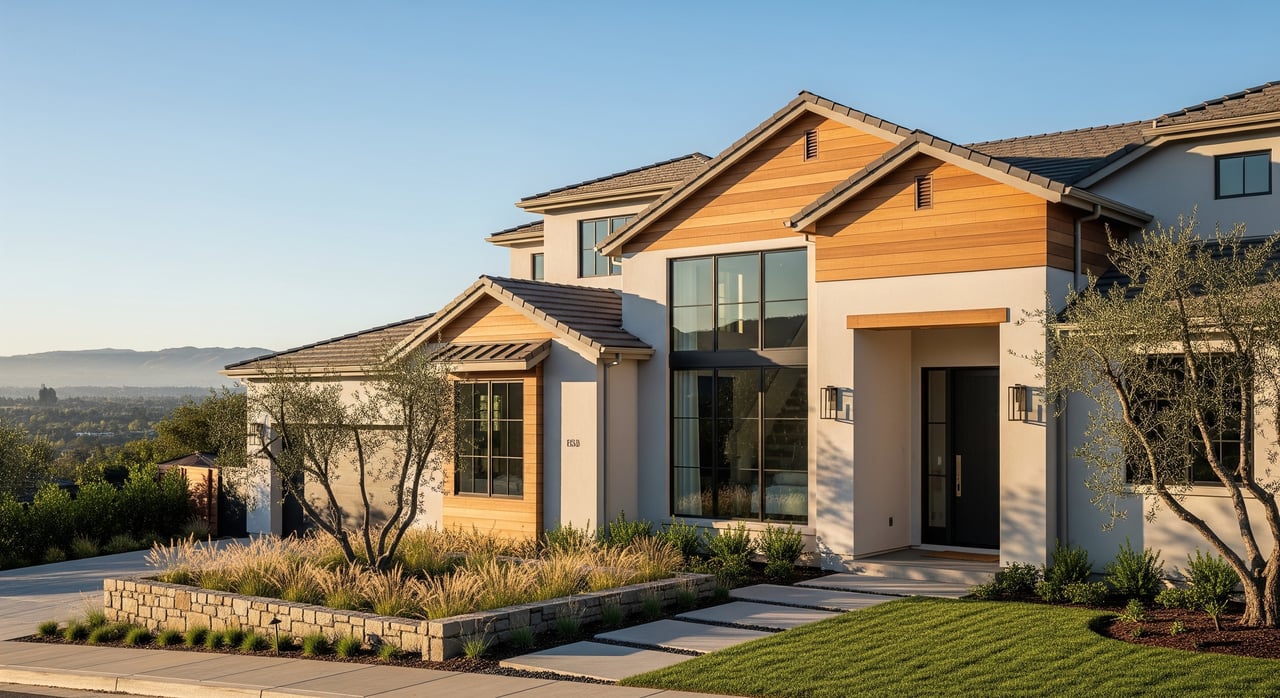
Torn between a shiny new build and an established resale in Mountain House? You are not alone. Many buyers weigh price, commute, schools, and timing before they choose. In this guide, you will see how both options stack up on cost, lot size, energy efficiency, HOA and taxes, timelines, inspections, financing, and long‑term value. Let’s dive in.
Mountain House sits in San Joaquin County and attracts buyers who want more house for the money with access to East Bay jobs. Typical drives to Dublin, Pleasanton, or Oakland run about 45 to 75 minutes depending on traffic and destination. The town is a master‑planned community with parks, trails, and neighborhood amenities. Local school assignments are set by the Lammersville Unified School District and should be verified for each address.
New construction often carries a price premium per square foot. You pay for brand‑new finishes, current code compliance, and builder margin. Builders may offer incentives like closing cost credits, interest rate buydowns, or design upgrades that can improve your net cost.
Resale pricing varies by lot size, orientation, upgrades, and neighborhood maturity. A resale on a larger or premium lot can match or even exceed a new home’s total price.
Total cost is more than the sticker price. In California the base property tax is about 1 percent. You also need to factor HOA dues, parcel taxes, and any Mello‑Roos or Community Facilities District assessments that are common in newer phases of Mountain House. These can change your monthly payment in a meaningful way.
New neighborhoods tend to have smaller, efficient lots with young landscaping. Some product lines offer larger lots, but they usually cost more. Expect nearby building activity in newer sections, which can mean construction traffic and noise for a period of time.
Resales often come with mature trees, established yards, and sometimes larger or irregular lots in earlier phases. Mature landscaping can boost curb appeal but may add maintenance costs.
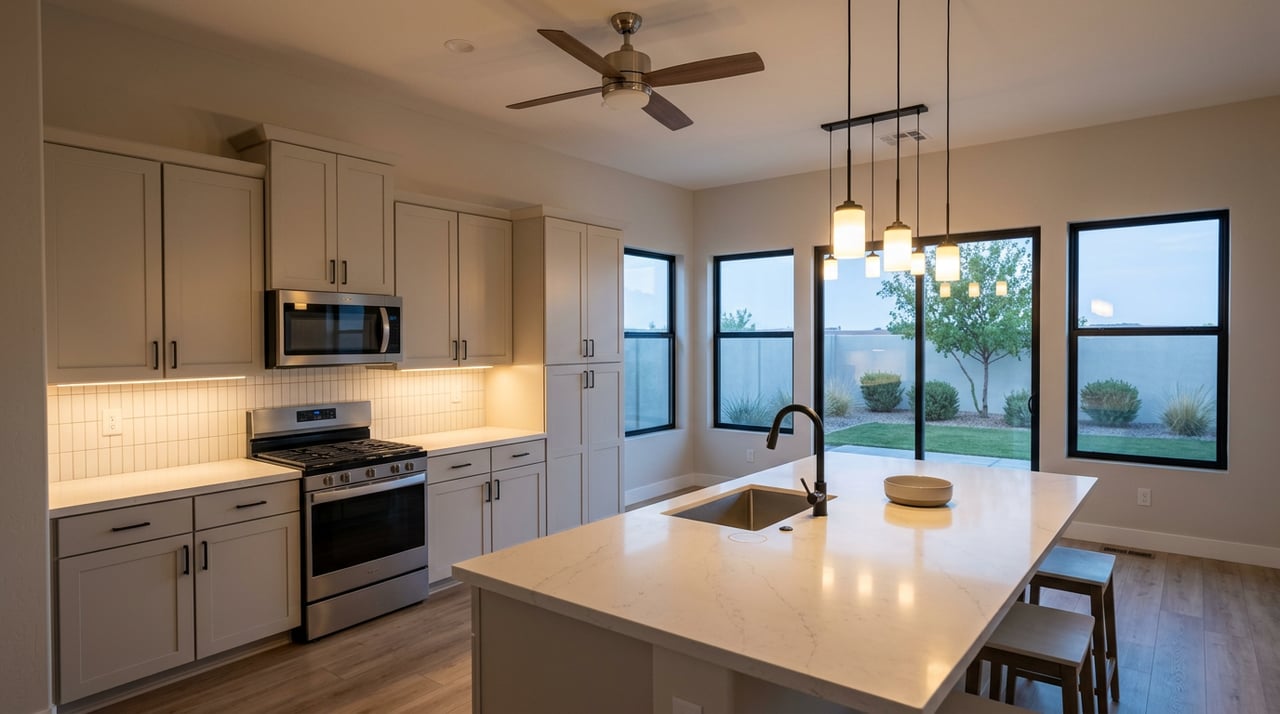
New homes usually feature open layouts, big kitchens, and generous storage. They also meet current California Title 24 energy standards, with better insulation, high‑efficiency HVAC, and LED lighting. EV conduit or charging rough‑ins are increasingly common.
Resale homes range widely. Some have been remodeled to today’s tastes. Others may need updates to layout, finishes, or systems. Older mechanicals can mean more near‑term repair or replacement.
Because new homes are built to the latest code at permit time, they often deliver lower utility usage versus older builds. Actual savings depend on the equipment installed and your household’s habits. Resales that have upgraded windows, insulation, and HVAC can close the gap, while those without updates generally lag.
Mountain House has a master association plus sub‑associations by neighborhood. Newer communities often start with more restrictive CC&Rs to keep a cohesive look. HOA fees cover amenities and common area maintenance and vary by subdivision.
With resales, you can review actual HOA budgets and reserve studies. With new communities, you review projected budgets that are less tested. Either way, build HOA dues and any Mello‑Roos or CFD charges into your monthly cost planning.
New construction follows one of two paths. Inventory or model homes can close in about 30 to 60 days once you sign the purchase agreement. Build‑to‑order homes that include lot selection and design choices typically take 4 to 12 months from contract to move‑in. Timelines can extend if permits or materials are delayed.
Resale transactions often close in 30 to 45 days with conventional financing. Your contingency periods for inspections and appraisal typically run 7 to 21 days depending on the offer terms. Delays can come from repairs, appraisal gaps, or lender processing.
New homes usually include a builder warranty package. A common pattern is a 1‑year workmanship warranty, a 2‑year systems warranty, and a 10‑year limited structural warranty. Confirm coverage details, exclusions, claim steps, and whether the warranty transfers.
Even with a brand‑new home, consider third‑party inspections at key milestones and a final inspection before closing. For resales, rely on full seller disclosures, a comprehensive home inspection, and a wood‑destroying pest report. Plan for repairs or credits during negotiations.
Builders often promote preferred lenders with rate buydowns, closing cost credits, or reduced fees. Compare those offers to independent lenders so you understand your true net cost. Production builders usually use standard permanent mortgages, not construction loans.
Resales are commonly financed with conventional, FHA, or VA loans. Appraisals use recent comparable sales. In fast‑moving markets, both new homes and resales can face appraisal gaps. Have a plan for extra cash, price adjustments, or concessions if needed.
Future resale strength in Mountain House depends on location, lot, school boundary, and upgrade quality. Proximity to amenities and lot orientation can influence demand. In phases where many similar new units are available, pricing can compress until supply is absorbed. Your holding period matters. Short stays carry more risk than longer ownership.
Ask yourself:
If you value modern layouts, warranties, and low immediate maintenance, new construction can be a great fit, especially if you can use incentives and wait for completion. If you want a mature neighborhood feel, larger or unique lots, and quicker move‑in, a well‑vetted resale can be the smarter play. The best choice aligns your timeline, monthly budget, and tolerance for projects with the exact neighborhood, lot, and fee structure.
You do not have to make this decision alone. As a Mountain House‑based team, we help you compare actual neighborhoods, tax bills, HOA budgets, and timelines side by side so you can act with confidence. If you are ready to walk model homes, preview top resales, or map out a plan, reach out to Refined Real Estate for local guidance and fast, clear answers.
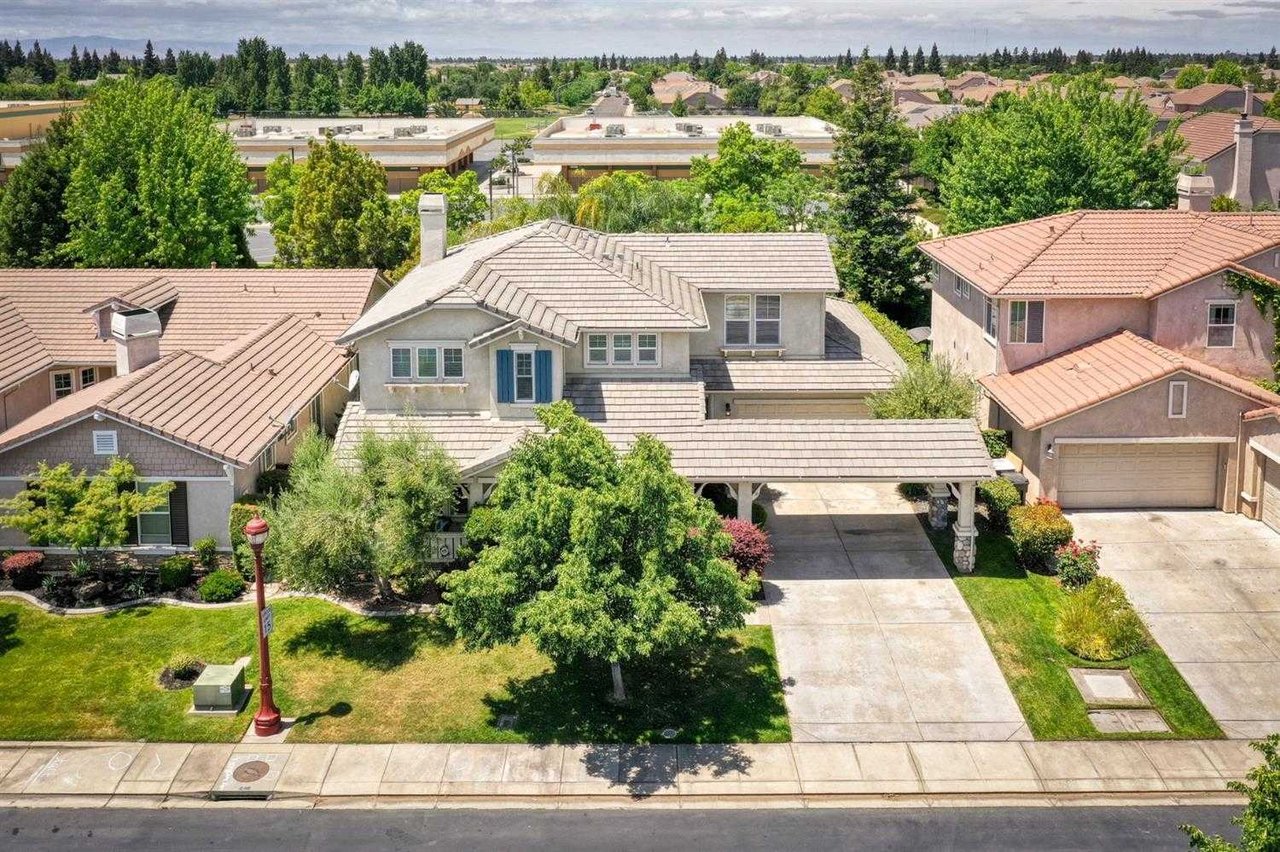

Refined Real Estate intends to make your next home purchase or sale successful and stress-free. Regardless of your goals, our team is committed to guiding you through the home buying and selling processes with honesty, integrity, and clarity.
We’re expert communicators, negotiators, and marketers, but above all, we’re down-to-earth professionals. As Bay Area natives and Central Valley residents, we know the ins and outs of every neighborhood, county, and district as only locals can. Leveraging our expert knowledge, expansive network, and the latest industry technology, we get desirable results for you every time. With many of our new clients coming from referrals and our past clients continuing to utilize our services, our results speak for themselves.
Our Tri-Valley and Mountain House Realtors work to cultivate a lifelong business relationship with you, so we ensure you know that our service goes beyond the transaction. Your calls and emails will never go unanswered, and we’ll never overpromise or underdeliver.
Stay up to date on the latest real estate trends.
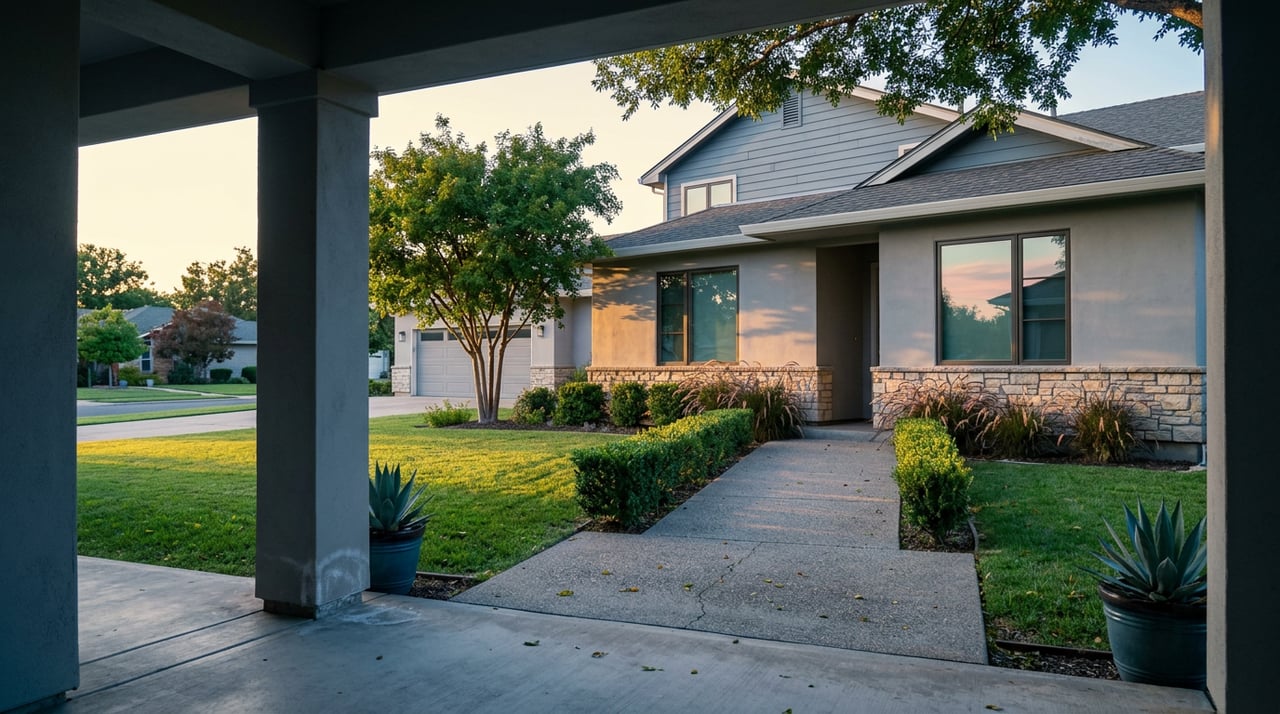
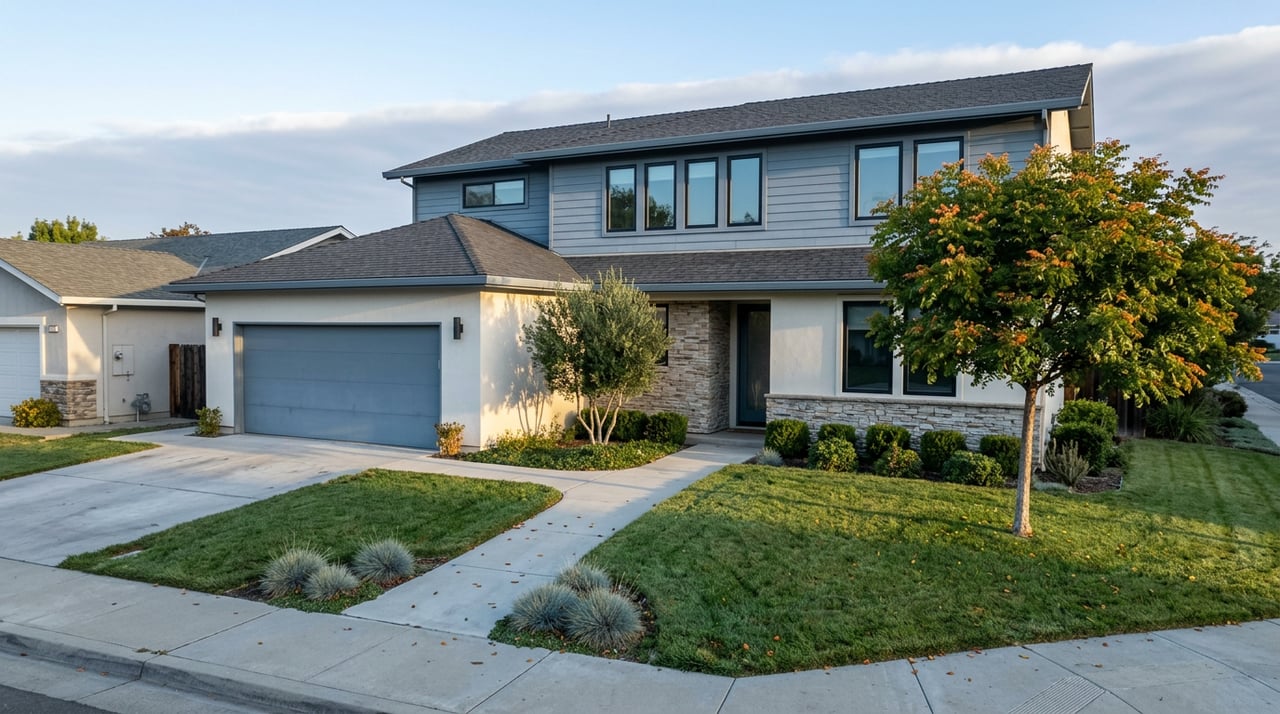
The Refined Real Estate team offers unparalleled expertise to the Mountain House market, with 58 years of combined experience and over $250 million in sales. As true Mountain House real estate experts, we pride ourselves on a deep understanding of the local community and market trends. Our proven track record reflects our dedication to helping clients find not just a house, but a home. When you work with us, you’re choosing a team committed to your success and satisfaction every step of the way.