Leave a Message

Thank you for your message. We will be in touch with you shortly.

ADU Basics In Fremont: Costs, Rules, And Value

ADU Basics In Fremont: Costs, Rules, And Value

Thinking about adding a backyard home or converting your garage, but not sure where to start? You are not alone. ADUs feel exciting and overwhelming at the same time, especially when you are weighing costs, city rules, and resale value in a high-demand market like Fremont.

This guide breaks down the essentials in plain language so you can plan with confidence. You will learn what types of ADUs are common, what to verify with the City of Fremont, how to budget and finance, and how an ADU can impact rental income and resale. Let’s dive in.

What an ADU is

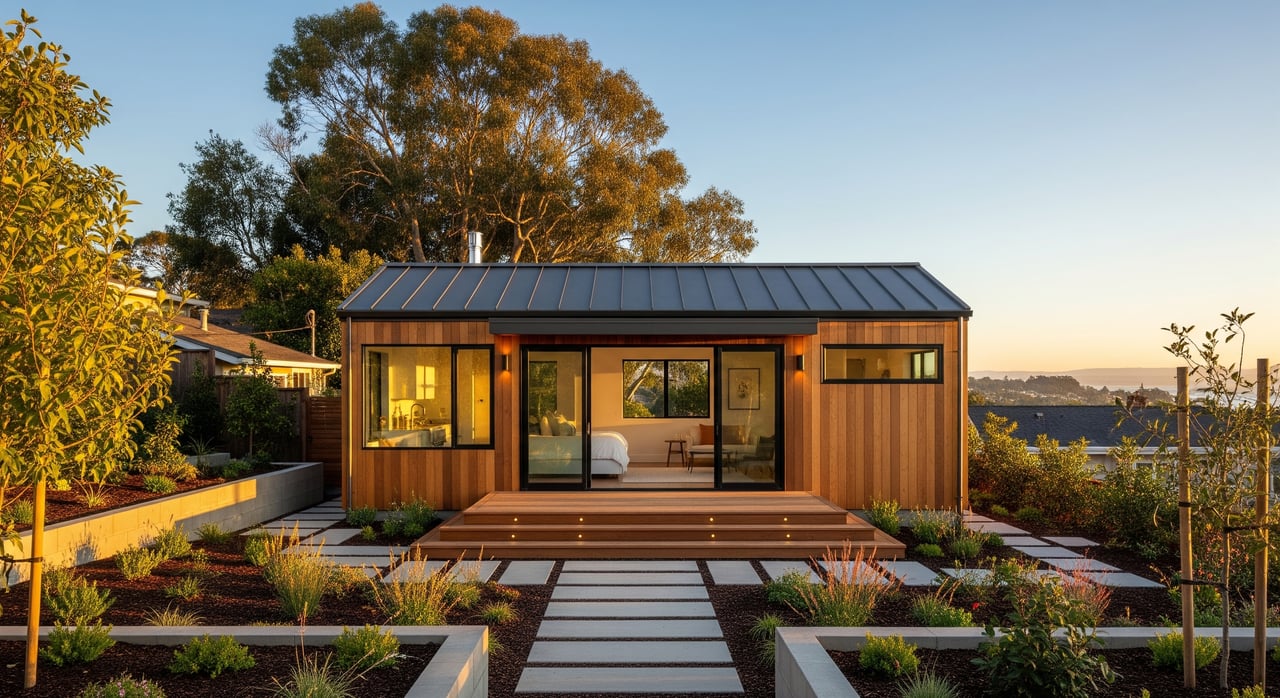
An Accessory Dwelling Unit is a smaller, independent home on the same lot as your main house. It has its own entrance and basic living features like a kitchen, bathroom, and sleeping space.

Common ADU types include:

  • Detached ADU. A new, stand-alone cottage or backyard unit.
  • Attached ADU. An addition that shares a wall with your main house.
  • Garage conversion ADU. A conversion of an existing garage or accessory building.
  • Junior ADU (JADU). A small unit carved out of the main home, often with a kitchenette. State law commonly caps JADUs at smaller sizes. Always confirm current local rules before you design.

Homeowners use ADUs for long-term rentals, multigenerational living, a guest suite, or a home office. Short-term rentals may be restricted, so confirm local rules before you plan around them.

Fremont rules to verify first

California has passed laws that make ADUs easier to build, but cities still apply zoning and building code standards. In Fremont, plan to verify these items with the Planning and Building Divisions before you commit to a design or budget:

  • Allowed zones. Confirm that your parcel’s zoning allows the ADU type you want.
  • ADU types. Check whether detached, attached, garage conversions, and JADUs are permitted on your lot.
  • Size and height. Ask about maximum square footage, height limits, and whether size is tied to your lot or main home size.
  • Setbacks and lot coverage. Confirm side, rear, and front setbacks, plus any lot coverage or open space rules.
  • Parking. State rules reduce parking in many cases. Still confirm Fremont’s requirements, including when parking can be waived and when replacement parking is needed after a garage conversion.
  • Owner occupancy. State law has reduced many owner-occupancy rules. Ask Fremont staff about the current policy for ADUs and JADUs.
  • Utilities and fees. Verify water, sewer, and electrical connection needs, metering options, and current city fees. Ask your providers about capacity and upgrades.
  • Impact fees and deferrals. Ask if fees apply to your size of ADU and whether Fremont offers any waivers or deferral programs.
  • Design review and historic areas. If you are in a historic district or design overlay, there may be extra standards.
  • Building code. All ADUs must meet California Building Standards for life safety, energy, plumbing, and electrical. Plan for inspections.
  • Short-term rentals. Check Fremont’s business licensing and any restrictions if you are considering short-term stays.
  • Incentive programs. If you plan to use a public grant or loan, confirm whether there are affordability or occupancy covenants.

Permitting steps in Fremont

Your project will involve both Planning and Building. Most ADUs are reviewed through a ministerial process, which is typically faster than discretionary reviews.

  • Pre-feasibility. Discuss your concept with Fremont Planning to confirm zoning basics, setbacks, size limits, and parking. Early clarity saves time.
  • Design and plans. Hire a designer or design-build team. Expect to prepare a site plan, floor plans, elevations, basic utility plans, and any required calcs. Some sites need a survey or geotechnical report.
  • Submit your application. You will submit for zoning review and a building permit. Provide proof of ownership and complete plan sets.
  • Plan check and revisions. Respond quickly to comments. Ministerial ADUs usually move faster when plans are complete.
  • Permits and inspections. Once approved, pull your permits and follow the inspection sequence through final sign-off.

Timeline varies by complexity and city workload. Start early, and build in time for plan updates and contractor scheduling.

Costs in the East Bay

ADU budgets vary widely. Here are the biggest drivers in Fremont and the broader Bay Area:

  • Type of build. Conversions typically cost less than attached additions. New detached units cost the most since you are building a full structure with a foundation, roof, and full utilities.
  • Size and finishes. More square footage, bathrooms, and custom finishes raise costs.
  • Site and structure. Slopes, trees, narrow access, seismic upgrades, and foundation work add to the budget.
  • Utilities. Trenching, new or upsized water and sewer lines, and electrical panel upgrades can be significant line items.
  • Soft costs. Design, engineering, permits, plan check, impact fees, utility application fees, and lender costs all add up.
  • Local labor market. The Bay Area generally has higher labor and material costs than the national average.

Best practice: collect multiple bids, insist on detailed scopes, and include a 10 to 20 percent contingency for surprises or delays.

Financing your ADU

Most homeowners blend cash and financing. Common options include:

  • Cash or savings. Simple and fast if available.
  • Cash-out refinance. Refinance your primary mortgage and pull equity to fund construction.
  • HELOC or home equity loan. Borrow against your current equity with an interest-only line or fixed second loan.
  • Construction-to-permanent loan. Finance the build, then roll into a fixed mortgage after completion.
  • Renovation loans. Options like FHA 203(k) may be available, subject to lender rules and property eligibility.
  • Private financing. Personal or business loans, or private construction financing when traditional routes are not a fit.
  • Public programs. Periodic city or county grants, loans, or fee deferrals may come and go. Check Fremont and Alameda County for current offerings.

Work with a lender who understands ADU projects, including how potential rental income may or may not factor into underwriting.

Value and rental outlook

Fremont benefits from strong regional job centers, nearby transit, and steady rental demand. A well designed, legally permitted ADU can appeal to long-term renters and can make your home more flexible for multigenerational living.

Appraisers typically consider the ADU’s legal status, livable square footage, access and privacy, kitchen and bath quality, and overall functionality. Permitted ADUs usually add more market value than unpermitted spaces and can reduce friction with buyers and lenders.

Do not expect a guaranteed dollar-for-dollar return. In some sales, buyers value ADUs for income potential and pay a premium. In others, the market prices the ADU below full construction cost. If you plan to sell soon after completion, talk to a local agent and appraiser to set realistic expectations.

Taxes, insurance, and compliance

Adding an ADU is a new improvement and may trigger a property tax reassessment by the county. Ask the Alameda County Assessor how your project could affect your bill.

If you plan to rent the ADU, check your homeowner’s policy and ask about landlord coverage. You may need additional liability limits or endorsements once you have a tenant.

Also confirm local landlord responsibilities, including habitability standards, rental registrations if any, and how utilities will be handled. Separate meters are not always required, but they can help with billing and tenant expectations.

Short-term rental checks

Rules for short-term rentals can change. Before you plan for short-term guests, confirm whether Fremont allows them for ADUs, what registration or licensing is required, and whether transient occupancy taxes apply. If short-term rentals are limited, consider long-term leasing to stabilize your income outlook.

Homeowner checklist and timeline

Use this quick checklist to get organized before you spend on design or construction.

Early planning:

  • Confirm zoning, setbacks, and allowed ADU types with Fremont Planning.
  • Verify lot dimensions, easements, and any special overlays such as flood or creek setbacks.
  • Ask your water, sewer, and electric providers about capacity, trenching, and metering options.
  • Speak with a lender to compare financing paths and how an ADU could affect borrowing power.
  • Inform neighbors of your plans as a courtesy to keep the process smooth.

Design and applications:

  • Hire an experienced ADU designer or design-build firm. Provide a survey if needed.
  • Prepare a complete plan set, including site plan, floor plans, elevations, energy and structural details, and utility plans.
  • Submit for zoning review and building permits. Respond to plan check comments promptly.

Time and budget expectations:

  • Pre-design and feasibility: about 2 to 6 weeks.
  • Design and permit set preparation: about 4 to 12 weeks or more based on complexity.
  • Permit review and issuance: ranges from a few weeks to several months depending on plan completeness and staff workload.
  • Construction: a straightforward conversion may take a few months. A new detached ADU can take 4 to 12 months depending on site conditions and contractor schedule.

Budget line items to include:

  • Site survey and any required geotechnical report.
  • Architectural and engineering fees.
  • City permits, plan check, and impact fees as applicable.
  • Hard costs for foundation, framing, roofing, plumbing, electrical, and finishes.
  • Utility trenching, hookups, and any panel upgrades or separate meters.
  • Driveway work, walkways, and landscaping to complete the project.
  • A 10 to 20 percent contingency for unknowns.

Planning to buy or sell with an ADU?

If you are buying, an ADU can expand your options for multigenerational living or rental income. If you are selling, a legally permitted ADU can improve marketing reach and attract more buyer profiles.

You deserve clear pricing guidance, polished marketing, and responsive communication from a local team that understands East Bay buyer behavior. When you are ready to talk strategy or get a value read on your ADU plans, contact Refined Real Estate. Request Your Free Home Valuation and get a plan tailored to your goals.
FAQs

Do I have to live on the property if I build an ADU in Fremont?

  • State law has reduced many owner-occupancy requirements, but local details can change. Confirm the current Fremont policy for ADUs and JADUs before you submit plans.

Can I rent my Fremont ADU as a short-term rental?

  • Short-term rentals may be restricted or require registration and local taxes. Always verify Fremont’s current rules and licensing before hosting short stays.

How do unpermitted ADUs affect a home sale in Fremont?

  • Unpermitted units can create financing and insurance challenges and may reduce buyer confidence. Permitting the ADU before listing typically improves value and marketability.

Will my property taxes go up after I build an ADU in Alameda County?

  • New improvements often trigger reassessment of the added value. Contact the Alameda County Assessor to understand how your ADU could affect your tax bill.

Do Fremont ADUs need separate utility meters?

  • Separate meters are not always required. The decision depends on utility provider rules, your design, and how you plan to bill tenants. Discuss metering early with your designer and utilities.

How long does it take to permit and build an ADU in Fremont?

  • Timelines vary with design complexity and city workload. Many homeowners see a few months for design and permits, then a few months for a conversion or 4 to 12 months for a new detached unit.
main secondary

About the Author - Refined Real Estate

Refined Real Estate intends to make your next home purchase or sale successful and stress-free. Regardless of your goals, our team is committed to guiding you through the home buying and selling processes with honesty, integrity, and clarity.

We’re expert communicators, negotiators, and marketers, but above all, we’re down-to-earth professionals. As Bay Area natives and Central Valley residents, we know the ins and outs of every neighborhood, county, and district as only locals can. Leveraging our expert knowledge, expansive network, and the latest industry technology, we get desirable results for you every time. With many of our new clients coming from referrals and our past clients continuing to utilize our services, our results speak for themselves.

Our Tri-Valley and Mountain House Realtors work to cultivate a lifelong business relationship with you, so we ensure you know that our service goes beyond the transaction. Your calls and emails will never go unanswered, and we’ll never overpromise or underdeliver.

Work With the Mountain House Experts

The Refined Real Estate team offers unparalleled expertise to the Mountain House market, with 58 years of combined experience and over $250 million in sales. As true Mountain House real estate experts, we pride ourselves on a deep understanding of the local community and market trends. Our proven track record reflects our dedication to helping clients find not just a house, but a home. When you work with us, you’re choosing a team committed to your success and satisfaction every step of the way.