Tracy CA Neighborhoods Guide: Newer vs. Established
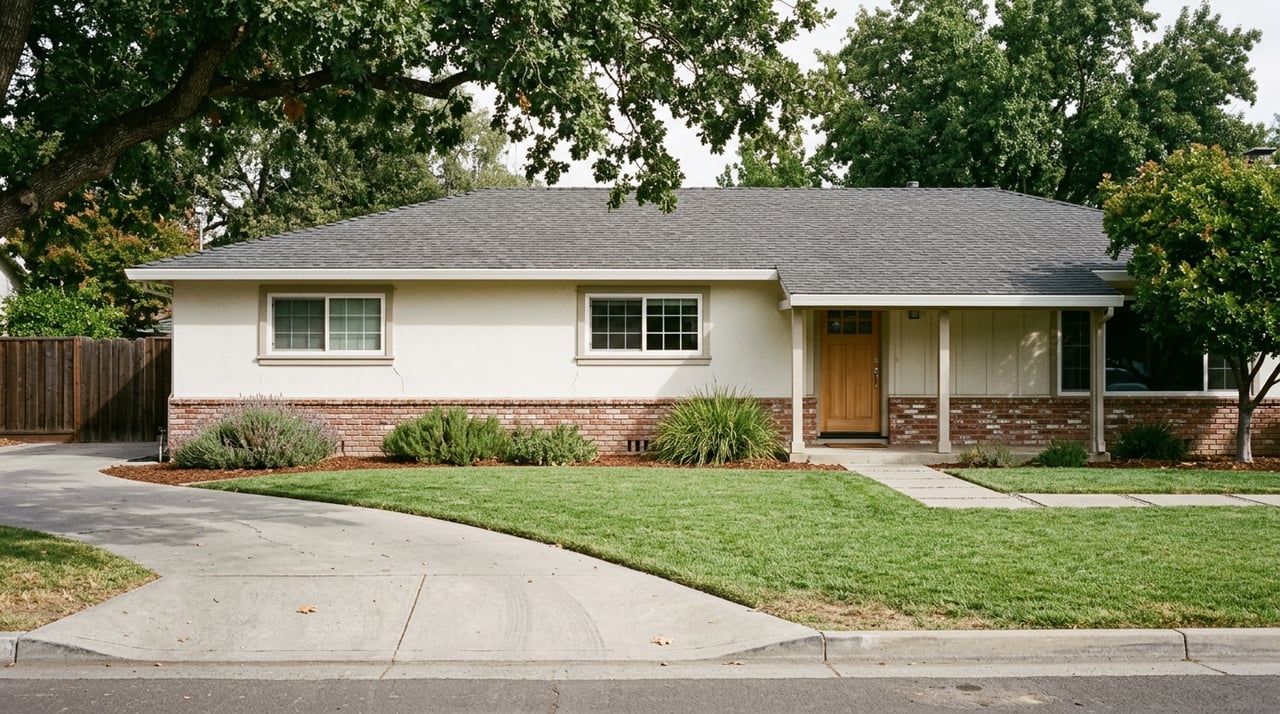
Are you torn between the shine of a brand-new home and the character of an established Tracy neighborhood? You are not alone. With different build eras, lot sizes, and amenity sets across the city, it can be hard to know where your lifestyle and budget fit best. In this guide, you’ll compare Tracy’s newer master-planned areas with its long-standing neighborhoods, including how they differ on home age, yards, parks and shopping, schools, commute, and pricing. Let’s dive in.
Citywide, the median sale price in Tracy was about 652,000 as of January 2026. That number gives you a baseline, but there is a wide spread by neighborhood based on age, location, and amenities. Some newer, higher-amenity pockets trade above the city median while older, mid-market areas can come in closer to it. Use the sections below to match features with your priorities before you set your search range.
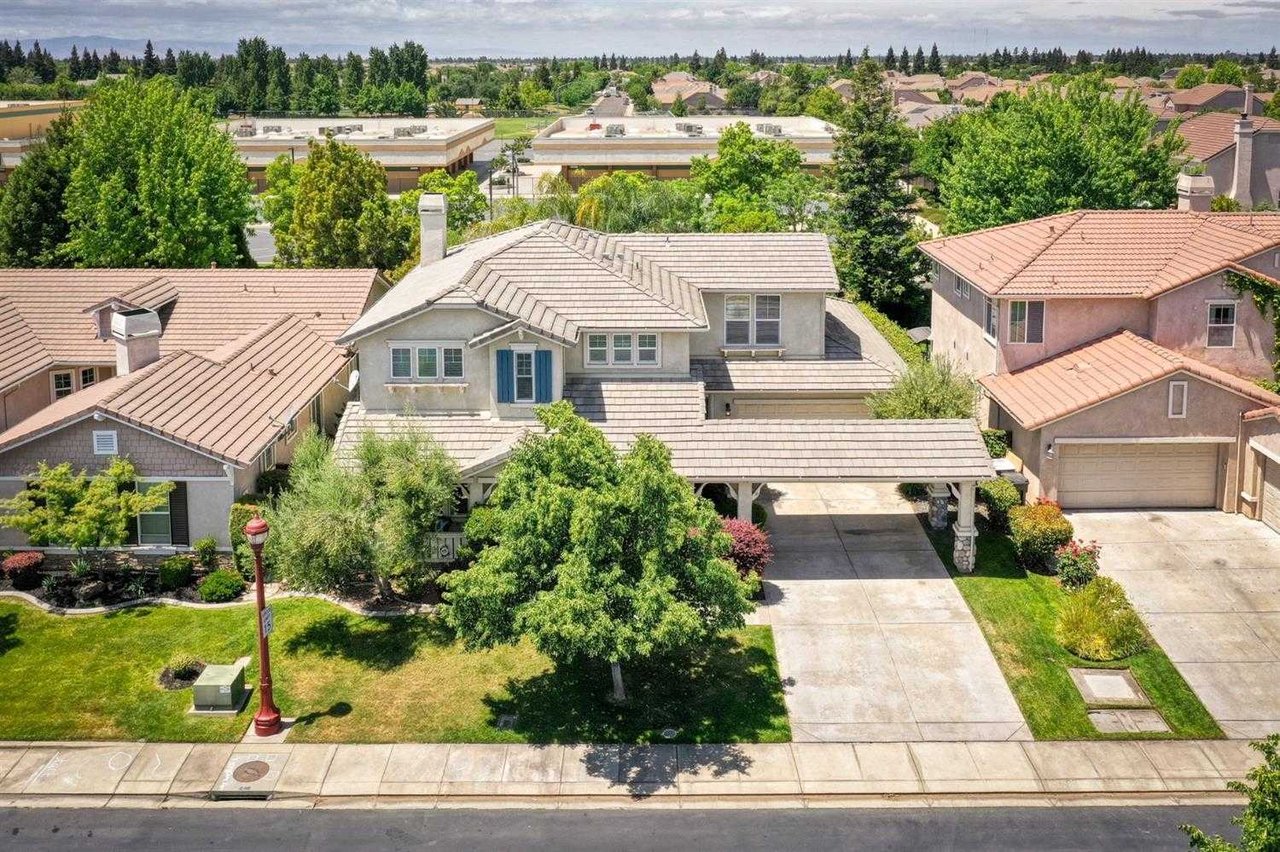
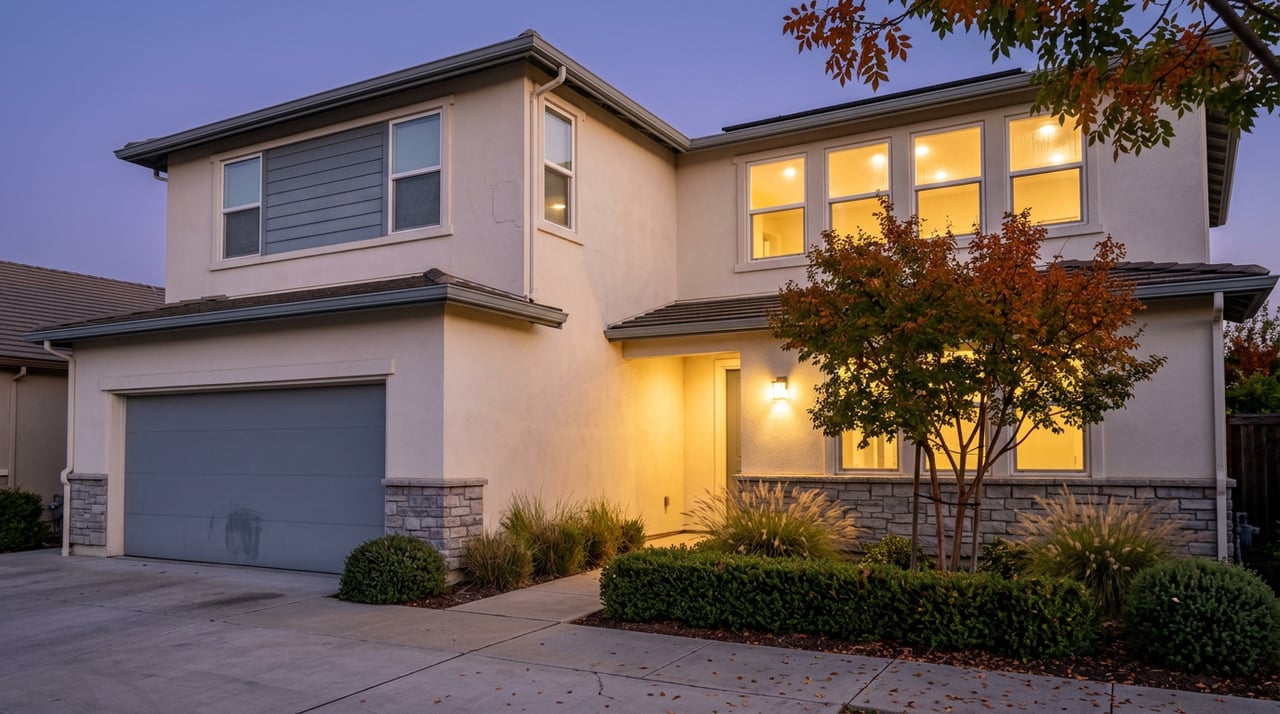
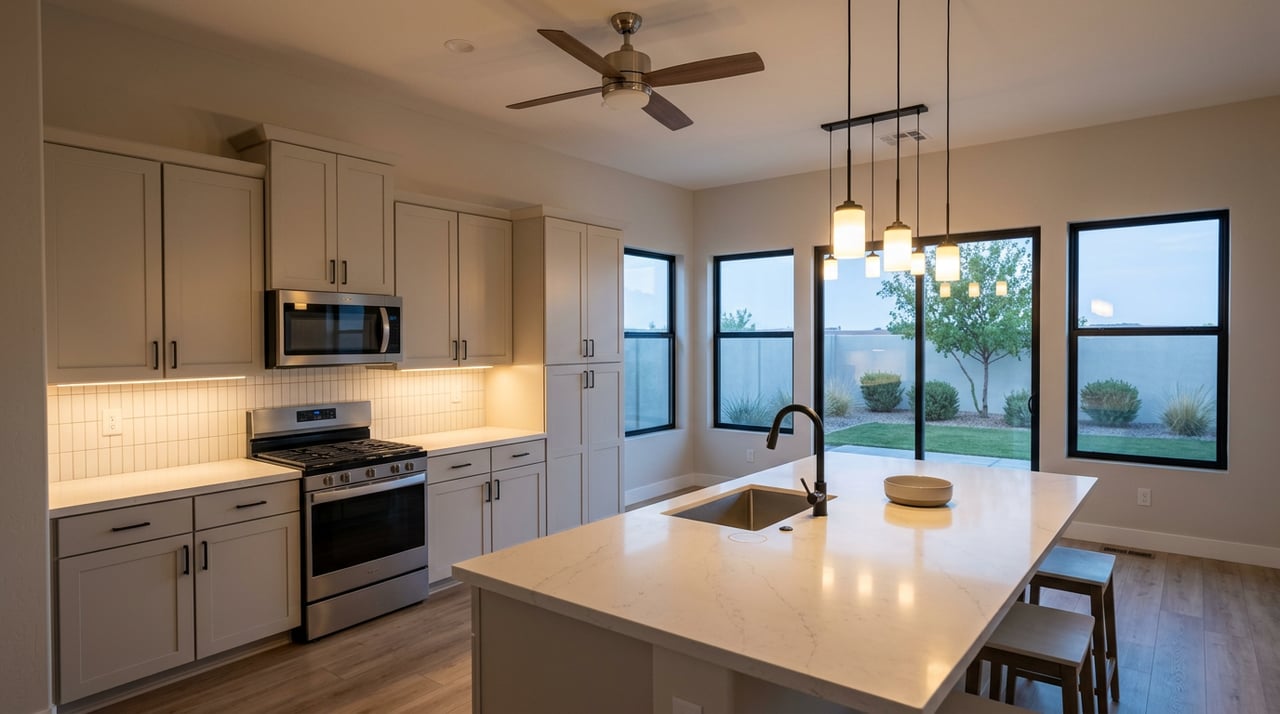
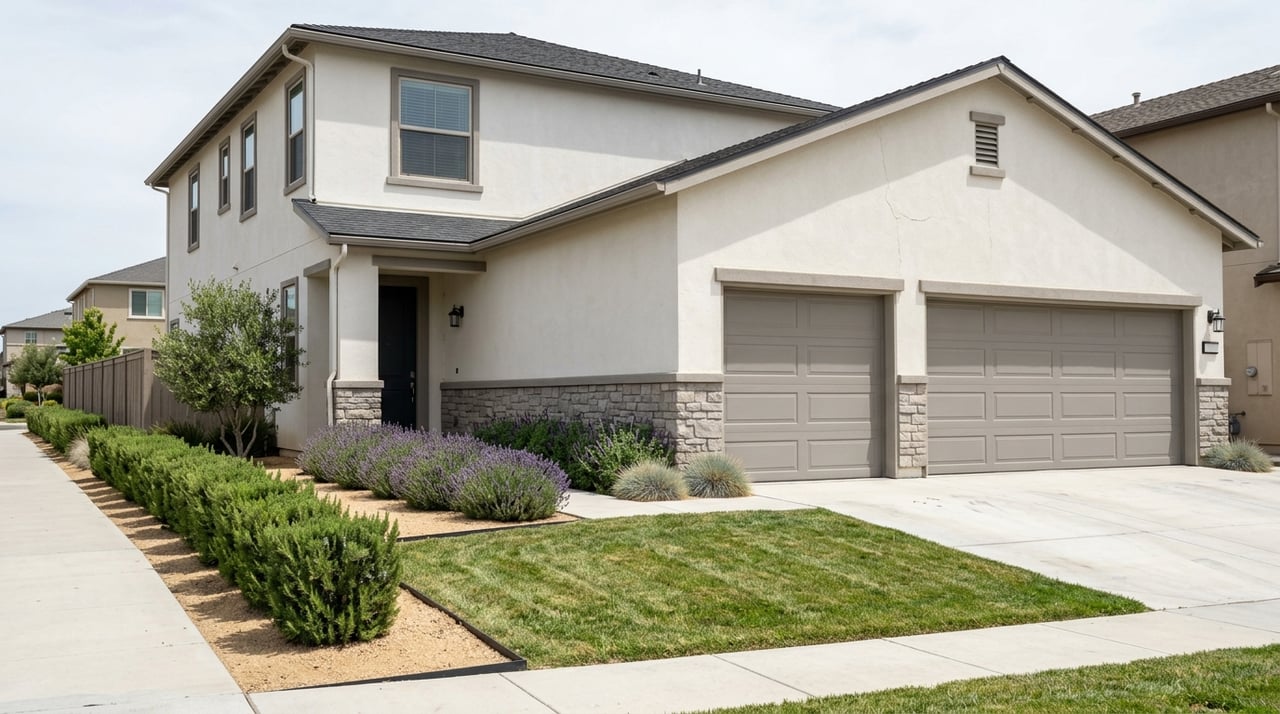
Newer planned communities in and around Tracy focus on modern floorplans, energy-efficient construction, and neighborhood amenities. Plans often include a mix of housing types, trails, parks, and a small retail center so you can handle basics close to home. The approved plan for Tracy Hills, for example, organizes land by residential densities with village-center commercial and open space, and it is built in phases. You can review the plan details in the Tracy Hills Specific Plan materials.
Amenities in these areas roll out on a timeline as builders deliver each phase. Recent planning actions, such as a Phase 1C approval covering hundreds of lots and design standards, show how phases move forward over time. If you like the idea of a brand-new home with an evolving set of nearby amenities, newer master-planned areas can be a strong fit. You can track recent phase approvals in local coverage like the Phase 1C planning summary.
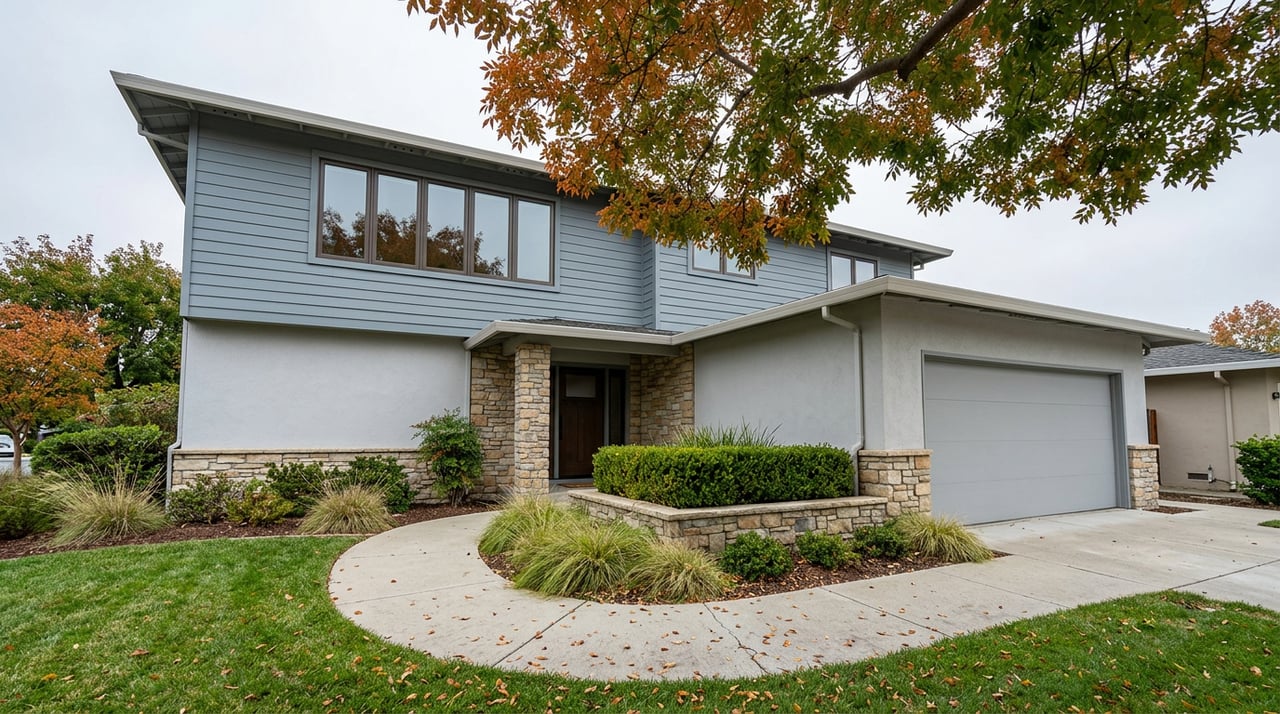
Established neighborhoods in Tracy include a wide range of homes built from the mid-1900s through the 1990s. You will see single-story ranches, Spanish- and Mediterranean-influenced designs, Craftsman-influenced tract homes, and late-20th-century two-story models. These areas typically offer mature trees, larger yards in many tracts, and an already-built network of parks and small commercial nodes.
Downtown Tracy and the central grid provide historic character and quick access to civic amenities. You can explore the local museum and nearby events as an example of the area’s established community fabric by visiting the Tracy Historical Museum page. In suburban tracts, listings often highlight proximity to community parks such as Encinal Park or Las Palmas Park. Here is one neighborhood example that notes nearby parks in its description: MLSListings example near Encinal and Las Palmas parks.
If yard size is a top priority, pay close attention to lot patterns. Established neighborhoods frequently include larger parcels and mature trees, which provide space for gardens, pets, or outdoor entertaining. Newer planned areas often use smaller lots on average so the community can provide more shared amenities and diverse housing types.
Tracy Hills is a good example of built-in variety. The plan organizes land into low-, medium-, and high-density residential districts, plus village-center commercial and open space. That means yard sizes and product types change by phase. If a larger yard matters to you, focus on specific phases or builder lines that offer that feature, and confirm final dimensions in the plan materials for Tracy Hills.
Newer master-planned neighborhoods are designed to include on-site parks, trails, and planned schools, along with a village-center retail node so daily errands are convenient. That infrastructure rolls out alongside homebuilding, so timing can vary by phase. You can see this approach described in the Tracy Hills Specific Plan documents.
Established areas already have community assets in place. City parks, sports complexes, and civic venues are woven into the neighborhood fabric, with retail along established corridors. As one listing example notes, some homes sit close to Encinal Park and Las Palmas Park for quick access to green space: property example highlighting nearby parks.
About schools: most of Tracy is served by Tracy Unified School District, while some areas near Mountain House and southeast Tracy can fall within Lammersville or Jefferson boundaries. School attendance zones can be the deciding factor for many families. Always verify the assigned schools for a specific address with the district. For a starting point, see the Tracy Unified School District location page.
Tracy sits at the I‑205, I‑580, and I‑5 triangle. I‑205 connects I‑5 to I‑580, and I‑580 over the Altamont Pass is the primary route toward Livermore, Dublin, Pleasanton, and BART for many Bay Area commuters. These corridors shape commute convenience for every neighborhood in the city. For an overview of this regional geometry, review the I‑205/I‑580 corridor context.
For transit, the Altamont Corridor Express (ACE) serves the region with stations used by Tracy-area commuters. Looking ahead, the Valley Link rail project plans a connection between Dublin/Pleasanton BART and the Mountain House area, with an operations and maintenance facility planned in the Tracy area. Service timelines are phased and subject to change, so transit-oriented buyers should track official updates on the Valley Link project site.
Use the city median of about 652,000 as a starting point, then compare neighborhood types. Newer, higher-amenity planned areas and certain post‑2000 subdivisions show higher median values in parts of Tracy, while older established areas can vary based on condition, lot size, and proximity to amenities. For a neighborhood-level data point in a newer pocket, review Santos Ranch on NeighborhoodScout.
Keep in mind that per-square-foot pricing often runs higher in recently built homes with strong amenity sets. Established areas may offer more space for the dollar, especially if you value larger yards or are open to doing selective updates.
Use this checklist to align your search with your top priorities.
Both paths have clear strengths. Newer master-planned areas give you modern floorplans, fresh infrastructure, and designed-in amenities. Established neighborhoods give you character, mature trees, and often larger yards with quick access to existing parks and downtown civic life. The right choice comes down to how you balance space, convenience, commute, schools, and budget.
If you want a local sounding board who knows Mountain House and Tracy block by block, reach out to Refined Real Estate. We will help you compare live listings, verify school boundaries, and map commute and amenity tradeoffs so you can buy with confidence.

Refined Real Estate intends to make your next home purchase or sale successful and stress-free. Regardless of your goals, our team is committed to guiding you through the home buying and selling processes with honesty, integrity, and clarity.
We’re expert communicators, negotiators, and marketers, but above all, we’re down-to-earth professionals. As Bay Area natives and Central Valley residents, we know the ins and outs of every neighborhood, county, and district as only locals can. Leveraging our expert knowledge, expansive network, and the latest industry technology, we get desirable results for you every time. With many of our new clients coming from referrals and our past clients continuing to utilize our services, our results speak for themselves.
Our Tri-Valley and Mountain House Realtors work to cultivate a lifelong business relationship with you, so we ensure you know that our service goes beyond the transaction. Your calls and emails will never go unanswered, and we’ll never overpromise or underdeliver.
Stay up to date on the latest real estate trends.
The Refined Real Estate team offers unparalleled expertise to the Mountain House market, with 58 years of combined experience and over $250 million in sales. As true Mountain House real estate experts, we pride ourselves on a deep understanding of the local community and market trends. Our proven track record reflects our dedication to helping clients find not just a house, but a home. When you work with us, you’re choosing a team committed to your success and satisfaction every step of the way.