Appraisal Gap Strategies For San Ramon Sellers

Worried your San Ramon buyer will love your home more than the appraiser does? You are not alone. Even in a cooler market, appraisal gaps can pop up and put a strong offer at risk. In this guide, you will learn exactly how appraisal gaps happen here, how to prevent them, and what to do if one lands on your desk. Let’s dive in.
An appraisal gap is the difference between your contract price and the lender’s appraised value. Lenders base the loan amount on the appraisal, so any shortfall must be handled by buyer cash, a seller concession, a change to the loan structure, or a renegotiated price.
In the Bay Area’s 2020 to 2022 surge, gaps were common. As rates rose in late 2022 and through 2023–2024, the frequency dropped, but gaps still occur in San Ramon when homes are priced aggressively or located in high-demand neighborhoods. Local dynamics that influence appraisals include the draw of areas near Dougherty Valley and Windemere, a mix of newer planned communities and older resales, and HOA features, lot premiums, or permitted improvements that must be well documented for appraisers.
Appraisers estimate market value using recent nearby sales, then adjust for size, condition, lot, and upgrades. In fast-moving pockets, your list and negotiated price might reflect newer data than the appraiser’s comp set. Unique features such as a premium view, a larger lot, or a custom remodel can be hard to quantify.
Buyer behavior can also create gaps. In competitive moments, buyers sometimes bid beyond what comparable sales support. Gaps can also stem from missing documentation for upgrades, or from an appraiser unfamiliar with hyperlocal differences within San Ramon’s micro-neighborhoods.
Strong preparation reduces surprises and helps you defend value.
You can order a pre-listing appraisal or a broker price opinion to anchor pricing with an unbiased baseline. This can strengthen your pricing story and help you anticipate risk. It does come with a cost and may not match future comps if the market shifts.
Work with your agent to select a list price supported by recent, relevant local sales. Make sure your listing remarks and disclosures call out the specific value drivers that comps also reflect. Keep an eye on pending sales that could close during escrow and support value.
Create a simple “seller comp pack” that an appraiser can use:
When offers arrive, prioritize buyers with substantial down payments, clear proof of funds, and strong pre-approvals that show healthy cash reserves. All-cash buyers remove appraisal risk. You can also encourage terms that address gaps directly, such as an appraisal gap guarantee.
The right contract structure can protect your net proceeds.
An appraisal gap guarantee is when a buyer commits to bring additional cash if the appraisal is short. It can be a fixed dollar amount or a cap, such as up to a set amount over the appraised value. This does not change the lender’s appraisal; it clarifies how the shortfall will be covered.
Ask for clear proof of funds and be mindful that any buyer promise still must meet lender rules and underwriting. A guarantee from a buyer without sufficient liquidity can create closing risk.
A buyer who waives the appraisal contingency gives up the right to cancel due to a low appraisal. They still need the cash to close the gap. This can firm up your deal but may limit the buyer pool and raise the risk of default if the buyer’s funds are not truly available.
If you are reviewing offers with escalation clauses, favor the ones that include a stated cash coverage amount for a possible appraisal gap. This pairs competitive bidding with a plan for value shortfalls.
Request verification of funds, including reserves beyond the down payment. Sellers commonly prefer a buyer profile that has more cushion so there is less risk of cancellation.
You still have a range of options.
Have your agent prepare a focused comp packet that includes relevant recent sales and pending transactions, photos, permits, and clear explanations for any adjustments. The buyer’s lender submits this packet to the appraiser for a reconsideration of value. The appraiser then reviews and may adjust the opinion.
A common solution is to split the difference. You reduce the price partially, and the buyer brings additional cash to cover the remainder of the gap. This keeps the deal alive while protecting both sides.
If the buyer has sufficient funds, they can increase their down payment or use eligible gift funds to cover the entire shortfall, subject to lender rules.
You can provide a credit to offset the buyer’s costs. Keep in mind that concessions are limited by underwriting rules and are typically tied to the appraised value and loan type.
Some lenders will order a second appraisal or a review appraisal. This is at the lender’s discretion and usually reserved for specific circumstances.
If an appraisal contingency exists and no agreement is reached, the buyer may cancel under the contract. You can return to the market and adjust strategy.
You can offer to finance the difference with a second note or carryback, if allowed by the primary lender and state rules. This is more complex and should align with lender and legal requirements.
Time matters. Move quickly and document everything.
Every choice has pros and cons. Weigh them against your risk tolerance and timing.
Standard California purchase contracts include loan and appraisal-related contingencies and timelines. The rights and dates you work with depend on what you and the buyer sign. Your disclosure duties still apply, including transfer disclosures and any known permit information.
Concessions and credits are subject to underwriting limits that vary by loan type. Lenders do not increase the loan above the appraised value, so any amount over that value must be covered by the buyer or structured through a compliant second position if available.
Use this to stay organized from listing to closing.
A great appraisal outcome starts well before the appraiser arrives. With the right prep, clear documentation, and strong terms, you can protect your sale price and keep your closing on track in San Ramon. If you want a tailored strategy and a pricing plan that anticipates appraisals, our team is ready to help.
Request a free, data-backed valuation and a listing plan built for the Tri‑Valley market with Refined Real Estate.

Refined Real Estate intends to make your next home purchase or sale successful and stress-free. Regardless of your goals, our team is committed to guiding you through the home buying and selling processes with honesty, integrity, and clarity.
We’re expert communicators, negotiators, and marketers, but above all, we’re down-to-earth professionals. As Bay Area natives and Central Valley residents, we know the ins and outs of every neighborhood, county, and district as only locals can. Leveraging our expert knowledge, expansive network, and the latest industry technology, we get desirable results for you every time. With many of our new clients coming from referrals and our past clients continuing to utilize our services, our results speak for themselves.
Our Tri-Valley and Mountain House Realtors work to cultivate a lifelong business relationship with you, so we ensure you know that our service goes beyond the transaction. Your calls and emails will never go unanswered, and we’ll never overpromise or underdeliver.
Stay up to date on the latest real estate trends.
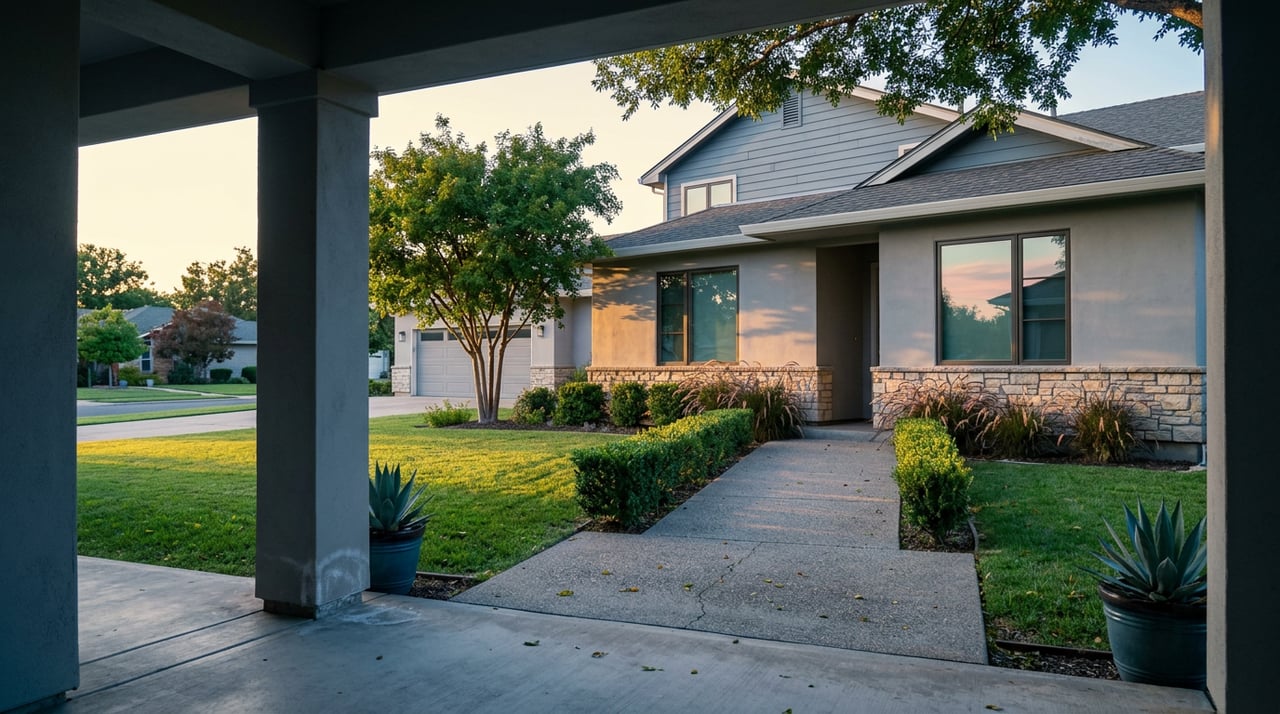
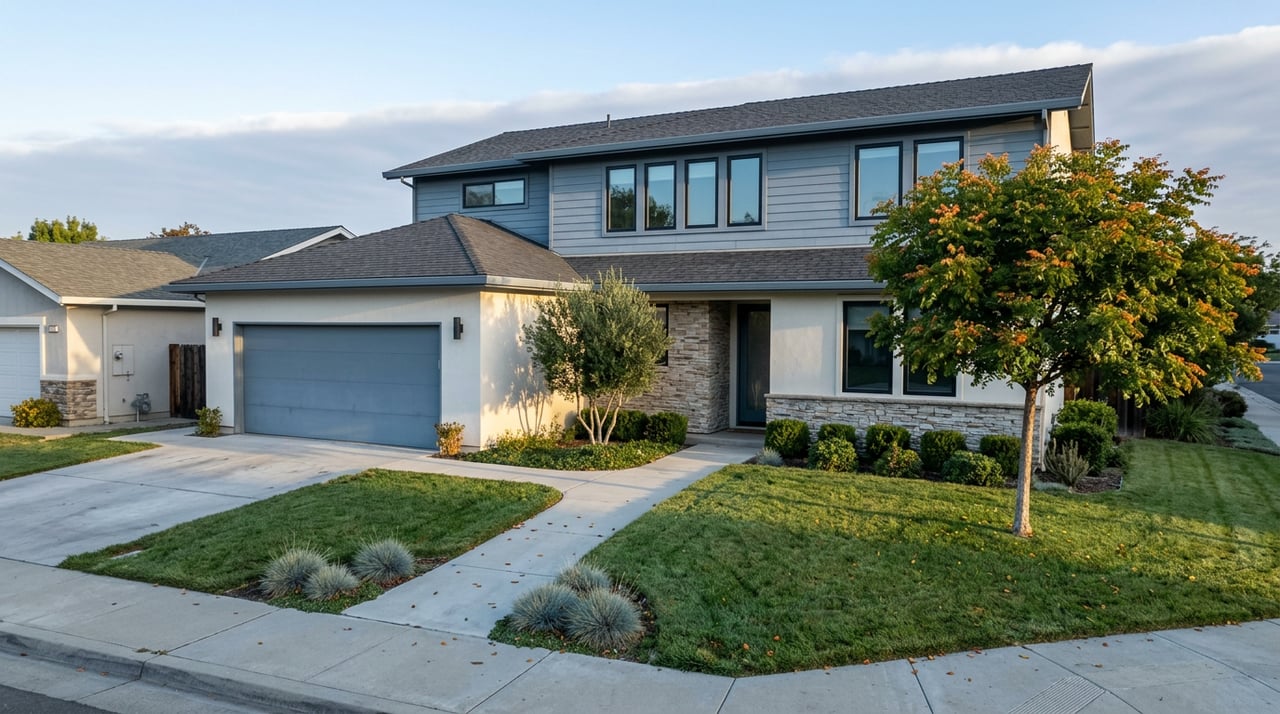
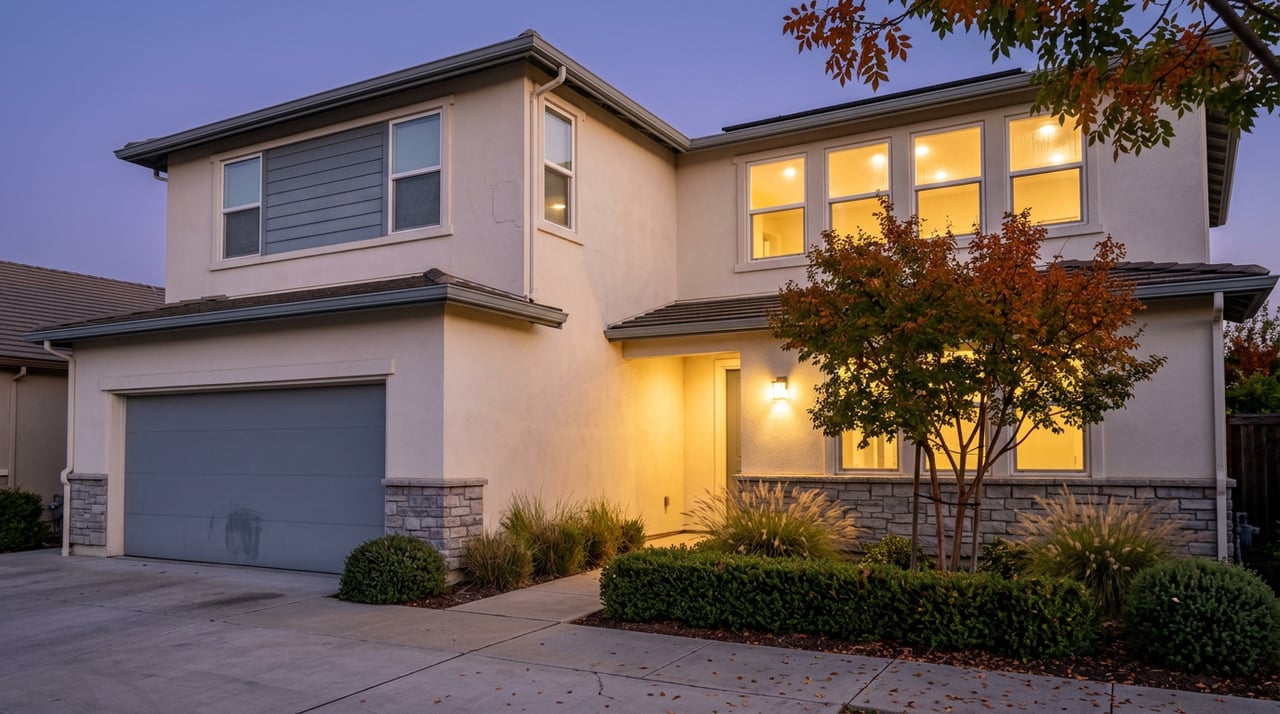
The Refined Real Estate team offers unparalleled expertise to the Mountain House market, with 58 years of combined experience and over $250 million in sales. As true Mountain House real estate experts, we pride ourselves on a deep understanding of the local community and market trends. Our proven track record reflects our dedication to helping clients find not just a house, but a home. When you work with us, you’re choosing a team committed to your success and satisfaction every step of the way.