Preparing To Sell A Fremont Townhome Or Condo
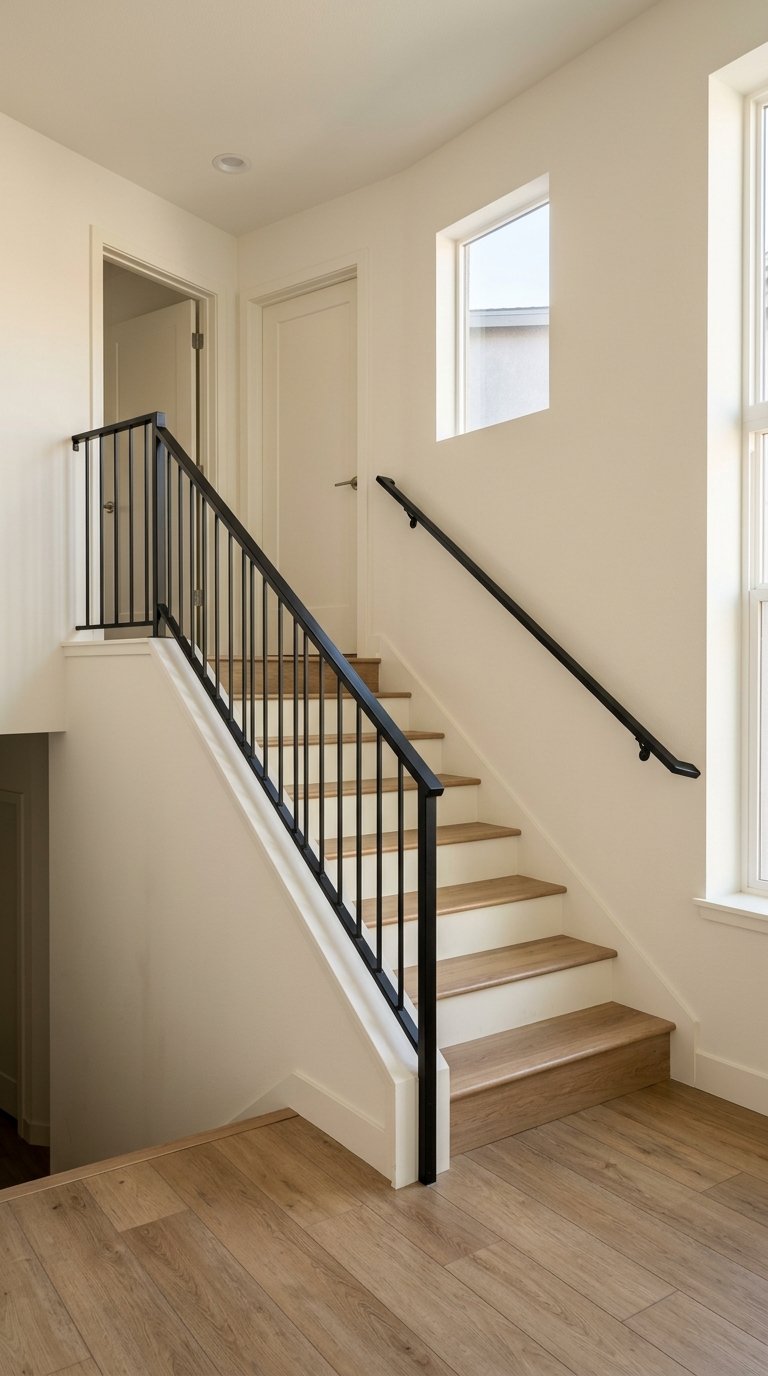
Wondering why some Fremont condos and townhomes sell quickly while others sit? In attached housing, buyers look beyond your interior finishes and study the HOA, monthly costs, parking, storage, and community details just as closely. If you plan to sell within the next year, a smart prep plan can help you avoid surprises, price with confidence, and present your home more clearly from day one. Let’s dive in.
Selling a Fremont townhome or condo is not exactly the same as selling a detached house. In California, these sales are typically handled as common-interest-development transactions, and the legal structure of the property shapes the disclosures and HOA documents buyers will expect.
That is why one of the first steps is confirming whether your home is legally part of a condominium project or a planned development. That distinction affects the HOA packet and many of the questions that can come up during escrow.
Fremont’s attached-home market has also stayed fairly disciplined. Bay East reported that in April 2026, Fremont had 133 active attached-home listings, about 4.5 months of inventory, 30 sales, a median sale price of $825,000, average days on market of 26, and average sale-to-list performance of 101%.
For you as a seller, that means preparation still matters. Buyers are active, but strong results usually come from accurate pricing, clean presentation, and complete information.
One of the biggest mistakes attached-home sellers make is waiting until a buyer shows up before ordering HOA documents. California law requires the HOA to provide requested documents within 10 days of a written request, and the association can charge a reasonable fee based on actual cost.
That timeline is exactly why early preparation helps. If you order the packet before listing, you can review it, fix issues where possible, and answer buyer questions more confidently.
If you already have current copies of required HOA documents, those can be given to the buyer at no cost. Even so, it is wise to confirm that everything is current and complete before your home hits the market.
Your HOA disclosure package should include key documents that buyers often review closely:
If your home is in a condominium project, the annual budget report also includes reserve and insurance information, along with FHA and VA certification status. That can matter a lot to buyers who need financing flexibility.
For a Fremont condo or townhome, the annual budget report is more than a formality. It gives buyers a window into how the HOA is managing shared assets and future costs.
This report can show reserve levels, the reserve funding plan, whether the board has deferred major repairs, whether special assessments are expected, whether the HOA has significant loans, and the association’s insurance summary. In a condo project, it also states whether the project is FHA-approved and VA-approved.
Before you list, take time to understand what this report says about your community. If buyers ask about reserves, repairs, or insurance, you want clear and accurate answers rather than guesswork.
If your community has balconies or other exterior elevated elements, the latest required inspection report may appear in the disclosure package. Buyers may pay close attention to that report because it can point to safety concerns or future repair obligations.
This does not automatically mean a sale will be harder. It does mean you should know what the report says and be prepared to explain any next steps already approved by the HOA.
When buyers shop for attached housing in Fremont, they usually compare total monthly cost, not just purchase price. HOA dues, reserve health, insurance deductibles, special assessments, and unresolved violations can all influence how comfortable a buyer feels making an offer.
That is especially true in a market where homes are still selling close to list price. If your home is priced well but the HOA details raise questions, buyers may hesitate or ask for more concessions.
For condominium projects, FHA and VA approval status can make a difference. California disclosure rules require this information to be included in the HOA materials for condo projects.
If your project is FHA-approved or VA-approved, that may expand the pool of buyers who can consider your property. If it is not, your marketing and pricing strategy may need to reflect a narrower financing audience.
In attached housing, parking and storage are often part of the value buyers are really purchasing. California guidance explains that common area can be owned or controlled by the HOA, and exclusive-use common area may include private yards, driveways, and parking spaces.
That is why you should be precise about whether parking is assigned, tandem, garage-based, guest-accessible, or exclusive-use. The same goes for storage. If your home includes deeded, assigned, or exclusive-use storage, confirm the legal right to use it before marketing it.
Many sellers worry that HOA dues will turn buyers away. In reality, dues are easier for buyers to accept when they understand what the money supports.
If the HOA maintains amenities or shared spaces, your listing should explain that clearly and factually. The annual budget and insurance disclosures help show that the dues support real maintenance, shared assets, and ongoing operations rather than existing as a vague extra fee.
This is where strong listing preparation can pay off. Instead of leaving buyers to assume the worst, you can present a more complete picture of your home’s monthly cost and daily-use benefits.
When preparing to sell, avoid treating key cost items as an afterthought. Buyers may ask detailed questions, and the answers should match the official disclosure packet.
Pay close attention to:
California requires a statement describing any governing-document prohibition on leasing. That means buyers looking for future flexibility may notice rental rules right away, even if they plan to owner-occupy at first.
If you are planning ahead, a structured timeline can make the process much smoother. Here is a practical way to break it down over the next 12 months.
Start by reviewing your CC&Rs, annual budget report, reserve summary, insurance summary, rental rules, and any open notices or repair items. This is the right time to confirm whether your home is part of a condo project or a planned development.
You should also begin noting features buyers will likely compare, such as parking, storage, patios, balconies, and any exclusive-use outdoor areas. Having those details clear early helps avoid marketing mistakes later.
Use this stage to resolve HOA violations if possible and gather any inspection records that may come up during escrow. If there are open fines, unresolved notices, or repair issues, addressing them now can reduce stress later.
This is also the time to shape your feature story. Decide which practical benefits should stand out, such as garage parking, guest parking, extra storage, or amenities maintained by the HOA.
As you get closer to market, finalize presentation and marketing. Professional photography, staging, and polished listing remarks can make a strong difference in Fremont’s attached-home market, especially when buyers are still paying around list price or slightly above on average.
Make sure every public-facing detail matches the HOA facts exactly. Accuracy matters, and clear marketing helps buyers feel more confident about what they are seeing.
With a median attached-home sale price of $825,000 in Fremont and average sale-to-list performance at 101% in April 2026, it can be tempting to assume the market will do the heavy lifting. But disciplined markets tend to reward the homes that show best and make financial sense on paper.
If your condo or townhome is well presented, correctly priced, and backed by complete HOA information, buyers can move forward with fewer doubts. That often creates a smoother path from showings to offers to escrow.
For attached homes, preparation is not just cosmetic. It is operational, financial, and strategic.
If you are thinking about selling your Fremont townhome or condo, working with a team that understands both pricing strategy and attached-home details can help you move with more confidence. To plan your next steps, connect with Refined Real Estate.
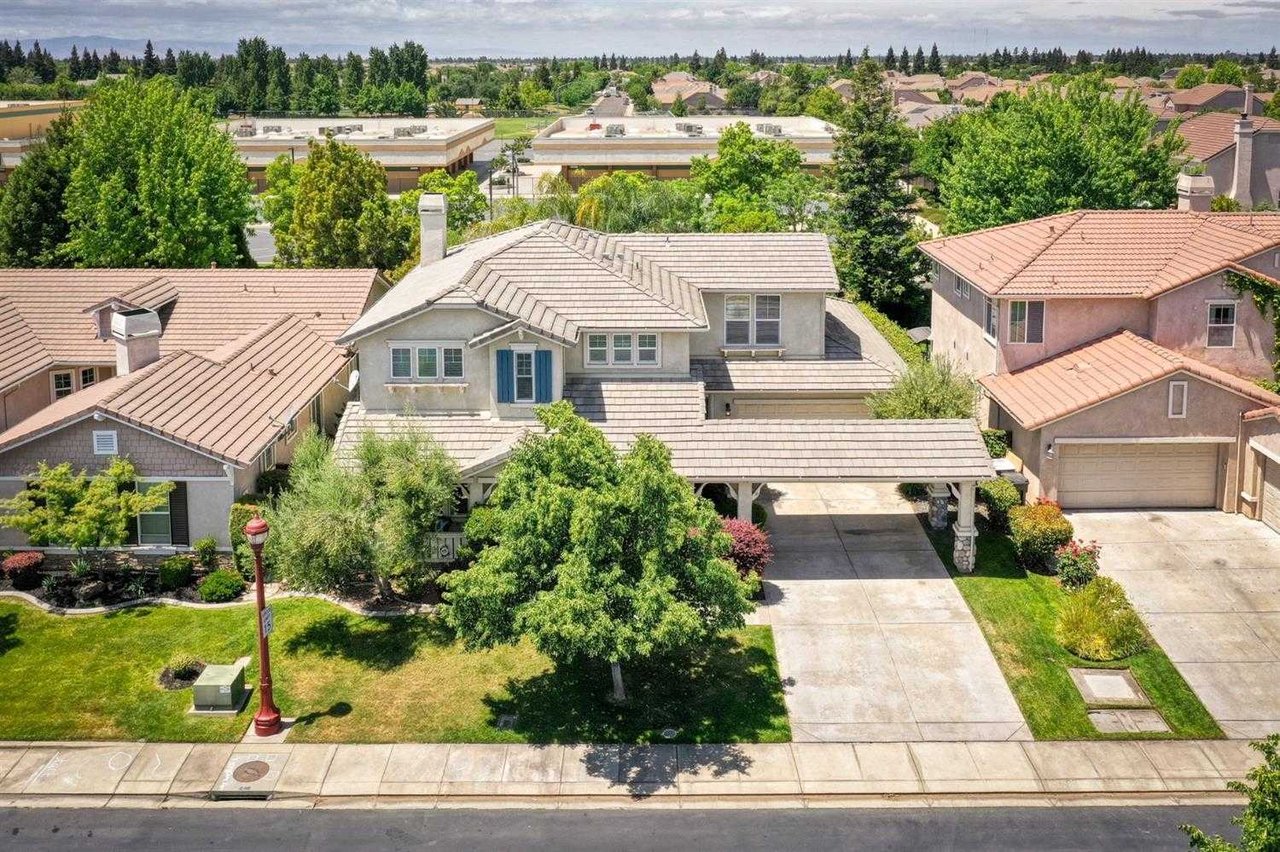

Refined Real Estate intends to make your next home purchase or sale successful and stress-free. Regardless of your goals, our team is committed to guiding you through the home buying and selling processes with honesty, integrity, and clarity.
We’re expert communicators, negotiators, and marketers, but above all, we’re down-to-earth professionals. As Bay Area natives and Central Valley residents, we know the ins and outs of every neighborhood, county, and district as only locals can. Leveraging our expert knowledge, expansive network, and the latest industry technology, we get desirable results for you every time. With many of our new clients coming from referrals and our past clients continuing to utilize our services, our results speak for themselves.
Our Tri-Valley and Mountain House Realtors work to cultivate a lifelong business relationship with you, so we ensure you know that our service goes beyond the transaction. Your calls and emails will never go unanswered, and we’ll never overpromise or underdeliver.
Stay up to date on the latest real estate trends.

Discover where local families go for trick-or-treating, Halloween decorations, full-size candy bars and community events in Mountain House.
The Refined Real Estate team offers unparalleled expertise to the Mountain House market, with 58 years of combined experience and over $250 million in sales. As true Mountain House real estate experts, we pride ourselves on a deep understanding of the local community and market trends. Our proven track record reflects our dedication to helping clients find not just a house, but a home. When you work with us, you’re choosing a team committed to your success and satisfaction every step of the way.