Newer vs Established Neighborhoods In Pleasanton
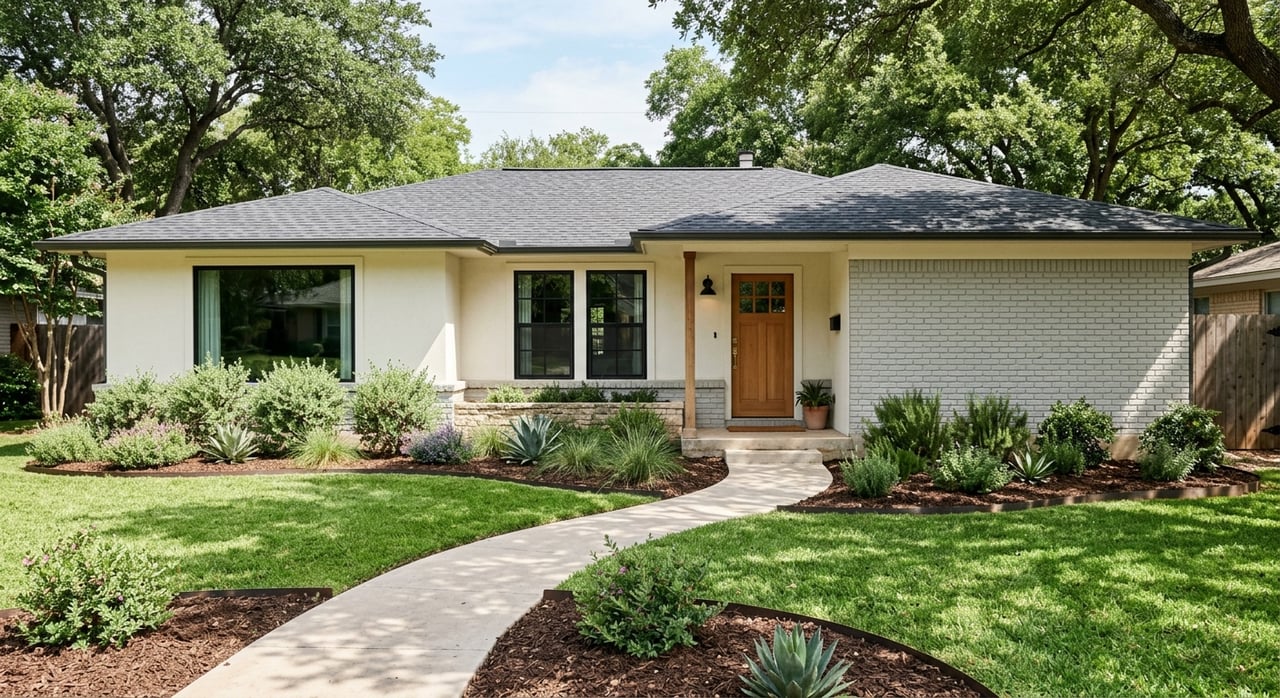
Wondering whether a newer home or an established neighborhood makes more sense in Pleasanton? You are not alone. In a city where the median owner-occupied home value is $1,537,100 and the housing stock is largely built out, this choice can shape your budget, maintenance costs, commute, and daily lifestyle in a big way. This guide breaks down the real trade-offs so you can decide what fits your goals best. Let’s dive in.
Pleasanton is not a market with endless brand-new subdivisions to choose from. City planning documents show that Pleasanton is a mature suburban city, and most future housing growth is expected through infill, redevelopment, and transit-oriented development near BART rather than large-scale outward expansion.
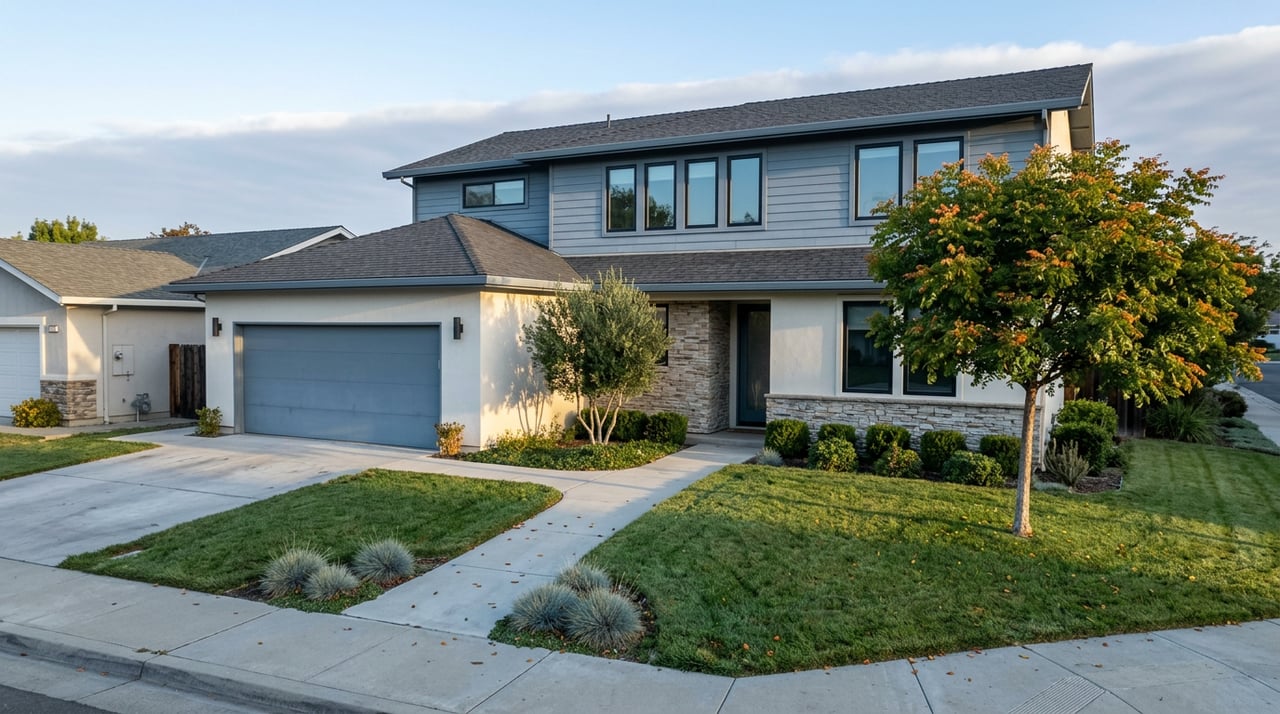
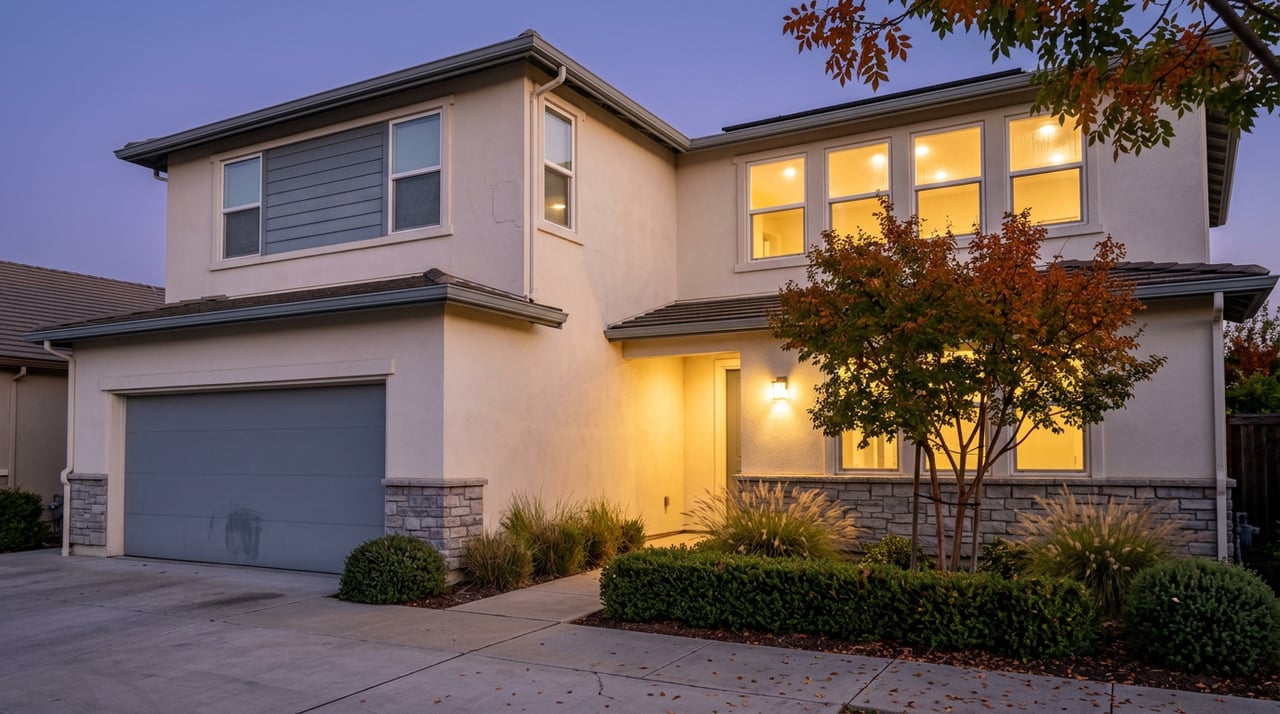
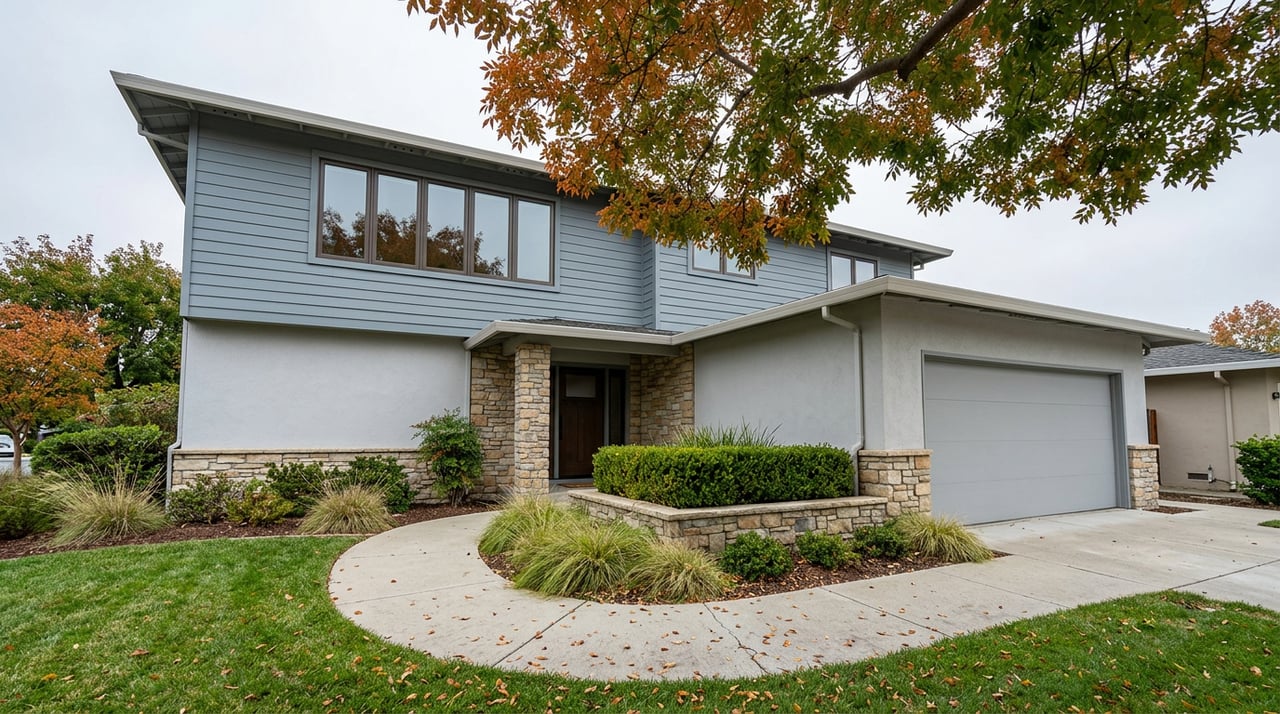
That matters because “newer vs established” in Pleasanton is usually not a simple age comparison. More often, you are comparing newer townhome or condo-style communities in areas like Hacienda or near transit corridors with older detached homes in more established residential areas, including neighborhoods around downtown.
In Pleasanton, newer construction tends to come in smaller, project-specific communities. Positas Park, described as Pleasanton’s newest community, includes 110 townhomes in Hacienda between downtown and the BART station, with bike and pedestrian connections to the Arroyo Mocho Trail.
Another example is Harmony, a newer townhome-style condo community with three- and four-bedroom plans ranging from about 1,407 to 2,328 square feet. These communities reflect the kind of new housing you are more likely to find in Pleasanton today.
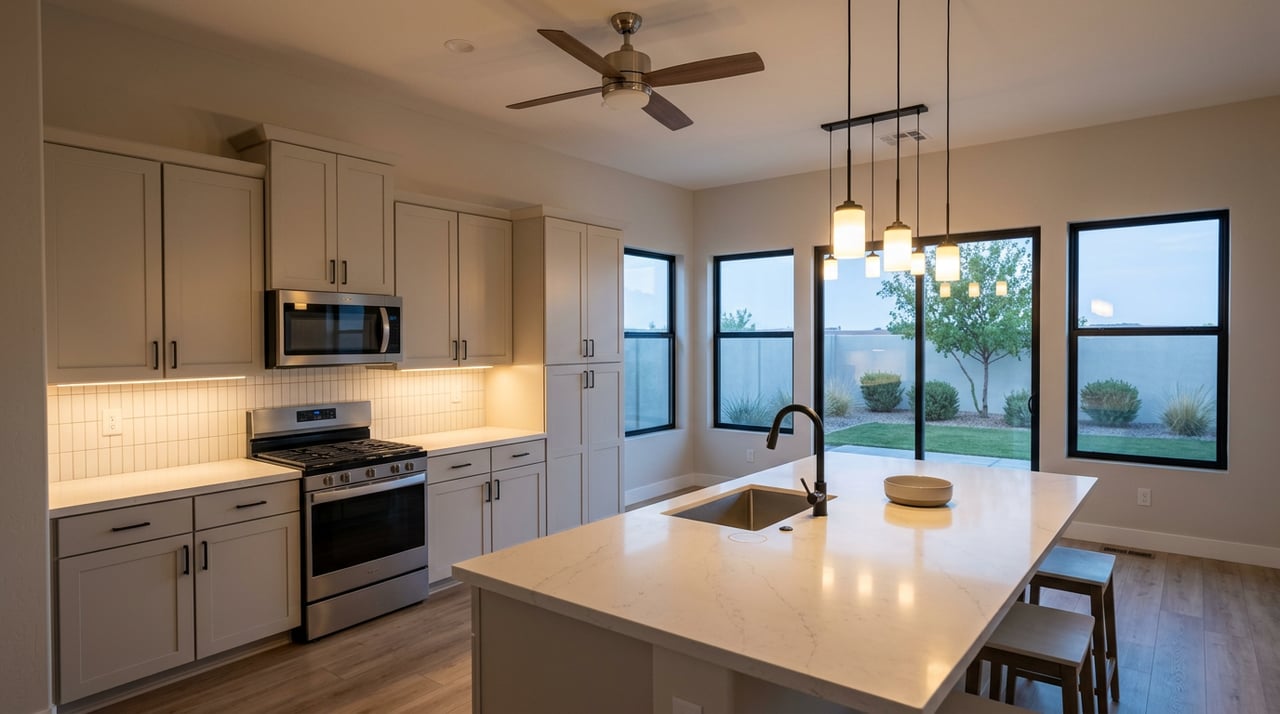
Many newer communities are designed around open-concept layouts, energy efficiency, and lower-maintenance living. If you want a home that feels more move-in ready and less likely to need near-term updates, newer construction can be appealing.
This can be especially useful if you have a busy schedule or simply do not want to take on renovation projects right away. In a higher-cost market like Pleasanton, reducing surprise maintenance can be a major advantage rather than a minor perk.
Pleasanton has strong transit and job anchors, including two BART stations along I-580 and an ACE rail station at the Alameda County Fairgrounds. The city also points to Hacienda as a major business park with 630 companies and 16,000 employees.
Because much of the newer product is located in Hacienda, Stoneridge, or near BART corridors, newer homes can be a strong fit if commute access is high on your list. Depending on the specific location, you may be closer to transit, employment centers, and retail services.
Newer does not always mean easier in every way. Many newer communities come with HOA dues, community rules, and parking or exterior-use standards that you will want to review closely.
Before you move forward, check the HOA budget, CC&Rs, amenity coverage, and any restrictions that could affect how you use the property. In Pleasanton, that part of the decision is especially important because newer inventory is often attached housing rather than detached homes on larger lots.
Established Pleasanton neighborhoods tend to deliver a different kind of value. The city’s planning framework places strong emphasis on preserving the scale and character of historic downtown and nearby older residential areas, and Pleasanton has recognized more than 80 individual buildings as historically significant.
For you as a buyer, this often translates into more architectural variety, more traditional street patterns, and a neighborhood feel that has developed over time. If you care about character and a less uniform look, established areas may stand out quickly.
Downtown Pleasanton remains one of the city’s strongest lifestyle centers. The city describes it as the community’s vibrant heart, with more than 550 unique businesses in and around the historic district.
That can mean easier access to Main Street amenities and a more walkable daily routine, depending on the exact home location. For some buyers, that convenience and atmosphere outweigh the appeal of newer finishes.
Older neighborhoods in Pleasanton are more likely to include detached homes and a wider range of floor plans from different eras. You may also find more individualized lots, mature landscaping, and less of the same-home-next-door effect that can happen in newer communities.
That variety can be a real plus if you want outdoor space or a home with a more distinct look. At the same time, the trade-off is that condition can vary a lot from one property to another.
With established homes, inspections and repair planning matter more. Older systems, deferred maintenance, and past remodel quality can all affect your true cost of ownership.
That does not mean older homes are a worse option. It simply means you should go in with a clearer eye on system age, likely updates, and how much renovation budget you are comfortable carrying after closing.
When buyers weigh newer versus established neighborhoods in Pleasanton, a few factors usually rise to the top.
Newer homes often lean toward open-concept living, flexible gathering spaces, and more contemporary finishes. Established homes are more likely to offer traditional layouts and a broader mix of design styles.
If you want a modern, turnkey feel, newer may check more boxes. If you prefer character and are open to personal updates, established homes may offer more personality.
Newer communities often trade yard size for efficiency and lower upkeep. Established neighborhoods may offer more individualized outdoor space and mature landscaping, although lot patterns vary by area.
Think honestly about how you want to use outdoor space. A bigger yard can be a benefit, but it also brings more maintenance and expense.
Newer homes may reduce near-term maintenance, but they can introduce HOA dues and rules. Established homes may have fewer community restrictions, but they can require more owner-driven upkeep over time.
In Pleasanton, where housing costs are already high, this is not a small budgeting detail. Monthly dues, repair reserves, and update plans should all be part of your comparison.
If you want easier access to BART, major roads, and employment hubs, newer communities near Hacienda, Stoneridge, or transit corridors may deserve a close look. If you want proximity to downtown Pleasanton and its established amenities, older neighborhoods may be more appealing.
Neither option is better across the board. The right answer depends on where you need to go most often and how you want your week to flow.
A lot of buyers ask whether Pleasanton is still building new homes at all. The short answer is yes, but in a more limited and targeted way than many fast-growth suburbs.
The city says it has approved more than 780 new residential units since Housing Element certification. Long-range planning is focused in places like the Stoneridge Mall area and the eastern BART station, and the east Pleasanton area is where some new development is being proposed.
That means future opportunities may continue to show up, but mostly through specific infill and redevelopment projects. If you are holding out for a large wave of brand-new detached homes, Pleasanton may offer fewer options than you expect.
If you are deciding between newer and established neighborhoods in Pleasanton, start with the factors that affect your life most directly.
Ask yourself:
Pleasanton also offers broad lifestyle support across the city. The city notes that almost every neighborhood is within walking distance of a school and a park, and it highlights 46 local parks and about 80 miles of trails and open space. That means your decision may come down less to basic livability and more to housing style, condition, and convenience.
In the end, newer Pleasanton usually means convenience, lower-maintenance living, and transit-oriented locations. Established Pleasanton usually means character, mature streetscapes, and more variation in home and lot type. The best choice is the one that matches your budget, commute, and comfort level with upkeep.
If you want help comparing Pleasanton neighborhoods with your priorities in mind, connect with Refined Real Estate for practical guidance and local insight.
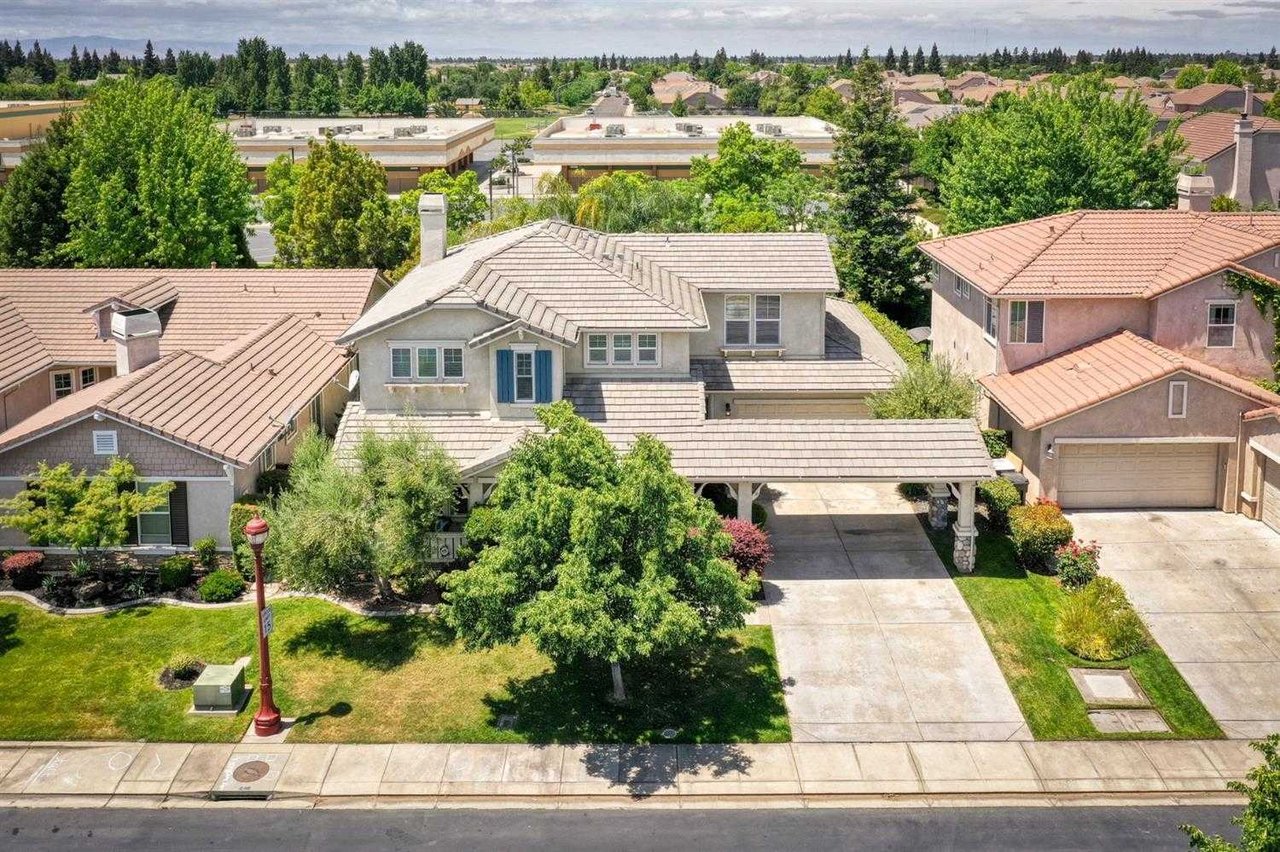

Refined Real Estate intends to make your next home purchase or sale successful and stress-free. Regardless of your goals, our team is committed to guiding you through the home buying and selling processes with honesty, integrity, and clarity.
We’re expert communicators, negotiators, and marketers, but above all, we’re down-to-earth professionals. As Bay Area natives and Central Valley residents, we know the ins and outs of every neighborhood, county, and district as only locals can. Leveraging our expert knowledge, expansive network, and the latest industry technology, we get desirable results for you every time. With many of our new clients coming from referrals and our past clients continuing to utilize our services, our results speak for themselves.
Our Tri-Valley and Mountain House Realtors work to cultivate a lifelong business relationship with you, so we ensure you know that our service goes beyond the transaction. Your calls and emails will never go unanswered, and we’ll never overpromise or underdeliver.
Stay up to date on the latest real estate trends.
The Refined Real Estate team offers unparalleled expertise to the Mountain House market, with 58 years of combined experience and over $250 million in sales. As true Mountain House real estate experts, we pride ourselves on a deep understanding of the local community and market trends. Our proven track record reflects our dedication to helping clients find not just a house, but a home. When you work with us, you’re choosing a team committed to your success and satisfaction every step of the way.