Castro Valley Home Selling Timeline, Step By Step

If you are thinking about selling in Castro Valley, timing matters more than ever. Homes here have been moving quickly, but a fast market does not mean an effortless sale. When you know what happens before listing, during the first days on market, and through escrow, you can plan with less stress and make smarter decisions. Let’s dive in.
Castro Valley is moving at a brisk pace right now. Redfin’s April 2026 data shows a median sale price of $1,149,406 and a median of 12 days on market, with many homes receiving multiple offers.
That said, not every home sells on the same schedule. Recent sales have ranged from the 20s to the 70s in days on market, which shows that pricing, condition, and presentation still shape the timeline.
For most sellers, the full process takes longer than just the days your home is active. You also need to account for prep work, disclosures, escrow, lender timelines, and final recording.
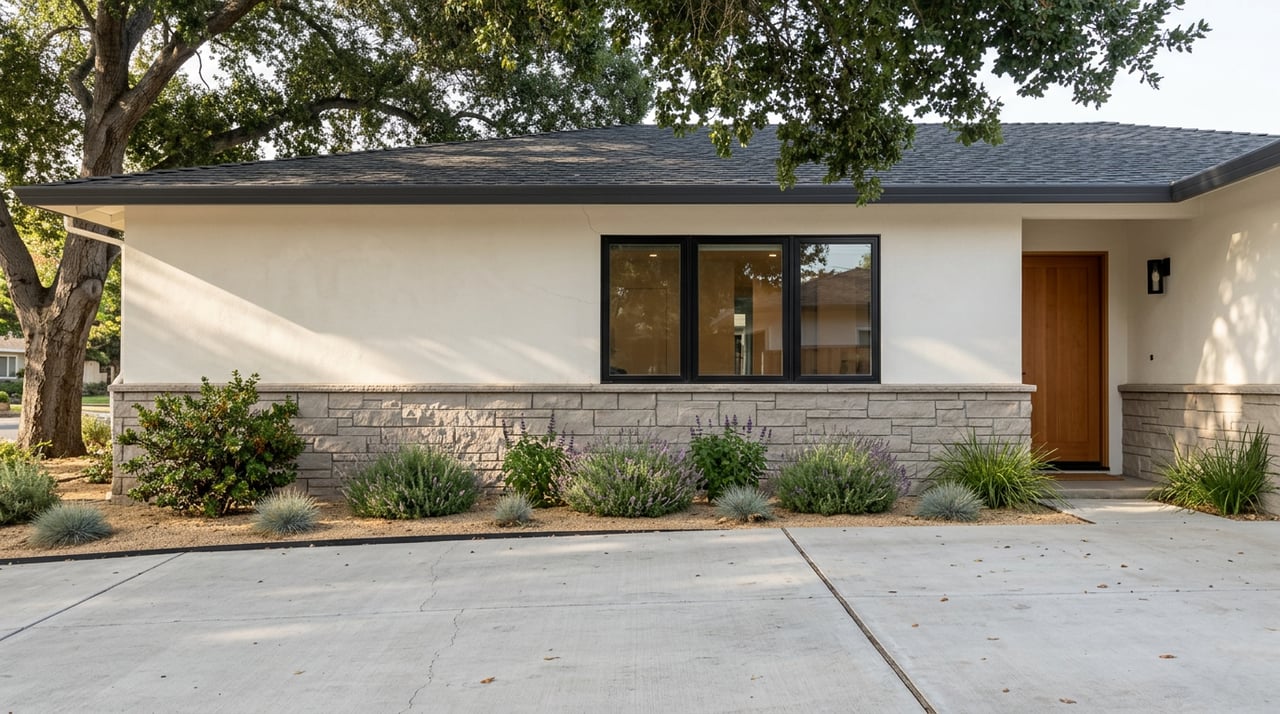
This is usually the best time to get your home market-ready. You may spend these weeks cleaning, decluttering, handling minor repairs, improving curb appeal, and preparing the home for photos and showings.
If you want a smoother launch, this is also the stage to gather manuals, warranties, and service records. Taking care of details now can help reduce surprises later, when a buyer is already involved.
A pre-sale inspection is not required, but it can be helpful. It may reveal issues before your home hits the market, which gives you more control over whether to repair them, disclose them, or price with them in mind.
In a market as active as Castro Valley, many sellers want to move quickly once they list. Finding out about a problem early can make that possible.
Pricing is one of the biggest factors in your timeline. Even in a strong seller market, a home that misses the mark on price or condition can sit longer than expected.
This is where local market knowledge matters. A smart pricing plan should reflect current Castro Valley demand, recent comparable sales, and the condition of your home.
California sellers must provide a Transfer Disclosure Statement before title transfers. The California Department of Real Estate says it should be delivered as soon as practicable, not left until the last minute.
You may also need a Natural Hazard Disclosure, which can address wildfire, earthquake fault, and seismic hazard zones. Because buyers generally have a short window to cancel after these disclosures are delivered, getting them ready early can help keep your timeline on track.
As your disclosure package comes together, this is also the right time to finalize listing photos, staging, and showing plans. A polished launch matters because the first week on market often gets the most attention.
For sellers who want maximum exposure, this stage is where preparation pays off. When your home is presented well from day one, you are better positioned to attract serious buyers quickly.
Once your home goes live, the pace can change fast. In Castro Valley, where homes are averaging 12 days on market, the first week or two can be the most important period for showings, open houses, and offers.
This is often when buyers compare your home to everything else available. Strong presentation and realistic pricing can help you make the most of that early attention.
If your home draws strong interest, you may face a quick decision window. Multiple offers can be exciting, but the strongest offer is not always just the highest price.
You also want to consider financing strength, contingencies, timing, and how likely the buyer is to close on schedule. A well-managed review process can help you choose an offer that fits both your goals and your timeline.
After you accept an offer, the transaction moves into escrow. During this phase, the buyer typically orders inspections and an appraisal, while the title company works through the preliminary title report and escrow instructions.
This is one of the most common points where a timeline can shift. If inspections uncover important issues or the appraisal comes in differently than expected, the buyer may ask for repairs, credits, or other changes.
Title companies search public records and issue a preliminary title report. In many California transactions, one company may handle both title and escrow, although local practice can vary.
For you, this means a lot of the work is happening in the background. Even when the process feels quiet, escrow is still moving through paperwork, title review, and preparation for closing.
The biggest timeline changes usually come from three areas:
If any of these issues become more complex, closing may move back. That is why it helps to go under contract with a clear understanding of your home’s condition and a realistic closing plan.
In the last few days, the buyer usually completes a final walk-through and reviews the closing package. For most financed purchases, the lender must deliver the Closing Disclosure at least three business days before closing.
If something important changes in the loan terms, that review period may restart. Even when everything else is ready, lender timing can still affect your final closing date.
After loan funds are released, the deed is recorded and the sale is completed through escrow. This is the point where ownership officially changes hands.
The final week is often paperwork-heavy, so it helps to have all agreed documents, repair receipts, and requested reports organized in advance. A little preparation here can prevent last-minute scrambling.
Because Castro Valley is an unincorporated Alameda County community, county rules are the key local reference at closing. Alameda County charges a documentary transfer tax of $0.55 per $500 of transfer value.
That is the local conveyance tax sellers in Castro Valley should generally expect, rather than a city tax that would apply in an incorporated Alameda County city.
Alameda County also charges recording-related fees. Its fee schedule includes a statewide SB2 recording fee of up to $225 per transaction, unless exempt.
These charges usually appear in the final settlement stage, not during your early listing prep. That is helpful to know as you estimate your net proceeds.
In Northern California, the buyer customarily pays the owner’s title premium, though the parties can negotiate a different split. The exact closing costs in your transaction will depend on the contract terms and the local service providers involved.
This is another reason it helps to review your expected net sheet early. Understanding customary costs can make offer comparisons easier when the time comes.
If you want a simple planning framework, here is a practical way to think about the process:
| Stage | Typical focus |
|---|---|
| 4 to 6 weeks before listing | Repairs, cleaning, decluttering, possible pre-sale inspection |
| 2 to 3 weeks before listing | Disclosures, staging, photos, pricing, launch prep |
| Listing week to first 2 weeks | Showings, open houses, offer review |
| Escrow weeks 1 to 3 | Buyer inspections, appraisal, title review, negotiation |
| Final days | Closing disclosure review, walk-through, funding, recording |
In a fast market, your active listing period may be short. Still, the full seller journey often spans several weeks from prep to recording.
You cannot control every part of a transaction, but you can reduce avoidable delays. The biggest wins usually come from preparing your home well, pricing it thoughtfully, and organizing disclosures early.
It also helps to stay responsive once you are on the market and in escrow. Quick decisions and complete documentation can keep the process moving.
A fast-moving market can make selling feel urgent, but you do not have to rush blindly. The goal is to be ready before the market pushes you into quick choices.
When your prep, pricing, and paperwork are already lined up, you are in a stronger position to handle offers confidently and move through closing with fewer surprises.
Selling a home in Castro Valley can happen quickly, but the best results usually come from careful planning before the sign goes up. If you want a clear timeline, a smart pricing strategy, and polished marketing that helps your home stand out, Refined Real Estate is here to help.

Refined Real Estate intends to make your next home purchase or sale successful and stress-free. Regardless of your goals, our team is committed to guiding you through the home buying and selling processes with honesty, integrity, and clarity.
We’re expert communicators, negotiators, and marketers, but above all, we’re down-to-earth professionals. As Bay Area natives and Central Valley residents, we know the ins and outs of every neighborhood, county, and district as only locals can. Leveraging our expert knowledge, expansive network, and the latest industry technology, we get desirable results for you every time. With many of our new clients coming from referrals and our past clients continuing to utilize our services, our results speak for themselves.
Our Tri-Valley and Mountain House Realtors work to cultivate a lifelong business relationship with you, so we ensure you know that our service goes beyond the transaction. Your calls and emails will never go unanswered, and we’ll never overpromise or underdeliver.
Stay up to date on the latest real estate trends.
The Refined Real Estate team offers unparalleled expertise to the Mountain House market, with 58 years of combined experience and over $250 million in sales. As true Mountain House real estate experts, we pride ourselves on a deep understanding of the local community and market trends. Our proven track record reflects our dedication to helping clients find not just a house, but a home. When you work with us, you’re choosing a team committed to your success and satisfaction every step of the way.