Tracy, CA Real Estate: Your Guide to Homes & Neighborhoods
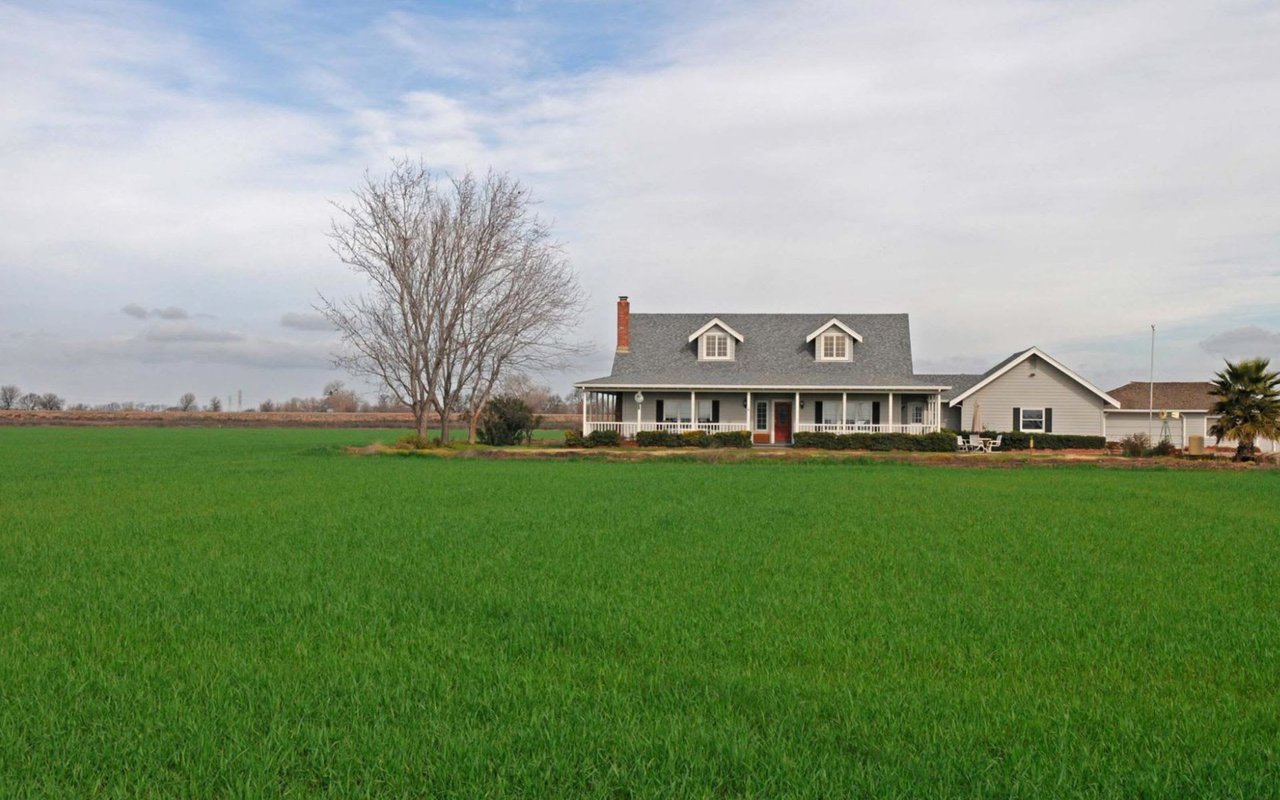
Tracy's roots trace back to the Yokuts, Native American bands who lived off the region's rivers, creeks, and game long before European settlement. The city grew up around the railroad, incorporating in 1910 and expanding quickly after the first irrigation district was established in 1915. Even as railroad operations declined in the 1950s, Tracy's agricultural economy kept it thriving — a heritage still reflected in the city seal today.
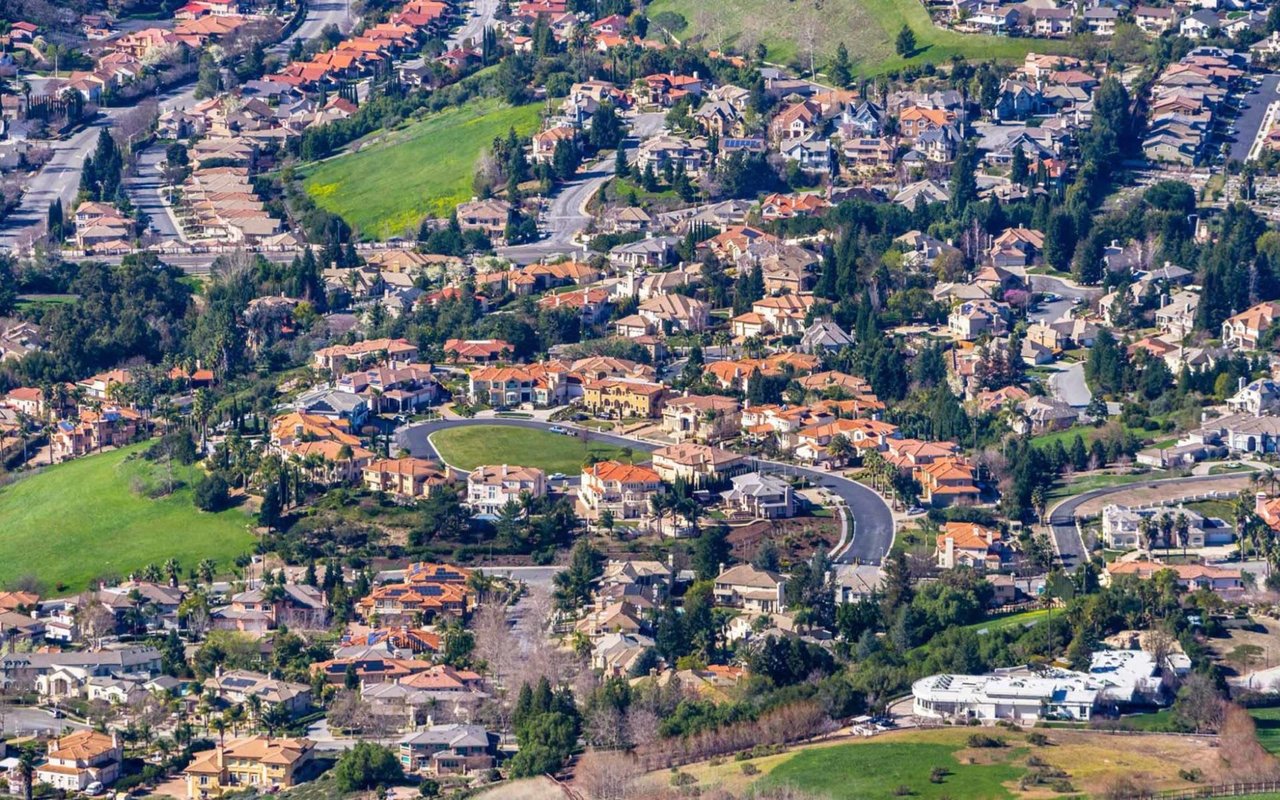
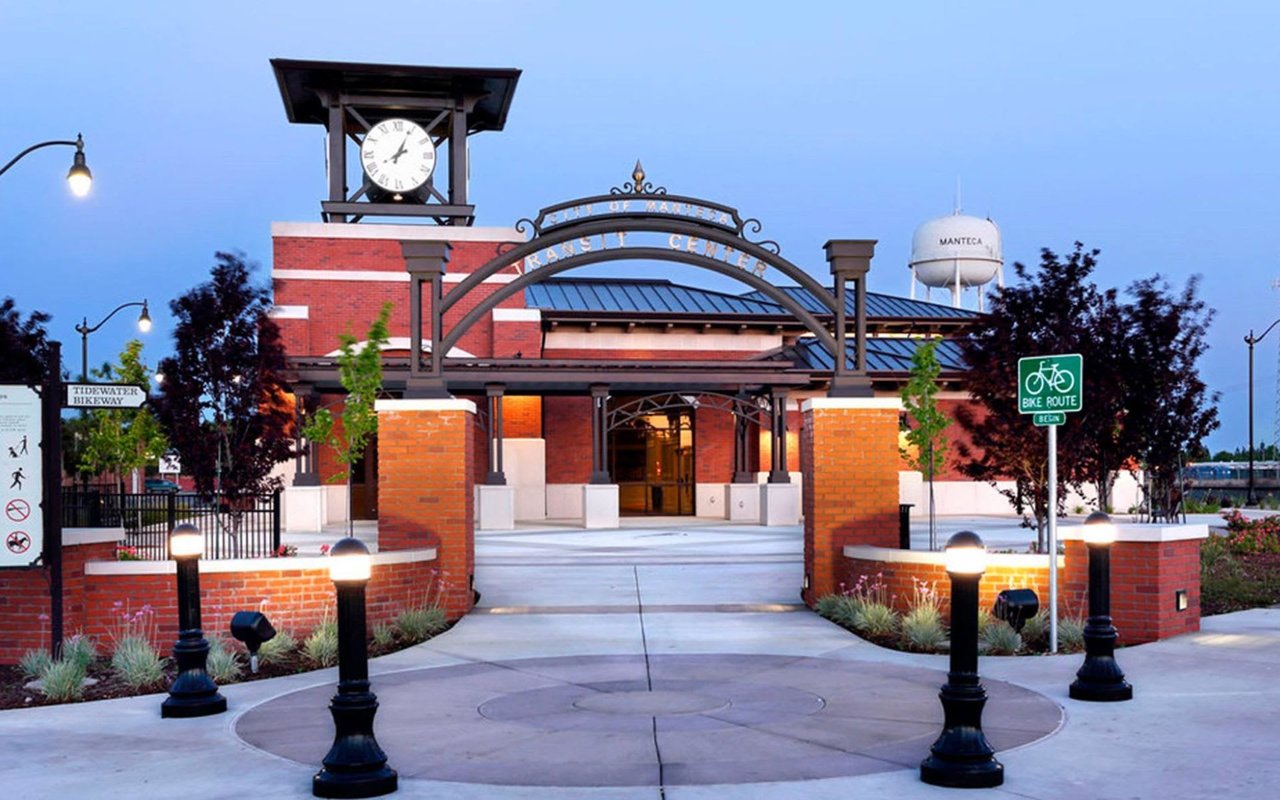
Tracy's first housing boom took shape in the 1920s and '30s, with developments like Lincoln Park, La Bonita Park, and Parker Acres laying the groundwork for the city's historic core. That same area is now Downtown Tracy, where Spanish Revival and Craftsman homes still line walkable streets near 10th Street. From those early neighborhoods, Tracy has grown into a city of over 100,000 residents and nearly 30 distinct neighborhoods, ranging from century-old blocks to brand-new master-planned communities.
Tracy offers an appealing mix of small-town roots and modern suburban growth. Its location along the I-580 and I-205 corridors makes it a practical base for commuters working in the Bay Area, Sacramento, or the Central Valley, while home prices remain more accessible than much of the greater Bay Area.
Residents benefit from top-rated schools, master-planned neighborhoods, a growing dining scene, and numerous parks. Downtown Tracy adds year-round character with the Tracy Farmers Market, local breweries, and community events, while newer developments like Tracy Hills bring planned parks, schools, and village centers built in phases.
Commuter Families
Tracy's freeway access and relative affordability make it a popular choice for families working in the Bay Area or Sacramento but wanting more space for their money.
Tech and Knowledge Workers
Tracy has an unusually high share of residents working in computer and math fields, along with a notably high telecommuting rate — a reflection of its many Bay Area-adjacent professionals working from home.
First-Time and Move-Up Buyers
From established 1970s–1990s neighborhoods to brand-new construction, Tracy offers entry points at a range of price level.
Buyers Seeking Character
Downtown Tracy's older Spanish Revival and Craftsman homes attract buyers who value walkability and history over square footage.
Retirees and Established-Neighborhood Buyers
Mature, quieter communities near parks and schools appeal to buyers looking for a settled, lower-key pace of life.
Tracy's housing stock spans decades of growth: pre-war homes downtown, 1970s–1990s subdivisions with mature trees and larger lots, and newer master-planned communities built in phases over the last 20-plus years. The citywide median sale price was around $652,000 in early 2026, though pricing varies widely by neighborhood, home age, and lot size.
Most of Tracy falls within Tracy Unified School District, though some southeast and Mountain House-adjacent areas are served by Jefferson or Lammersville Joint Unified — worth verifying before writing an offer.
Historic Downtown Homes
Older Spanish Revival and Craftsman-style homes near 10th Street, walkable to restaurants, shops, and the Farmers Market. Character and location come with the trade-off of older systems and potential updates.
Established Suburban Neighborhoods
Communities built primarily between 1970 and 1999, featuring mature landscaping, larger lots, and existing park and school infrastructure. Often better value per square foot than newer developments.
Master-Planned Communities
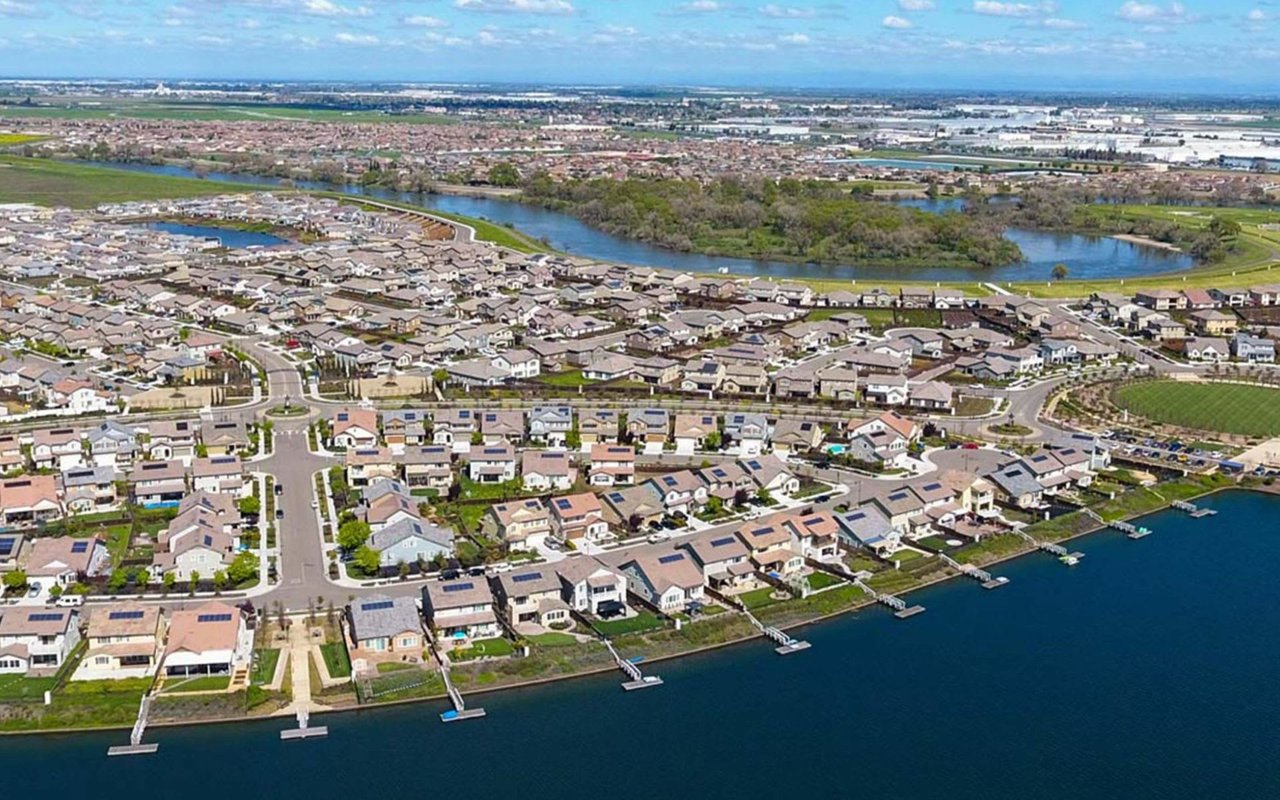
Newer neighborhoods such as Tracy Hills offer modern floor plans, planned parks, schools, and phased village centers designed for family living.
New Construction Pockets
Smaller newer-build areas near freeway access, often within walking distance of specific elementary schools, offering modern layouts and spacious backyards.
Larger-Lot Suburban Homes
Neighborhoods like Glenbriar Estates offer larger parcels — often in the 6,000 to 9,000-plus square foot range — with mature landscaping from the late 1990s era.
What is the average home price in Tracy, CA?
The citywide median sale price was around $652,000 in early 2026, though pricing varies by neighborhood, home age, lot size, and proximity to freeways or schools.
What makes Tracy different from other Central Valley cities?
Tracy combines an agricultural and railroad history with strong freeway access to the Bay Area, Sacramento, and Central Valley, plus a high share of remote and tech workers relative to other cities its size.
What are the schools like in Tracy?
Most of the city is served by Tracy Unified School District, which carries a B+ rating and serves about 16,000 students. Some southeast and Mountain House-adjacent neighborhoods fall under Jefferson or Lammersville Joint Unified, so it's worth confirming school boundaries for a specific address.
How do residents commute from Tracy?
Tracy sits along the I-580 and I-205 corridors, giving residents direct routes to the Bay Area, Sacramento, and the Central Valley.
What neighborhoods should buyers know about in Tracy?
Options range from historic Downtown Tracy to established communities like Glenbriar Estates to newer master-planned areas such as Tracy Hills, each offering a different balance of price, age, and amenities.
Why do people choose to live in Tracy?
Tracy pairs relative affordability, strong schools, and a mix of historic and modern housing with convenient access to major Bay Area and Central Valley employment centers — making it a practical choice for commuters and families alike.
95,358 people live in Tracy, where the median age is 35.2 and the average individual income is $42,884. Data provided by the U.S. Census Bureau.
Total Population
Median Age
Population Density Population Density This is the number of people per square mile in a neighborhood.
Average individual Income
Tracy has 27,943 households, with an average household size of 3.4. Data provided by the U.S. Census Bureau. Here’s what the people living in Tracy do for work — and how long it takes them to get there. Data provided by the U.S. Census Bureau. 95,358 people call Tracy home. The population density is 3,644 and the largest age group is Data provided by the U.S. Census Bureau.
Total Population
Population Density Population Density This is the number of people per square mile in a neighborhood.
Median Age
Men vs Women
Population by Age Group
0-9 Years
10-17 Years
18-24 Years
25-64 Years
65-74 Years
75+ Years
Education Level
Total Households
Average Household Size
Average individual Income
Households with Children
With Children:
Without Children:
Marital Status
Blue vs White Collar Workers
Blue Collar:
White Collar:
There's plenty to do around Tracy, including shopping, dining, nightlife, parks, and more. Data provided by Walk Score and Yelp.
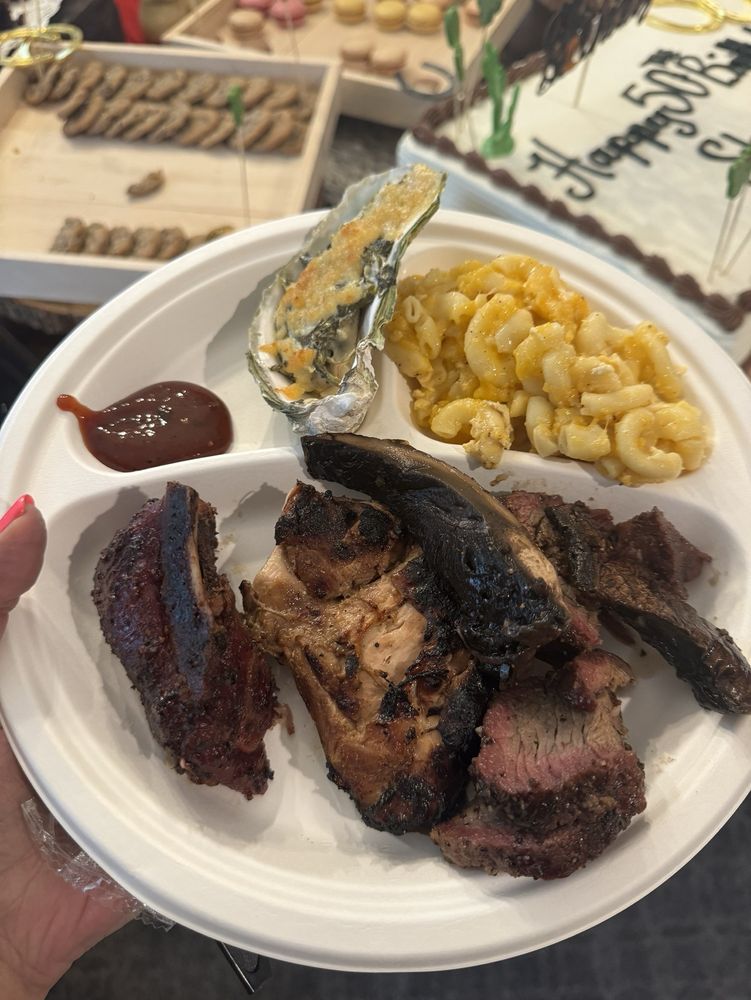
Explore popular things to do in the area, including Kona Ice of South San Joaquin County, Taste Buds BBQ, and Dunkin'.
| Name | Category | Distance | Reviews |
Ratings by
Yelp
|
|---|---|---|---|---|
| Dining | 0.73 miles | 9 reviews | 4.4/5 stars | |
| Dining | 0.77 miles | 13 reviews | 4.9/5 stars | |
| Dining · $ | 0.81 miles | 394 reviews | 2.3/5 stars | |
| Dining | 0.84 miles | 17 reviews | 1.9/5 stars | |
| Dining | 0.91 miles | 1 review | 1/5 stars | |
| Dining · $ | 0.91 miles | 75 reviews | 4.1/5 stars | |
| Dining · $ | 0.96 miles | 6 reviews | 5/5 stars | |
| Shopping | 0.75 miles | 1 review | 3/5 stars | |
| Shopping | 0.93 miles | 1 review | 3/5 stars | |
| Active | 0.35 miles | 0 reviews | 0/5 stars | |
| Active | 0.55 miles | 1 review | 5/5 stars | |
| Active | 0.59 miles | 1 review | 3/5 stars | |
| Active | 0.64 miles | 0 reviews | 0/5 stars | |
| Active | 0.77 miles | 0 reviews | 0/5 stars | |
| Active | 0.89 miles | 2 reviews | 3/5 stars | |
| Active | 0.93 miles | 0 reviews | 0/5 stars | |
| Active | 0.97 miles | 4 reviews | 3/5 stars | |
| Beauty | 0.75 miles | 90 reviews | 2.8/5 stars | |
| Beauty | 0.86 miles | 0 reviews | 0/5 stars | |
| Beauty | 0.89 miles | 0 reviews | 0/5 stars | |
| Beauty | 0.93 miles | 0 reviews | 0/5 stars | |
| Beauty | 0.94 miles | 191 reviews | 3.8/5 stars | |
| Beauty | 0.96 miles | 20 reviews | 3.8/5 stars | |
| Beauty | 0.98 miles | 41 reviews | 3.8/5 stars | |
|
|
||||
|
|
||||
|
|
||||
|
|
||||
|
|
||||
|
|
The Refined Real Estate team offers unparalleled expertise to the Mountain House market, with 58 years of combined experience and over $250 million in sales. As true Mountain House real estate experts, we pride ourselves on a deep understanding of the local community and market trends. Our proven track record reflects our dedication to helping clients find not just a house, but a home. When you work with us, you’re choosing a team committed to your success and satisfaction every step of the way.